SAEDNEWS: Mysophobia, or the fear of germs, is an anxiety disorder characterized by an intense fear of contamination and compulsive behaviors. In this article, we explore its causes, symptoms, and available treatment options.

According to Saednews, In today’s world, hygiene and cleanliness have become important concerns for many people. We all try to keep our surroundings clean and protect ourselves from illness. However, when these concerns go beyond normal hygiene habits, they can sometimes develop into a psychological disorder.
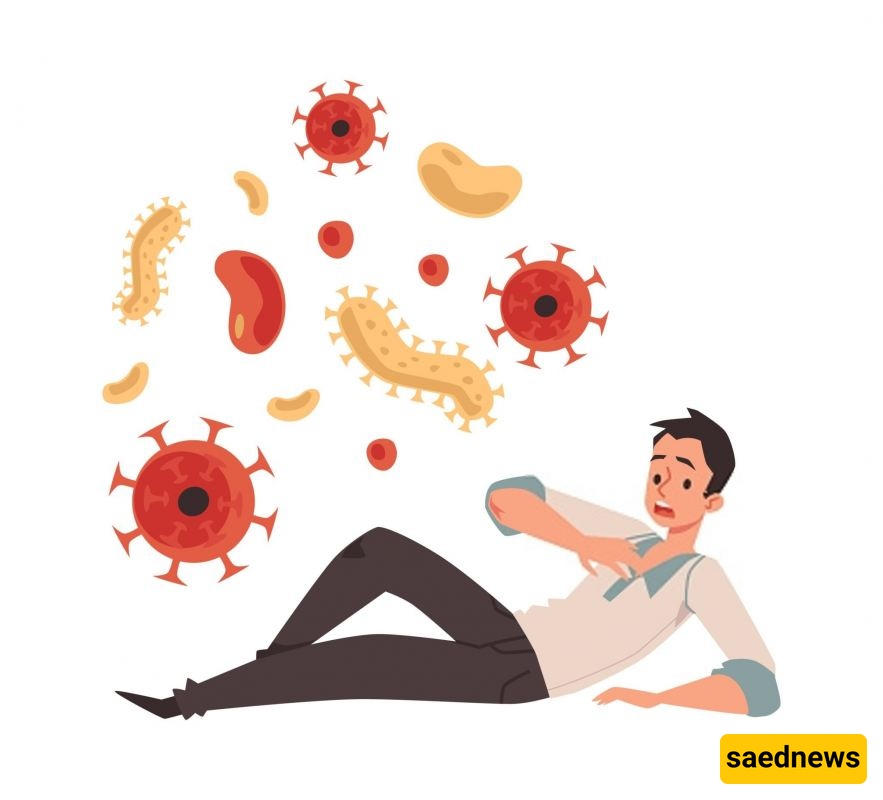
Mysophobia, also known as the fear of germs, contamination, or dirt, is a specific phobia in which a person experiences an intense, persistent, and often unreasonable fear of germs, bacteria, viruses, contamination, or unclean environments. In severe cases, this fear can significantly affect a person’s quality of life and make everyday activities difficult.
This article explores mysophobia in detail, including its possible causes, symptoms, diagnosis, and available treatment approaches.

Mysophobia is a term derived from two Greek words: “Mysos,” meaning contamination or impurity, and “Phobos,” meaning fear. The term was first used in the 19th century by American neurologist William Hammond to describe a pathological fear of contamination.
Today, mysophobia is generally understood as a specific phobia associated with intense anxiety about exposure to germs, microorganisms, viruses, and contamination.
Mysophobia is sometimes confused with obsessive-compulsive disorder (OCD) because the two conditions can involve similar behaviors. However, they are not exactly the same.
For example, a person with OCD may repeatedly wash their hands to reduce anxiety caused by intrusive or unwanted thoughts. In mysophobia, the central issue is the fear of germs or contamination, while behaviors such as repeated handwashing may develop as a response to that fear.
In some cases, fear of contamination can occur as part of OCD, but not everyone who experiences mysophobia necessarily has OCD.
As with many mental health conditions, the exact cause of mysophobia is not fully understood. Research suggests that a combination of genetic, biological, psychological, and environmental factors may contribute to its development.
People with a family history of anxiety disorders or phobias may have a greater vulnerability to developing mysophobia. Genetic predisposition may make some individuals more sensitive to anxiety and fear-related responses.
A particularly unpleasant or frightening experience involving illness or contamination may trigger a fear of germs. For example, someone might develop an intense fear after experiencing severe food poisoning, contracting a serious infectious disease, or witnessing a distressing event associated with contamination.
Childhood experiences and parenting styles may also influence the development of contamination-related fears. Parents who place an extreme emphasis on cleanliness or frequently warn children about germs and disease may unintentionally contribute to heightened fears surrounding contamination.
Changes in the brain’s chemical signaling systems, including serotonin-related processes, have been associated with anxiety disorders and phobias. Increased activity in brain regions involved in processing fear and anxiety, such as the amygdala, may also play a role.
Constant exposure to information about infectious diseases, outbreaks, new viruses, and health risks may increase anxiety in some individuals. People who are already psychologically vulnerable may become particularly concerned when they are repeatedly exposed to warnings about contamination and illness.
The COVID-19 pandemic, for example, brought unprecedented attention to infection and hygiene and was associated with increased concerns about contamination in many people.

The symptoms of mysophobia can generally be grouped into behavioral symptoms, emotional and psychological symptoms, and physical symptoms.
Frequent handwashing:
A person may wash their hands dozens of times a day, sometimes to the point of causing dryness, irritation, or damage to the skin.
Avoiding physical contact:
They may avoid shaking hands, hugging, or other forms of physical contact because of concerns about catching or spreading germs.
Excessive use of disinfectants:
Some people may constantly carry disinfectant products and repeatedly use them on their hands or surrounding surfaces.
Avoiding public places:
A person may avoid hospitals, public transportation, restaurants, public restrooms, workplaces, schools, or other places they perceive as contaminated.
Excessive household cleaning:
They may repeatedly clean and disinfect surfaces, door handles, switches, personal belongings, and other objects.
Ritualized behaviors:
Some individuals develop specific routines for everyday activities, such as opening doors in a particular way, using tissues to touch objects, or wearing gloves and masks in situations where they are not normally necessary.

Intense anxiety and fear:
The person may experience increasing fear when faced with situations they believe could expose them to contamination.
Strong feelings of disgust:
Objects, people, or places perceived as dirty or contaminated may trigger intense disgust.
Panic attacks:
In severe cases, exposure to a feared situation may trigger a panic attack accompanied by symptoms such as a racing heart, shortness of breath, sweating, trembling, and a feeling that something terrible is about to happen.
Persistent contamination-related thoughts:
The person may spend a significant amount of time thinking about germs, contamination, infection, or illness.
Shame and guilt:
Some individuals may feel embarrassed or guilty about their behaviors while still finding them difficult to control.
Physical symptoms may include:
Rapid heartbeat or palpitations
Excessive sweating
Trembling or shaking
Shortness of breath or a sensation of suffocation
Nausea and digestive problems
Dizziness or lightheadedness
Dry mouth
Mysophobia is typically evaluated by a mental health professional, such as a psychiatrist or clinical psychologist.
The assessment may include several steps.
The professional may ask about the person’s medical and psychological history, symptoms, their severity, how long they have been present, and how much they interfere with everyday life.
A clinician may use the Diagnostic and Statistical Manual of Mental Disorders (DSM-5) when assessing whether the symptoms meet the criteria for a specific phobia.
Important features may include intense and persistent fear or anxiety related to a particular object or situation, an immediate fear response, active avoidance, and significant interference with social, occupational, or other important areas of life.
The clinician may also determine whether the symptoms are better explained by another condition, such as OCD, generalized anxiety disorder, panic disorder, or body dysmorphic disorder.
The good news is that mysophobia can be treated. Several approaches may help people reduce their fear, manage anxiety, and regain greater control over their daily lives.
Cognitive behavioral therapy is commonly used to treat phobias, including contamination-related fears. CBT helps individuals recognize unhelpful or unrealistic thought patterns and develop more balanced ways of thinking.
It can also teach practical behavioral skills for responding to anxiety without relying on excessive avoidance or compulsive behaviors.
Exposure therapy is an important technique used in the treatment of many phobias. Under the guidance of a qualified therapist, a person is gradually and safely exposed to feared situations.
For example, treatment may begin with a relatively manageable situation, such as touching a door handle, and gradually progress toward more challenging situations. The goal is to help the person become less sensitive to the feared trigger and learn that anxiety can decrease without relying on avoidance or excessive cleaning.
Exposure exercises should generally be planned and guided by a trained professional, particularly when symptoms are severe.
ACT focuses on helping people accept uncomfortable thoughts and feelings rather than constantly trying to eliminate or control them. At the same time, it encourages individuals to take meaningful actions based on their personal values.
Medication may sometimes be considered when symptoms are severe, significantly interfere with daily functioning, or occur alongside other mental health problems.
Medication does not directly eliminate mysophobia, but certain medicines may help reduce anxiety or depressive symptoms.
Depending on the individual’s circumstances, a healthcare professional may consider medications such as:
Selective serotonin reuptake inhibitors (SSRIs): including fluoxetine, sertraline, and paroxetine.
Serotonin-norepinephrine reuptake inhibitors (SNRIs): such as venlafaxine.
Benzodiazepines: including alprazolam and clonazepam. These medications are generally used cautiously and, when appropriate, for short periods because they can lead to dependence.
Medication decisions should always be made with a qualified healthcare professional.
Several habits may complement professional treatment and help manage overall anxiety.
Relaxation techniques:
Deep breathing exercises, meditation, and mindfulness may help reduce general levels of anxiety.
Regular physical activity:
Exercise can support emotional well-being and help reduce stress.
Adequate sleep:
Insufficient sleep can make anxiety more difficult to manage. Maintaining a consistent sleep schedule may be beneficial.
Reducing caffeine and other stimulants:
Caffeine can increase feelings such as nervousness, restlessness, and anxiety in some people.
Support groups:
Talking with people who have experienced similar difficulties can provide emotional support and help reduce feelings of isolation.
Mysophobia, or an intense fear of germs and contamination, can go far beyond ordinary concerns about cleanliness. When the fear becomes persistent and begins interfering with relationships, work, school, or everyday activities, professional support may be appropriate.
Although mysophobia can be challenging, it is a treatable condition. Approaches such as cognitive behavioral therapy and exposure-based treatment can help many people better manage contamination-related fears. Medication may also have a role in certain circumstances, particularly when anxiety or other symptoms are significant.
If you or someone close to you is experiencing symptoms of mysophobia that interfere with daily life, seeking help from a qualified mental health professional can be an important step. Recognizing the problem and seeking appropriate support are often the first steps toward improving quality of life.