SAEDNEWS: A desk may look tidy but still contain distractions that reduce concentration. Too many visible objects, notifications, cables, and decorations can increase mental load and make it harder to stay focused.
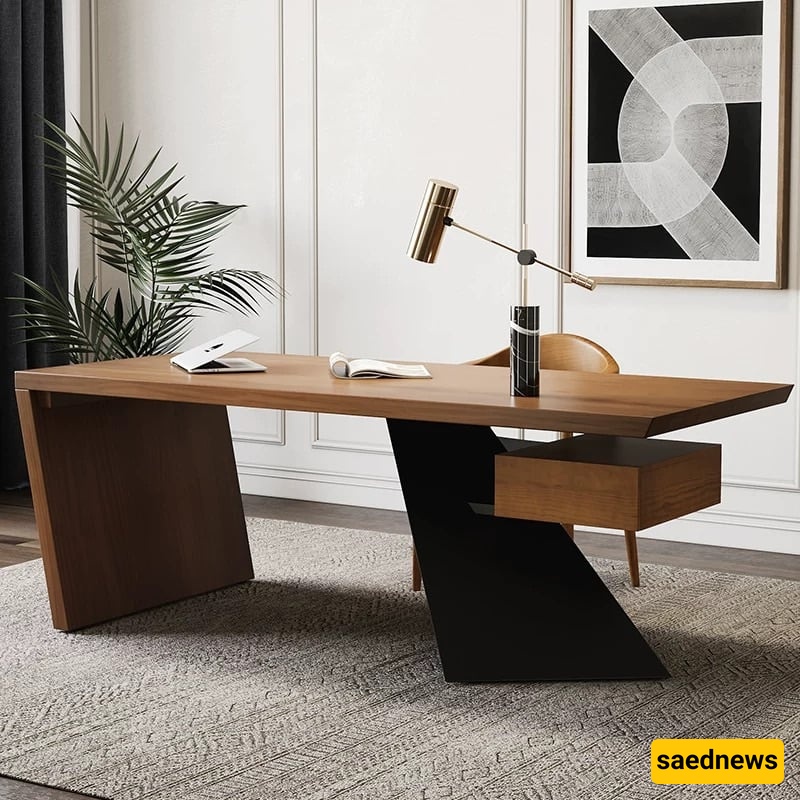
According to SAEDNEWS, a tidy desk does not always mean a distraction-free workspace. Some desks appear perfectly organized because everything has a designated place, yet the number of visible objects can still demand attention. Even small items within the field of vision may encourage the brain to shift focus, especially during tasks that require sustained concentration.
A desk may be neatly arranged but still contain notebooks, stationery, containers, papers, and electronic accessories that compete for visual attention. Each item may be organized, but together they create a visually busy environment. Reducing the number of objects that remain in direct view can make the workspace feel calmer and help the eyes stay focused on the task.
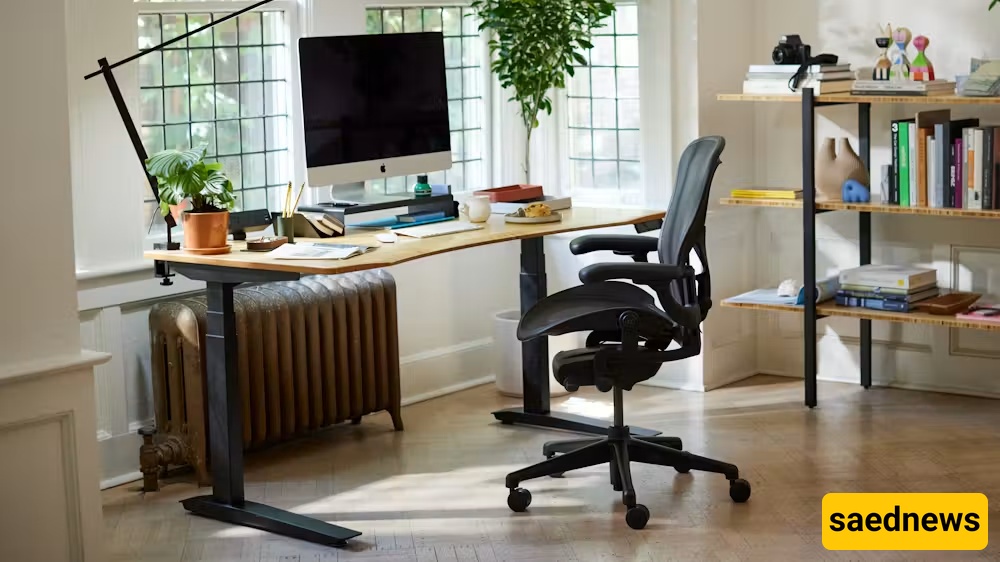
A phone or computer can become a distraction even when it is placed neatly on the desk. Notification lights, message previews, or frequently changing screens can trigger brief attention shifts. These interruptions may seem insignificant, but repeatedly moving attention away from a task can make it harder to maintain a steady rhythm of work.
Keeping everything within arm's reach can make a desk look efficient, but convenience can sometimes encourage unnecessary interruptions. Snacks, personal devices, extra stationery, or unrelated reading materials may invite frequent reaching and checking. Items that are not needed for the current task can be stored nearby but outside the immediate workspace.
An effective desk does not have to be completely empty. The goal is to keep only the tools needed for the current activity within easy view. A computer, notebook, pen, and essential materials may be enough for many tasks. Organizing the remaining items in drawers, shelves, or containers can reduce visual stimulation while keeping the workspace practical.
Creating a focused workspace often requires removing distractions rather than simply organizing them. Turning off unnecessary notifications, hiding unused objects, managing cables, and keeping the central work area clear can gradually improve concentration. A desk that looks simple and feels visually calm may provide better conditions for sustained attention.