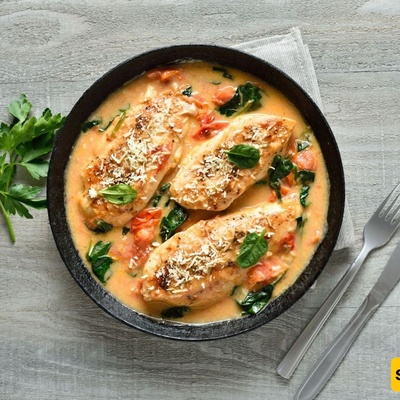
SAEDNEWS: Bombay Chicken Korma is one of the most aromatic Indian curries. In this article, you’ll find the complete recipe for this popular dish, along with the required ingredients and essential tips.
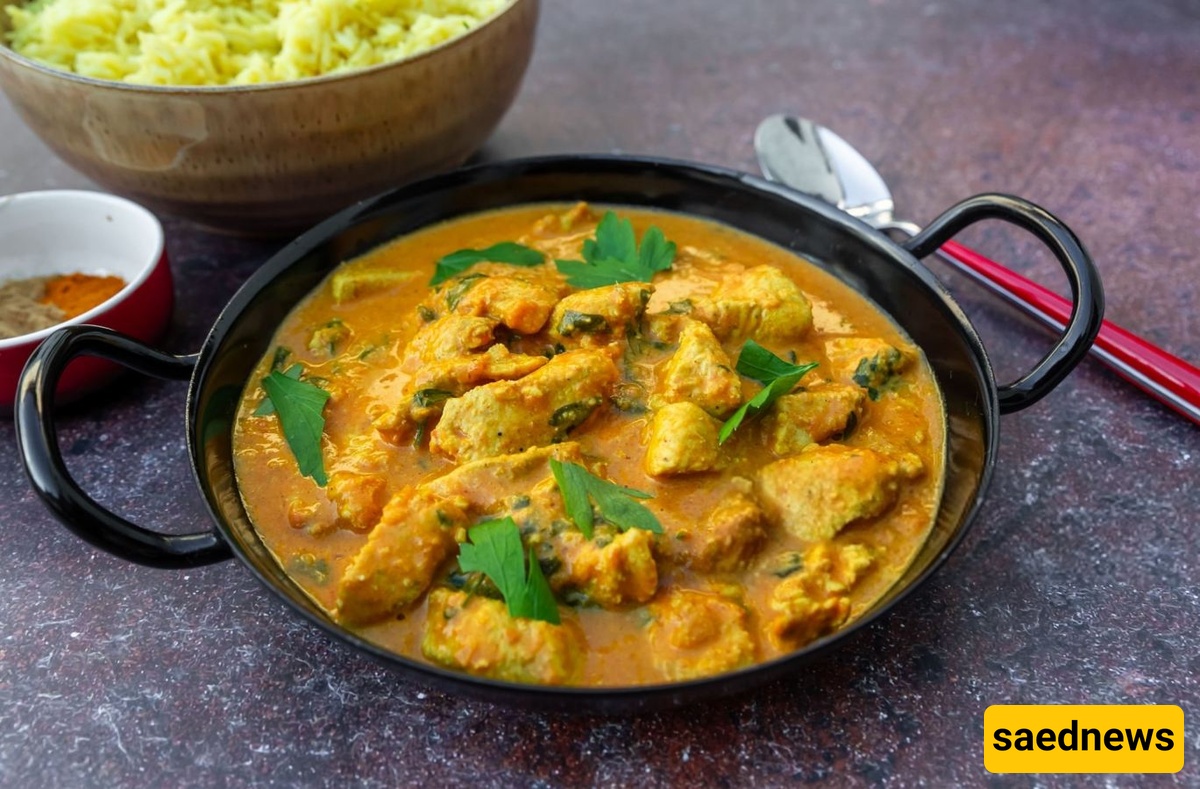
According to Saednews, Bombay-style chicken korma is one of the most famous and aromatic Indian dishes, made with a wonderful combination of warm spices, a velvety sauce, and tender pieces of chicken.
Originally associated with the city of Bombay, now known as Mumbai, this dish is enjoyed in Indian restaurants and home kitchens around the world. Its rich flavor and creamy texture have made it a favorite among Indian food lovers.
If you are looking for a detailed and reliable recipe for making Bombay-style chicken korma at home, this step-by-step guide covers everything from preparing the chicken to creating the perfect creamy sauce.
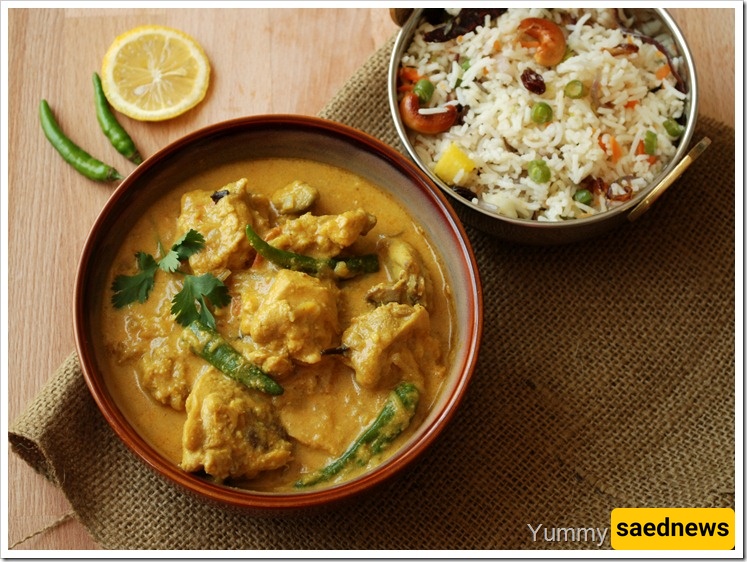
Bombay-style chicken korma is a type of Indian curry in which chicken is cooked in a rich sauce made with caramelized onions, tomatoes, yogurt, and cream. Contrary to what many people assume, this dish does not have to be extremely spicy. Instead, it has a warm, balanced, mildly creamy flavor.
Spices such as garam masala, cumin, coriander, turmeric, cardamom, and cinnamon give the curry its distinctive aroma and depth of flavor.
One of the defining characteristics of this dish is its smooth, velvety sauce. It pairs beautifully with basmati rice, Indian bread, garlic naan, or even Persian-style rice. This makes it an excellent choice for both family meals and gatherings.
This recipe serves 4 people.
800 g boneless chicken, preferably thighs or breast
3 large onions
3 ripe tomatoes
3 tablespoons full-fat yogurt
100 g cooking cream
2 tablespoons fresh lemon juice
1 teaspoon garam masala
1 teaspoon ground cumin
2 teaspoons ground coriander
1 teaspoon turmeric
½ teaspoon red chili powder
1 tablespoon freshly grated ginger
4 cloves garlic, grated or minced
½ teaspoon ground cardamom
½ teaspoon ground cinnamon
Salt, to taste

2 curry leaves or bay leaves
Fresh chopped cilantro, for garnish
Ghee or vegetable oil, as needed
Cut the chicken into medium-sized pieces. Combine it with salt, turmeric, a little red chili powder, and lemon juice.
Cover and refrigerate for at least 30 minutes. This allows the spices and lemon juice to penetrate the chicken and adds more flavor to the finished dish.
Heat some oil or ghee in a large pot. Add the sliced onions and cook over medium heat until they become golden brown and then lightly caramelized.
Be patient during this step. Properly caramelized onions form an important part of the flavor base. Undercooked onions can leave the curry with a raw and unpleasant taste.
Add the grated ginger and garlic to the caramelized onions. Sauté for about 1 minute, just until their aroma is released.
Be careful not to burn them, as burnt garlic or ginger can make the entire curry taste bitter.
Add the cumin, coriander, garam masala, cardamom, cinnamon, and the remaining spices.
Stir and cook for approximately 30 seconds.
This process, often called blooming the spices, helps release their essential oils and intensifies their aroma and flavor.
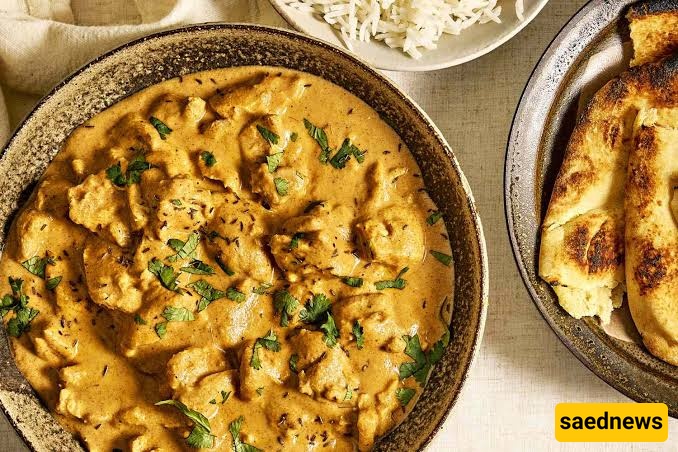
Add the grated or finely chopped tomatoes to the pot.
Cook over low to medium heat for about 10 minutes, stirring occasionally, until the mixture thickens and the oil begins to separate from the sauce.
At this point, the sauce should develop an attractive orange-red color.
Add the marinated chicken pieces to the sauce and stir well so that every piece is coated.
Cook over medium heat for approximately 10 minutes, allowing the chicken to develop some color and lightly brown.
Whisk the yogurt briefly until smooth.
Reduce the heat to low and gradually add the yogurt to the pot. Pour in about 1 cup of warm water and cover the pot.
Let the curry simmer gently for 30–40 minutes, or until the chicken is fully cooked and the sauce has thickened.
Avoid vigorous or constant stirring after adding the yogurt, as this can cause it to split.
During the final 5 minutes of cooking, add the cream and stir gently.
The cream gives the curry a smooth, velvety consistency and a mild, rich flavor.
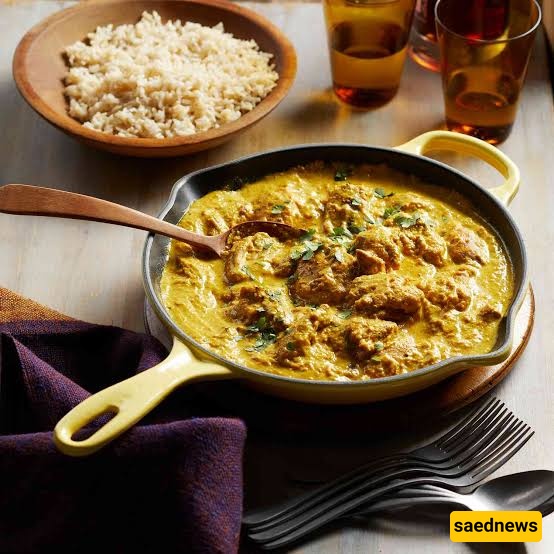
Garnish with freshly chopped cilantro and serve with basmati rice, Indian bread, or naan.
1. Use fresh spices.
Old spices gradually lose their aroma and can make the curry taste flat.
2. Properly caramelize the onions.
This takes some time, but it creates a much deeper and richer flavor.
3. Adjust the heat level.
Reduce the red chili powder if you prefer a mild curry. For more heat, add fresh chili peppers.
4. Avoid overcooking the chicken.
Cooking chicken for too long can make it dry. Chicken thighs are particularly suitable because their natural fat helps keep the meat tender.
5. Bring the yogurt closer to room temperature.
Very cold yogurt is more likely to split when added to a hot sauce.
6. Keep the heat moderate.
High heat can cause the sauce to burn and develop a bitter flavor.
Bombay-style chicken korma can be served with a variety of side dishes. Popular choices include:
Basmati rice
Naan or other Indian flatbreads
Saffron rice
Garlic and cheese naan
Persian-style rice with butter
Serving the curry with Persian rice and a little saffron creates a delicious combination that is particularly well suited to Persian tastes.
Not cooking the onions enough: Undercooked onions can leave a raw flavor.
Adding spices to extremely hot oil: This can burn the spices and make them bitter.
Stirring the yogurt too aggressively: Add it gently and keep the heat low.
Making the sauce too thick or too little: The curry should have enough sauce to mix comfortably with rice or bread.
Using very cold chicken: Allow the chicken to come closer to room temperature before cooking.
This curry provides a good amount of protein from the chicken. Spices such as turmeric, ginger, and garlic contain compounds with antioxidant and anti-inflammatory properties, while tomatoes provide lycopene.
However, because the recipe contains cream, ghee, and oil, it can be relatively high in calories.
For a balanced meal, serve it alongside plenty of vegetables and keep portion sizes in mind.

Yes. The curry can be stored in the freezer for up to 2 months.
Allow it to cool completely before transferring it to an airtight, freezer-safe container. When ready to eat, thaw it in the refrigerator or microwave and reheat gently over low heat.
To reduce the heat, decrease the amount of red chili powder or add a little more cream.
For a spicier curry, add fresh chili peppers, ground black pepper, or a suitable Indian hot sauce.
Yes, although the final flavor and texture will be slightly different.
Yogurt gives the curry a tangier flavor, while cream creates a smoother and richer texture. For the best balance, using both yogurt and cream works particularly well.
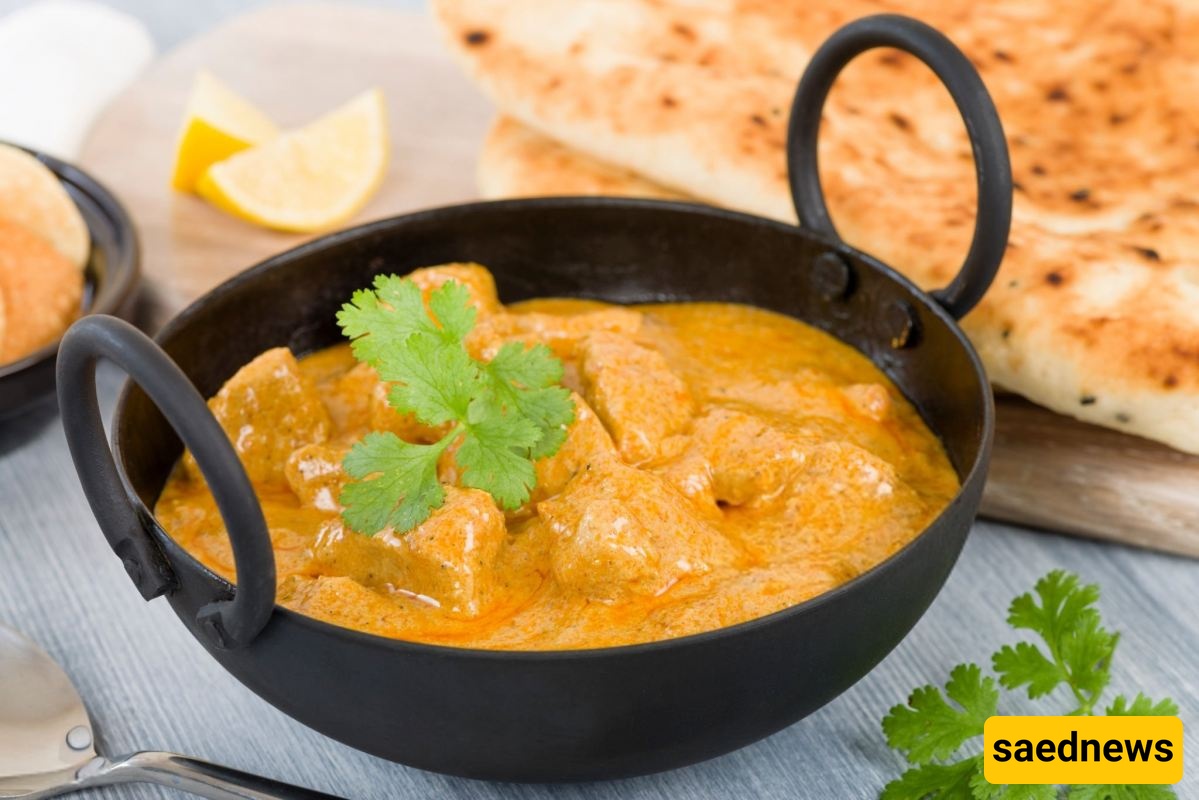
Making Bombay-style chicken korma at home can be both simple and rewarding when you follow a few basic principles of Indian cooking.
Fresh spices, patiently caramelized onions, properly cooked chicken, and the right balance of yogurt and cream are the keys to creating a rich, aromatic curry with a smooth and satisfying sauce.
This dish is suitable not only for everyday family meals but also for dinner parties and special gatherings. Serve it with basmati rice, naan, or saffron rice for a comforting and flavorful Indian-inspired meal.
Enjoy your homemade chicken korma!