SAEDNEWS: Hazelnut trees may fail to produce an optimal yield for various reasons, including the tree’s age, inadequate pollination, improper pruning, nutrient deficiencies, unfavorable weather conditions, pests, and diseases.
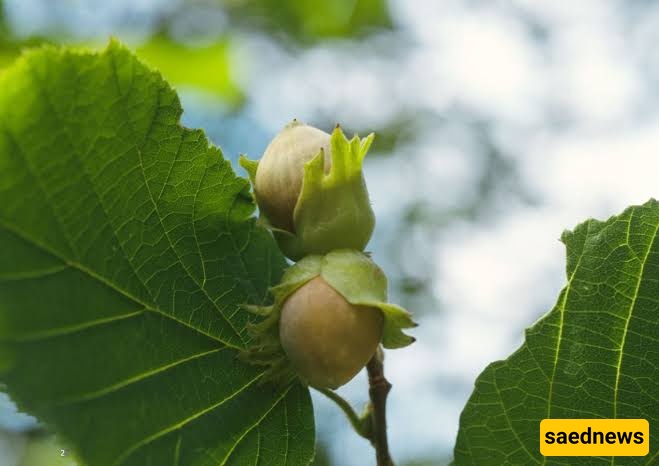
According to Saednews, A hazelnut tree may fail to produce a good crop for several reasons, including the tree’s age, inadequate pollination, improper pruning, nutrient deficiencies, unfavorable weather conditions, pests and diseases, insufficient sunlight, unsuitable soil, and poor drainage. If your hazelnut tree is not producing well, one or a combination of these factors may be preventing proper fruit production.
Hazelnut trees produce little or no fruit before reaching maturity. During their peak productive years, however, they can provide an excellent yield when properly maintained. As a tree becomes older, its productivity gradually declines, and it may require specialized care or eventual replacement.
During the first 3 to 5 years, a hazelnut tree directs most of its energy toward vegetative growth and usually produces little fruit. Under unfavorable conditions, this period may extend to around 7 years.
Hazelnut trees generally reach their strongest production during maturity, with particularly good yields often developing from around the eighth to twelfth year. At this stage, proper nutrition, correct pruning, and effective pest management are essential for maintaining high productivity.
After about 20 years, a hazelnut tree's productive capacity may begin to decline. Deterioration of the root system and reduced nutrient uptake can lead to less flowering and lower yields. To maintain production, growers can use rejuvenation pruning and proper fertilization, or gradually replace older trees with new seedlings.
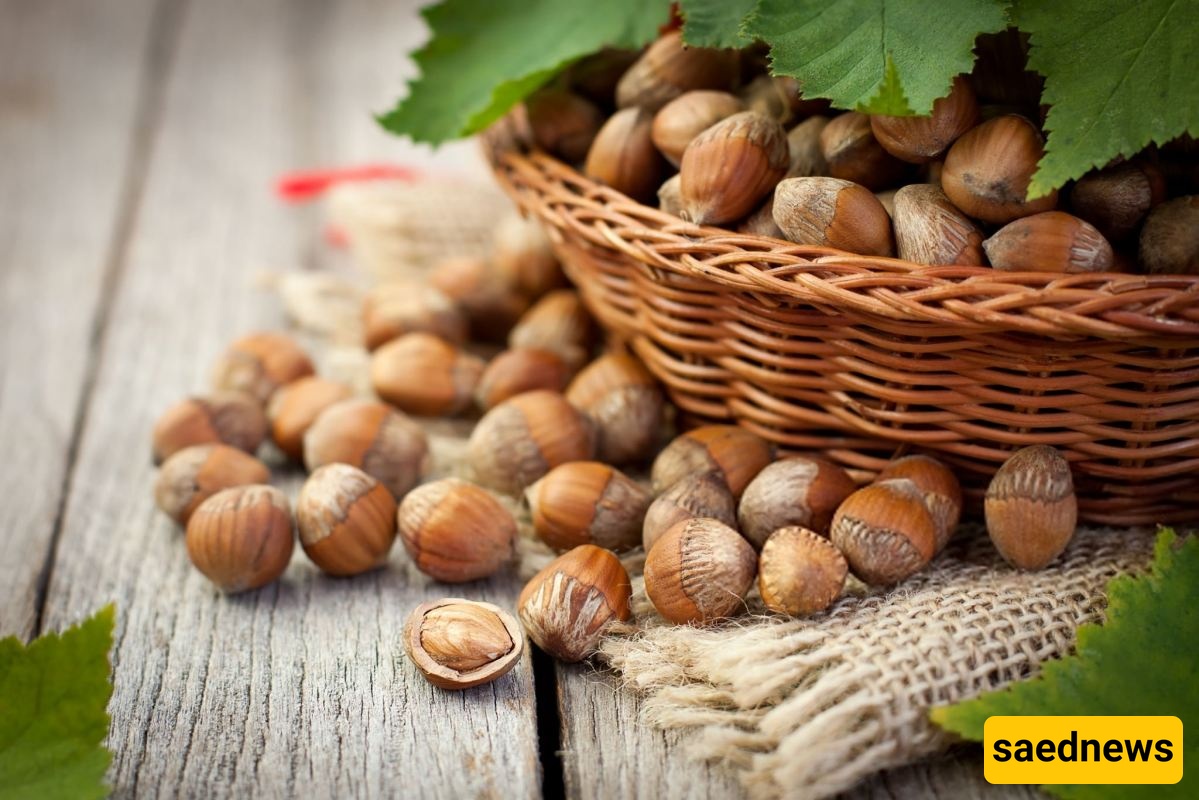
Pollination is one of the most important factors in hazelnut production. If pollination does not occur properly, fertilization of the female flowers may fail, resulting in little or no nut production. Hazelnut trees have specific pollination characteristics that need to be considered when planning an orchard.
Having only one productive hazelnut tree can greatly reduce the chances of successful pollination and may result in very low yields or no crop at all. Hazelnuts are generally self-incompatible, meaning pollen from the male flowers of a tree cannot effectively fertilize its own female flowers.
For reliable production, several compatible hazelnut cultivars should therefore be planted together to allow effective cross-pollination.
Instead of planting only one hazelnut cultivar, growers should use several compatible pollinizing cultivars whose flowering periods overlap. When selecting these cultivars, factors such as climate suitability, pest resistance, and productivity should be considered.
Pollinizer trees should also be positioned at suitable distances from the main producing trees so that wind can effectively distribute pollen throughout the orchard.
Environmental conditions can also interfere with pollination. A late spring, heavy rainfall, unfavorable winds, or a lack of suitable pollination conditions can reduce pollination success.
Hazelnut pollen is primarily carried by wind. Obstacles such as tall trees, buildings, or large structures can interfere with air movement and reduce pollen distribution. In areas with weak natural airflow, growers may be able to improve pollination by strategically planting pollinizer trees.
Selecting planting material that is well suited to the local climate is extremely important. Some hazelnut cultivars perform better in specific environmental conditions.
If a cultivar is poorly adapted to the local climate, its flowering period may not coincide with that of the pollinizing cultivars. As a result, effective cross-pollination may not occur.
Nutrient deficiencies, particularly deficiencies of boron and zinc, can reduce pollen quality and interfere with fruit formation.
Poorly drained soils and unsuitable soil pH can also restrict tree growth and pollen production. Proper soil management and adequate nutrition for both productive and pollinizer trees can have a direct impact on successful pollination.
How Improper Pruning Can Reduce Hazelnut Production
Pruning is an important part of hazelnut tree management. Proper pruning can improve productivity, maintain tree health, and enhance crop quality. However, incorrect or excessive pruning can reduce flowering, weaken the tree, and ultimately decrease nut production.
Hazelnut trees produce much of their crop on one- and two-year-old wood. If pruning is too severe or improperly performed, too many productive branches may be removed. This eliminates a significant portion of the tree's flowering and fruit-producing structures and can substantially reduce yields.
This problem is especially common after heavy winter pruning or inappropriate training during the early years of tree development.
Excessive pruning reduces the tree's leaf area and therefore its ability to produce energy through photosynthesis. As a result, flowering and fruit development may decline.
Severe pruning can also weaken the tree overall and reduce productivity in subsequent years.
When a hazelnut tree is heavily pruned, it may redirect much of its energy toward producing new shoots rather than flowers and nuts.
This is particularly common following severe winter pruning. The tree responds to the loss of plant tissue by producing vigorous vegetative growth, which can come at the expense of reproductive growth.
Improper pruning can create an unbalanced distribution of male and female flowering structures. This may reduce effective pollination and, consequently, lower fruit set.
How Nutrient Deficiencies Affect Hazelnut Production
Nutrient deficiencies can have a significant effect on hazelnut productivity. The following are some of the main effects associated with inadequate levels of essential nutrients:
Nutrient | Effects of Deficiency |
|---|---|
Nitrogen | Reduced growth, weaker photosynthesis, smaller leaves, and fewer nuts |
Phosphorus | Poor root development, reduced flower-bud development, and lower kernel quality |
Potassium | Lower stress tolerance, smaller kernels, and increased flower drop |
Calcium | Weaker cell walls, increased fruit cracking, and reduced nutrient uptake |
Magnesium | Leaf yellowing, reduced photosynthesis, and overall tree weakness |
Iron | Yellowing of young leaves, reduced photosynthesis, and lower productivity |
Zinc | Reduced shoot growth, poor flower formation, and smaller nuts |
Boron | Poor pollination, increased fruit drop, and reduced kernel quality |
Hazelnut trees require relatively balanced environmental conditions for good production. Extreme temperatures—including severe winter cold and excessive heat during flowering—can reduce flowering and fruit development.
Drought can also reduce productivity by limiting the tree's access to water and nutrients. This can lead to bud drop and poorer kernel quality.
On the other hand, excessive rainfall during flowering can interfere with pollination and create humid conditions that favor fungal diseases.
Insufficient sunlight or excessive heat and radiation can also reduce photosynthetic activity and weaken the tree. Strong winds may damage branches and flowers while interfering with the movement of pollen.
For these reasons, managing environmental conditions and protecting hazelnut trees from severe weather fluctuations are important for maintaining consistent production.
Pests and diseases can significantly reduce the health and productivity of hazelnut trees.
Pests such as aphids feed on plant sap, weakening the tree and potentially contributing to the spread of viruses and fungal diseases. Insects and nematodes can also damage or infect roots, reducing the tree's ability to absorb water and nutrients.
Hazelnut-feeding insects can directly damage developing nuts and reduce kernel quality. Spider mites and other mites can attack leaves and interfere with photosynthesis, leading to weaker tree growth and reduced production.
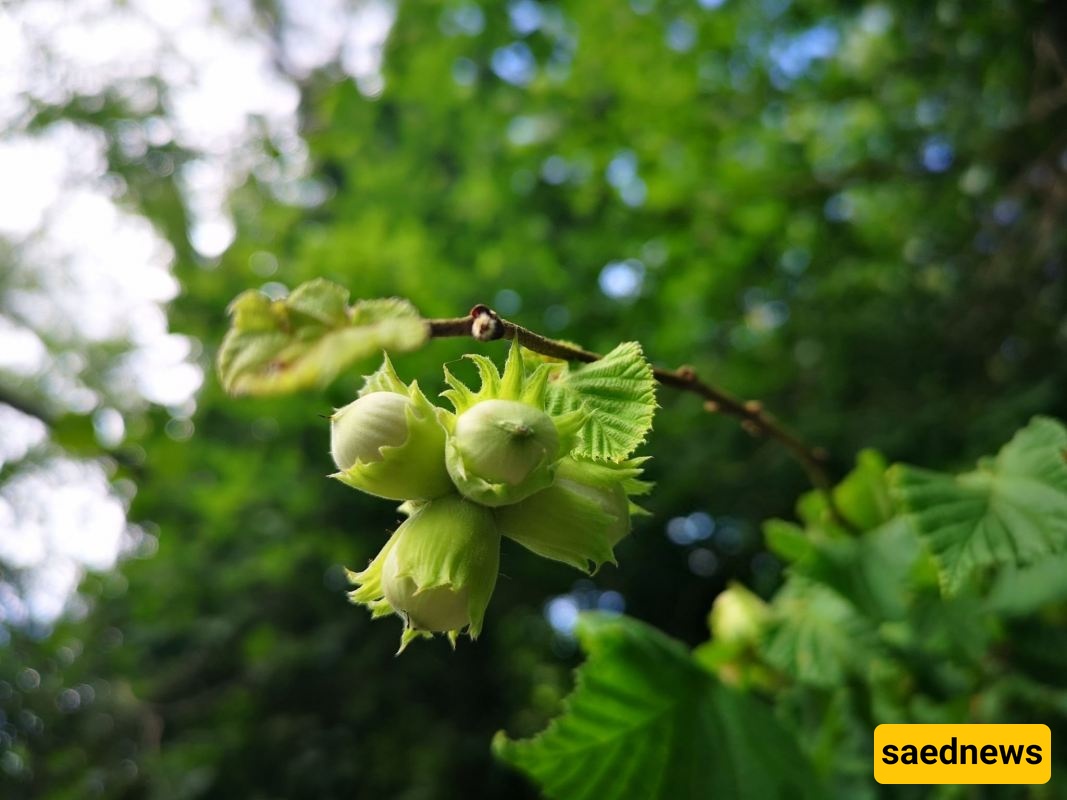
Hazelnut leaf spot can cause brown or yellow spots on leaves and reduce photosynthetic activity. Fungal root rot can damage the root system and prevent efficient absorption of water and nutrients.
Downy mildew can also interfere with effective photosynthesis and contribute to reduced fruit quality and production. Other diseases that affect the roots and stems can cause wilting, declining tree health, and reduced yields.
Managing a non-productive hazelnut tree requires identifying the underlying cause rather than simply applying more fertilizer or pruning the tree more heavily.
Effective management may include:
Planting compatible hazelnut cultivars for cross-pollination
Ensuring adequate sunlight and good air circulation
Using appropriate pruning techniques
Maintaining balanced soil nutrition
Correcting unsuitable soil pH and drainage problems
Providing adequate irrigation, especially during dry periods
Monitoring and controlling pests and diseases
Choosing cultivars adapted to the local climate
Using rejuvenation pruning on older trees when appropriate
Replacing severely declining trees when recovery is no longer practical
Regular monitoring and early identification of problems can help prevent major reductions in flowering, fruit set, and final hazelnut yield.