SAEDNEWS: Knowing when to move a houseplant into a larger pot can help support healthy roots and steady growth. Signs such as roots growing through drainage holes, slow growth, and soil drying unusually quickly may indicate that the plant needs more space.
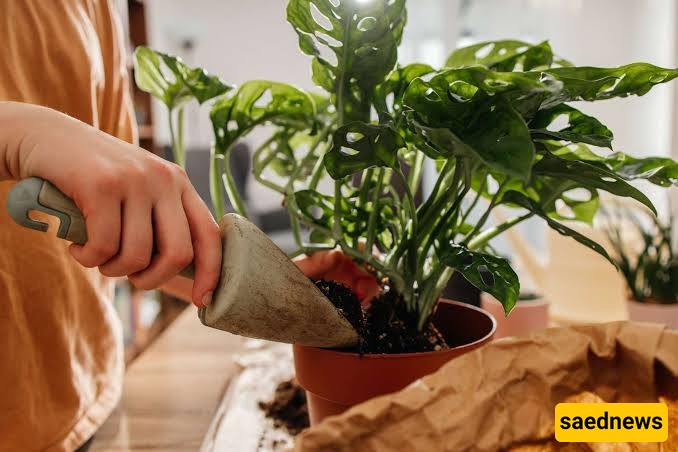
According to SAEDNEWS, a houseplant may need a larger pot when its roots have filled most of the existing container. Roots appearing through the drainage holes or circling tightly around the inside of the pot are common signs. A plant that repeatedly becomes loose or unstable in its container may also benefit from additional space.
Healthy plants generally produce new leaves and stems during their active growing period. If growth becomes noticeably slower despite suitable light, watering, and care, crowded roots may be one possible reason. A larger container can provide the roots with more room to develop and support continued growth.
Another useful clue is how rapidly the soil loses moisture. If the soil becomes dry much sooner than usual even though the plant's watering routine has not changed, a dense network of roots may be taking up water quickly. Checking the root system can help determine whether repotting is necessary.
A larger pot does not always mean a much larger pot. Moving a plant into a container only slightly wider than its current one is usually more appropriate. A pot that is excessively large can hold moisture for too long, which may create unfavorable conditions for the roots.
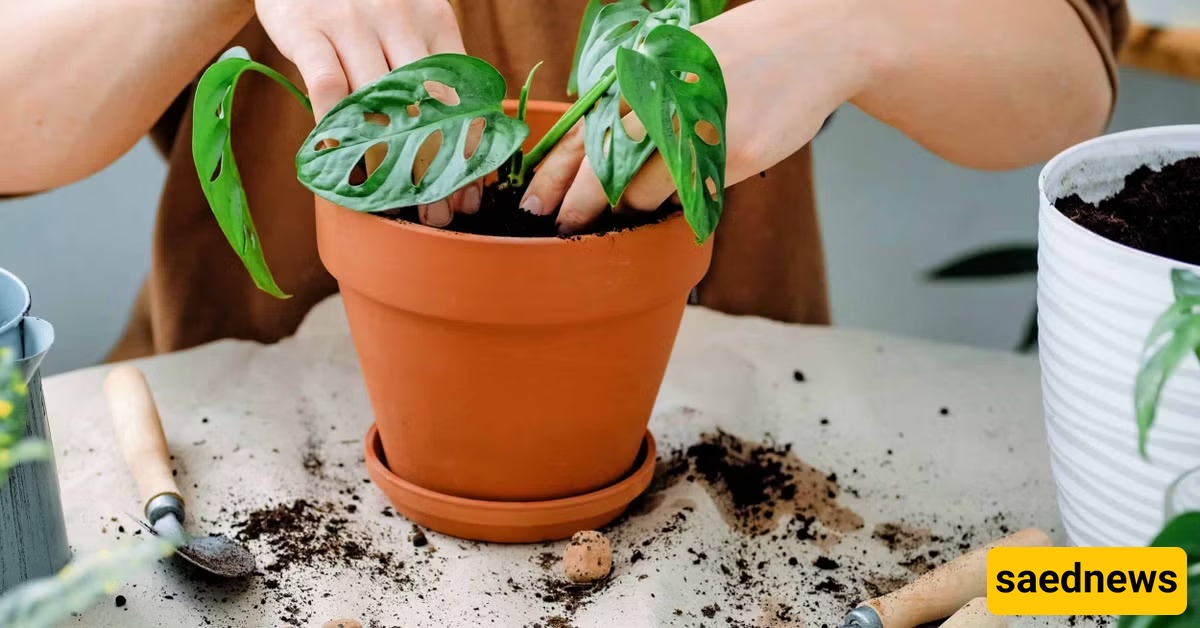
Repotting is generally easiest when the plant is actively growing and can recover more readily from the change. Before moving it, make sure the new pot has drainage holes and use fresh, suitable potting soil. After repotting, give the plant stable conditions and avoid unnecessary stress while it adjusts to its new container.