SAEDNEWS: Best Herbal Teas for High Cholesterol: Which Plant Is Actually Effective?
According to Saednews, as per the World Health Organization (WHO), cardiovascular diseases remain the leading cause of death worldwide. High blood lipid levels (hyperlipidemia), often considered a silent risk factor, put millions of people at risk every year.
In recent decades, interest in complementary and herbal therapies has grown significantly because of their perceived lower risk of side effects and holistic approach. However, despite the widespread claims surrounding herbal remedies, an important question remains: Which herbal tea is actually supported by scientific evidence and may help reduce cholesterol and triglyceride levels?
In this article, drawing on international research published in reputable databases and journals such as PubMed and those associated with the American Heart Association (AHA), we take an analytical look at several herbal options. We will examine their potential mechanisms of action, appropriate timing of consumption, and possible drug interactions.

Understanding Blood Lipids: The Essential Role of Lipids in the Body
Before choosing an herbal tea for high cholesterol or triglycerides, it is important to understand which components of the lipid profile we are trying to influence. “Blood lipids” is a general term referring primarily to cholesterol and triglycerides.
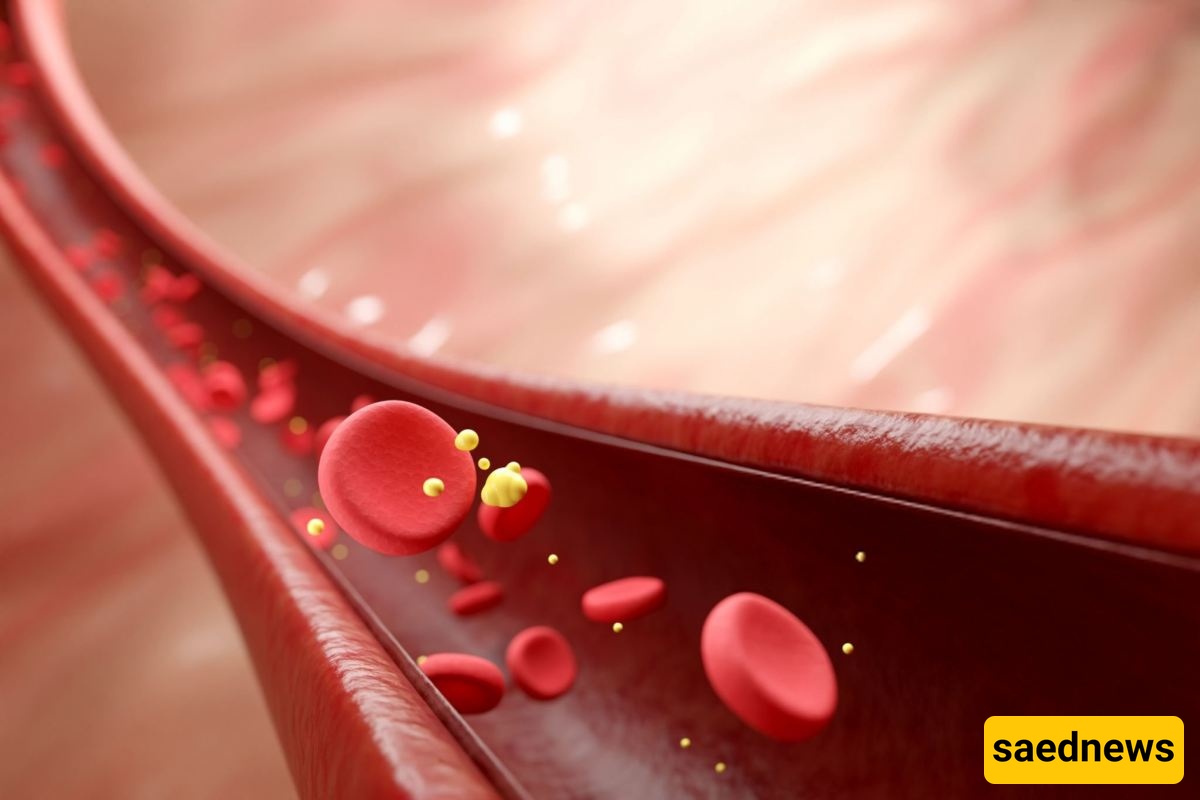
Cholesterol is transported through the bloodstream in the form of lipoproteins and is generally divided into two major types. Low-density lipoprotein (LDL), often referred to as “bad cholesterol,” is one of the main contributors to cholesterol buildup in artery walls.
In contrast, high-density lipoprotein (HDL), commonly known as “good cholesterol,” helps transport excess cholesterol from tissues back to the liver, where it can be processed and eliminated. Triglycerides are another form of fat that the body stores and uses as an energy source.
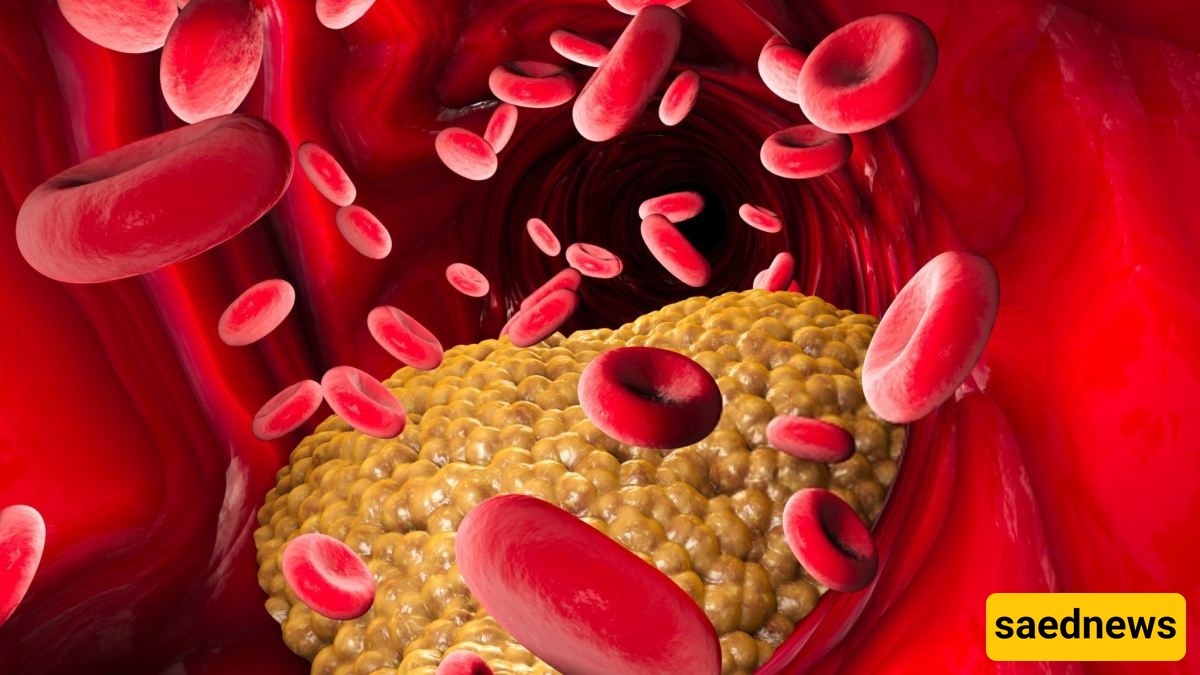
A combination of elevated LDL and triglycerides together with low HDL can contribute to atherosclerosis, the buildup and hardening of plaque in the arteries. This pathological process can restrict blood flow and significantly increase the risk of heart attack, stroke, and peripheral artery disease.
These factors are usually evaluated through a blood test known as a lipid profile. Reference ranges and treatment targets are described in clinical guidelines from organizations such as the AHA.
How Herbal Teas May Affect Cholesterol and Triglycerides
Herbal teas do not all work through the same biological pathways. Medicinal plants contain various bioactive compounds, including polyphenols, flavonoids, and catechins, which may influence lipid metabolism through several mechanisms.
Cellular and animal studies suggest that certain polyphenolic compounds may reduce intestinal cholesterol absorption and increase the excretion of bile acids.
When bile acid excretion increases, the liver may need to use more cholesterol from the bloodstream to produce new bile acids. Some plant compounds have also been investigated for their potential to influence HMG-CoA reductase, a key enzyme involved in cholesterol synthesis in the liver and the same enzyme targeted by statin medications.
Other compounds may increase the expression or activity of LDL receptors on liver cells, potentially helping remove LDL cholesterol from the bloodstream more efficiently.
Understanding these mechanisms can help explain why different herbal preparations may have different effects depending on an individual's specific lipid profile.
Herbal Teas Studied for Cholesterol and Triglyceride Management
Green tea is made from the leaves of Camellia sinensis. Because it contains high concentrations of catechins, particularly epigallocatechin gallate (EGCG), it has been extensively studied for its potential effects on cardiovascular and metabolic health.
Clinical research and meta-analyses have reported modest reductions in LDL cholesterol and total cholesterol among people consuming green tea or standardized green tea extracts.
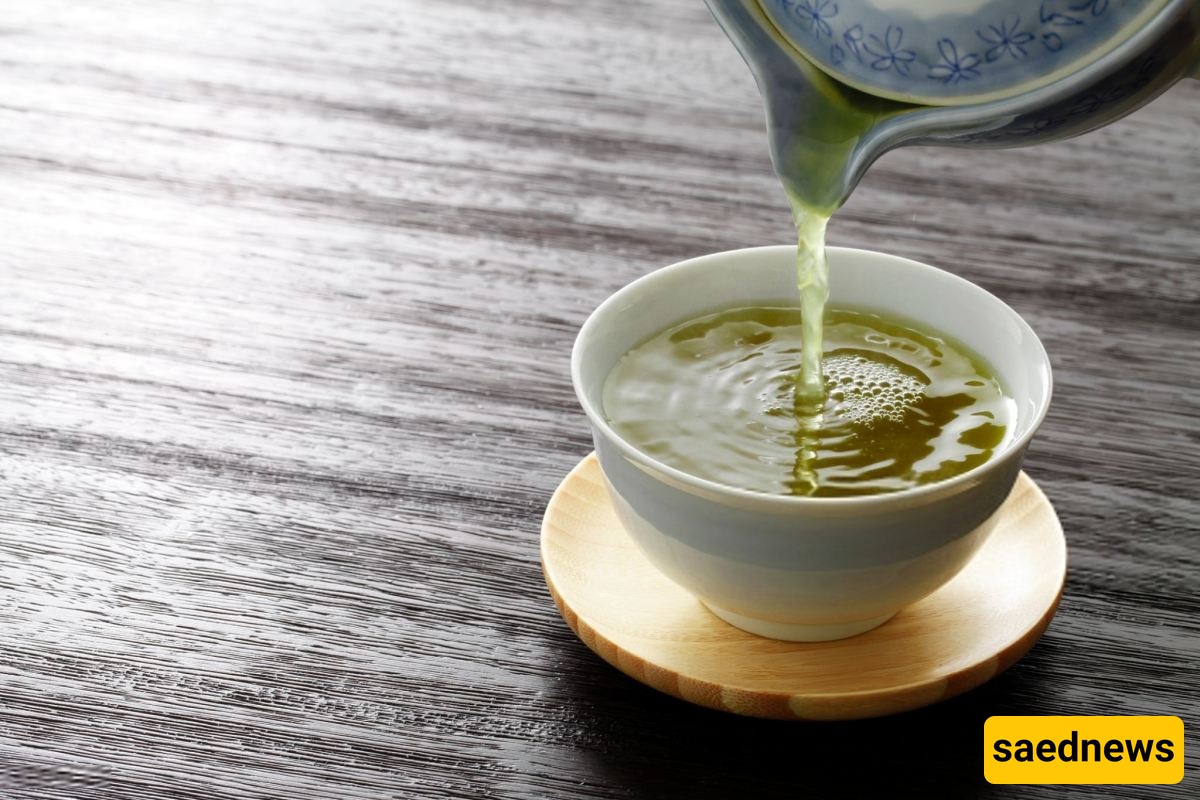
The magnitude of the effect varies considerably between studies and may depend on factors such as the amount consumed, duration of use, preparation method, and the individual's metabolic health.
Green tea also contains antioxidant compounds that may help reduce oxidative stress. This is relevant because oxidized LDL is thought to play an important role in the development of atherosclerotic plaque.
However, green tea should be viewed as a dietary supplement rather than a substitute for clinically indicated cholesterol-lowering treatment.
Ginger and cinnamon are widely used spices that have also been investigated for their potential effects on blood glucose and lipid metabolism.
Ginger contains bioactive compounds such as gingerols and shogaols. Several clinical studies have examined whether ginger supplementation may influence triglycerides, LDL cholesterol, and total cholesterol.
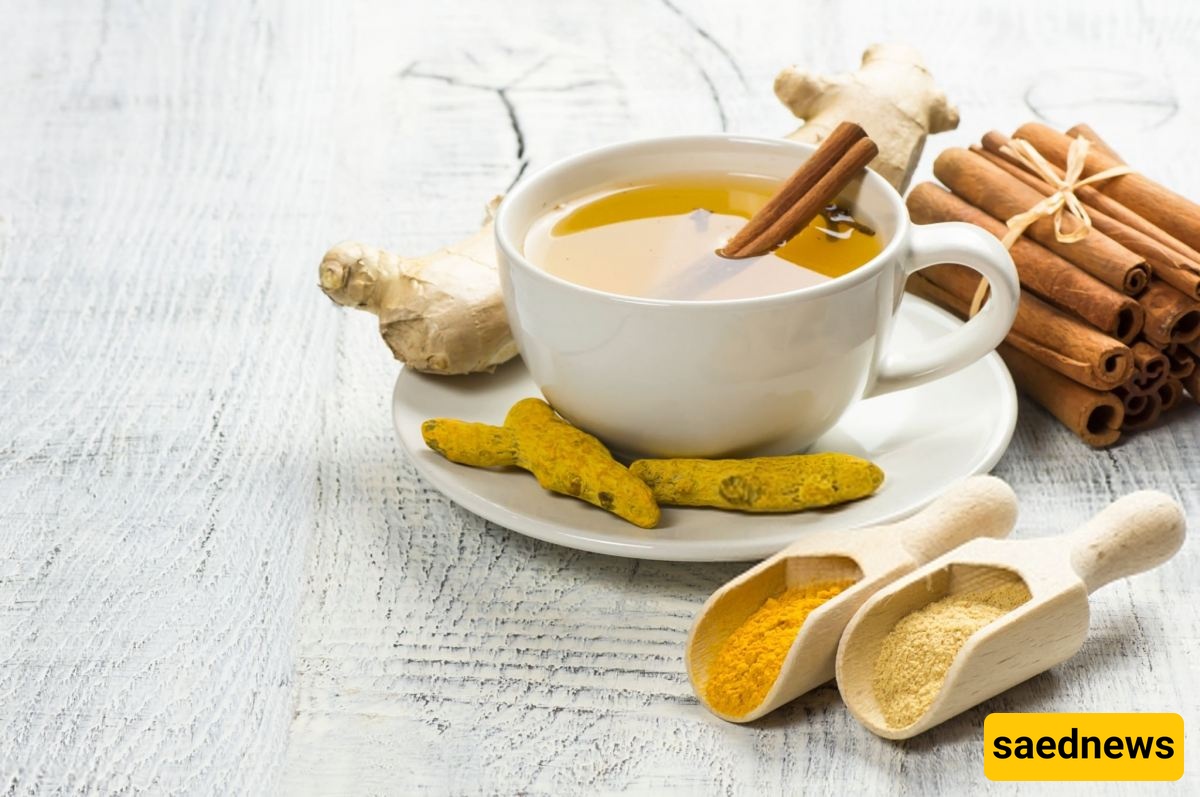
Cinnamon contains compounds such as cinnamaldehyde and various polyphenols. Research has explored its potential role in insulin sensitivity and glucose metabolism, which may indirectly influence lipid metabolism.
Although combining ginger and cinnamon is popular, evidence specifically demonstrating that the tea combination produces a strong cholesterol-lowering effect remains limited. It should therefore be considered a complementary dietary option rather than a proven treatment for hyperlipidemia.
Fenugreek (Trigonella foenum-graecum) contains soluble fibers, including galactomannan, as well as steroidal saponins.
One proposed mechanism is that soluble fiber forms a gel-like substance in the digestive tract. This may bind bile acids and reduce their reabsorption, potentially increasing their elimination through the stool.
Clinical studies have investigated fenugreek preparations for their effects on total cholesterol, LDL cholesterol, and triglycerides. Some studies have reported improvements in lipid levels, although the results vary and the amounts and preparations used in research are not always comparable to a typical cup of fenugreek tea.
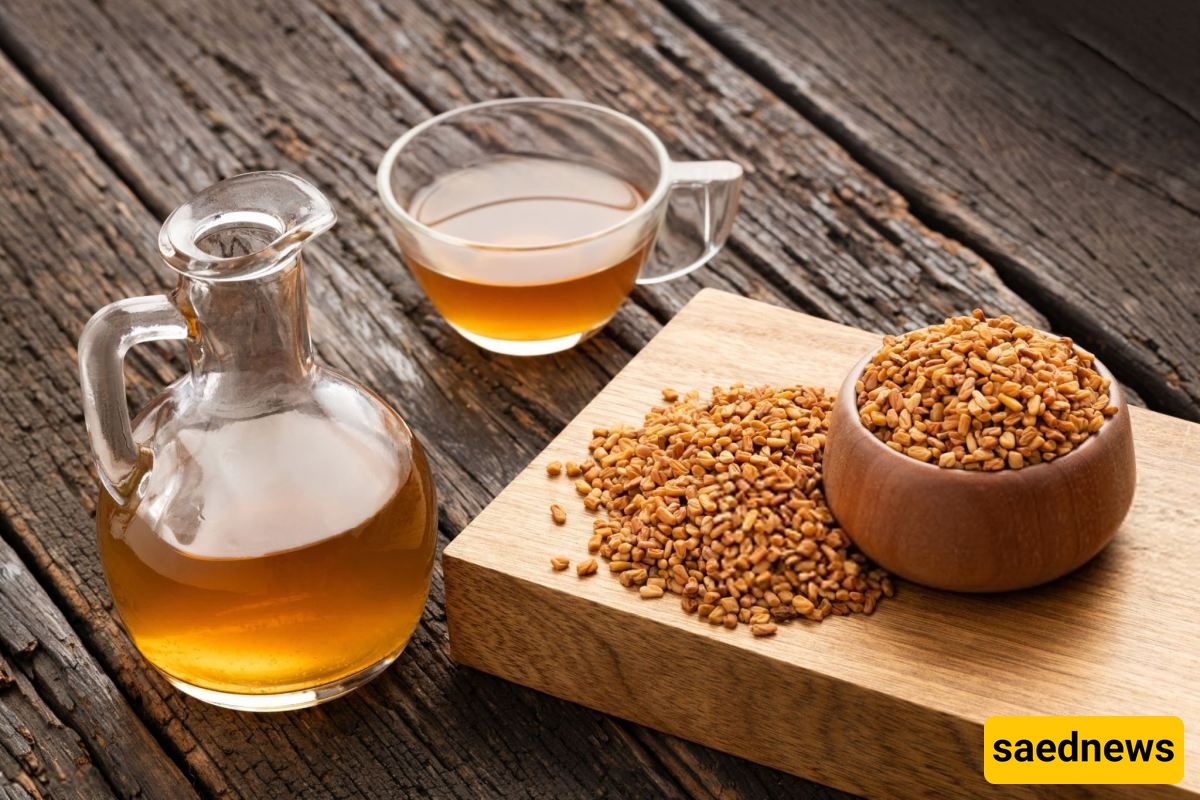
Because fenugreek can have a bitter taste, some people combine it with cinnamon or another flavoring. Added honey, however, also increases sugar intake and should be used sparingly, particularly by people monitoring their blood glucose.
Hibiscus tea is prepared from the dried calyces of Hibiscus sabdariffa. Its deep red color and tart flavor make it a popular herbal beverage.
Hibiscus contains anthocyanins and organic acids and has been studied particularly for its potential effects on blood pressure and cardiovascular health.
Some clinical trials have reported reductions in blood pressure and changes in lipid parameters following regular consumption of hibiscus preparations. However, results are not completely consistent, and more research is needed to determine the extent of its effect on HDL, LDL, and triglycerides.
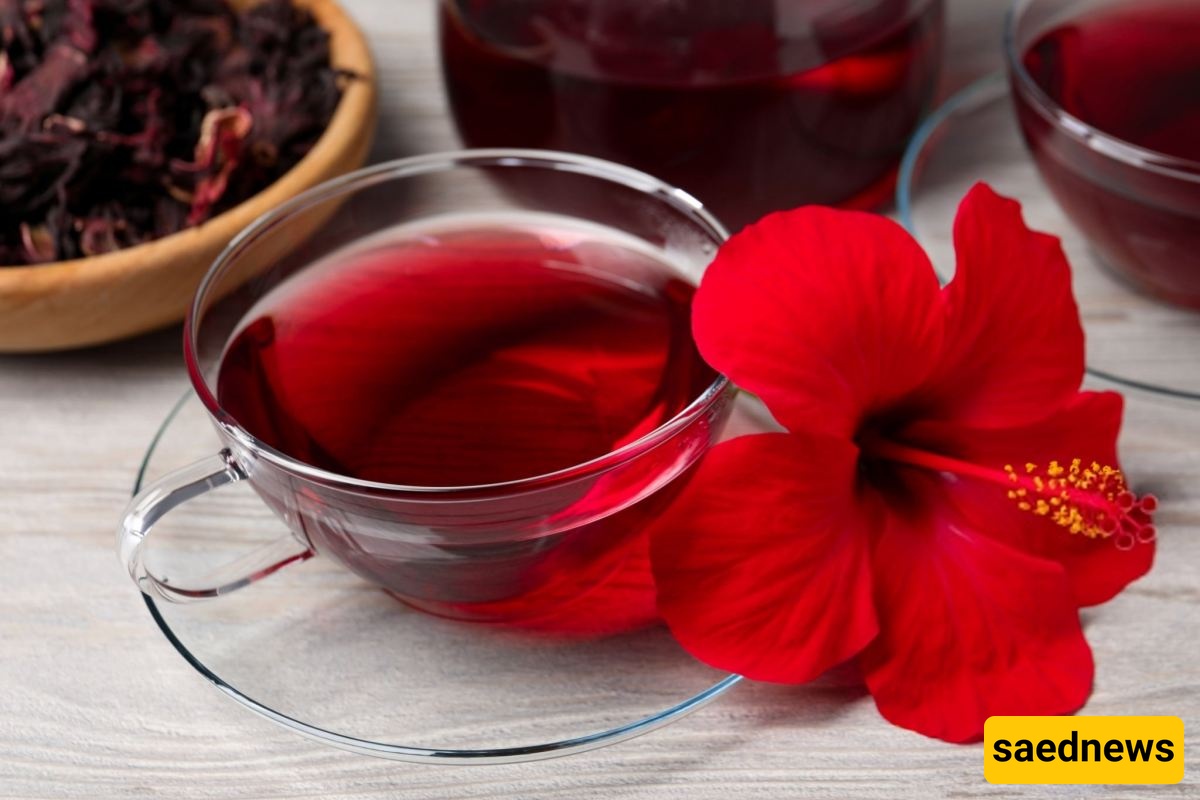
Because hibiscus may lower blood pressure, people who already have low blood pressure or who take antihypertensive medications should exercise caution.
Choosing an herbal tea should depend on the individual's overall lipid profile rather than relying on a single “best” tea.
Predominantly high LDL cholesterol: Green tea and fenugreek have been investigated for their potential effects on cholesterol absorption and lipid metabolism.
High triglycerides: Ginger has shown potential in some clinical studies, while cinnamon has primarily been investigated for metabolic and glucose-related effects.
Low HDL cholesterol: Evidence that herbal teas can meaningfully raise HDL is limited, so treatment should focus primarily on established lifestyle and medical approaches.
Metabolic syndrome and high blood pressure: Hibiscus may be particularly relevant because of its potential blood-pressure-lowering effects, while dietary strategies involving ginger and cinnamon may provide additional metabolic support.
Herbal Tea | Common Dietary Use | Potentially Relevant Effect | Important Consideration |
|---|---|---|---|
Green tea | 2–3 cups daily | May modestly reduce LDL and total cholesterol | Contains caffeine and may interact with some medications |
Hibiscus tea | About 2 cups daily | May help lower blood pressure and influence lipid parameters | Use caution with blood-pressure medication or low blood pressure |
Fenugreek tea | Prepared from fenugreek seeds | May influence LDL, triglycerides, and cholesterol absorption | Can affect blood glucose and may interact with medications |
Ginger and cinnamon tea | 1–2 cups daily | May support metabolic and glucose regulation | High supplemental doses may increase interaction risks |
Peppermint tea | 1–2 cups daily | Mainly used for digestion rather than lipid lowering | Not an established treatment for high cholesterol |
The fact that a product is natural does not automatically make it risk-free. Herbal products can interact with prescription medications, particularly when consumed in concentrated forms or at high doses.
For example, green tea contains vitamin K, although the amount varies considerably depending on preparation and consumption. People taking warfarin should maintain a consistent intake and discuss significant dietary changes with their healthcare professional.
Ginger may have antiplatelet effects, so people taking anticoagulant or antiplatelet medications should consult their doctor before using concentrated ginger preparations regularly.
Hibiscus may lower blood pressure and could potentially have additive effects when combined with antihypertensive medications.
The optimal timing of herbal tea consumption for lipid management has not been firmly established. Claims that drinking a particular tea exactly 30 minutes before meals will significantly block dietary fat absorption are not supported by sufficiently strong clinical evidence.
For this reason, consistency of dietary habits is generally more important than following a specific “perfect” timing schedule.
No herbal tea can replace cholesterol-lowering medication when medication is medically indicated, particularly in people at high cardiovascular risk.
A more effective approach combines a heart-healthy diet, regular physical activity, weight management when appropriate, smoking cessation, adequate sleep, and medical treatment when necessary.
Among herbal beverages, green tea has some of the strongest evidence for modest effects on LDL and total cholesterol. Hibiscus is better known for its potential blood-pressure effects, while fenugreek and ginger have shown promising but variable findings in studies of lipid metabolism.
It is important to keep expectations realistic. Herbal teas are unlikely to produce dramatic changes in cholesterol within a few days. When dietary interventions are being evaluated, lipid levels are generally assessed over a longer period rather than relying on immediate changes.
Anyone taking prescription medication or living with an underlying medical condition should consult a healthcare professional before regularly using concentrated herbal preparations.
The key point: herbal teas may have a supportive role in cardiovascular health, but they should be considered complementary dietary choices—not replacements for evidence-based treatment of high cholesterol or triglycerides.