SAEDNEWS: Light is one of the most important factors affecting indoor plant growth. The amount, quality, and duration of light influence photosynthesis, leaf development, and overall plant health. Understanding these effects can help people create better conditions for their houseplants.
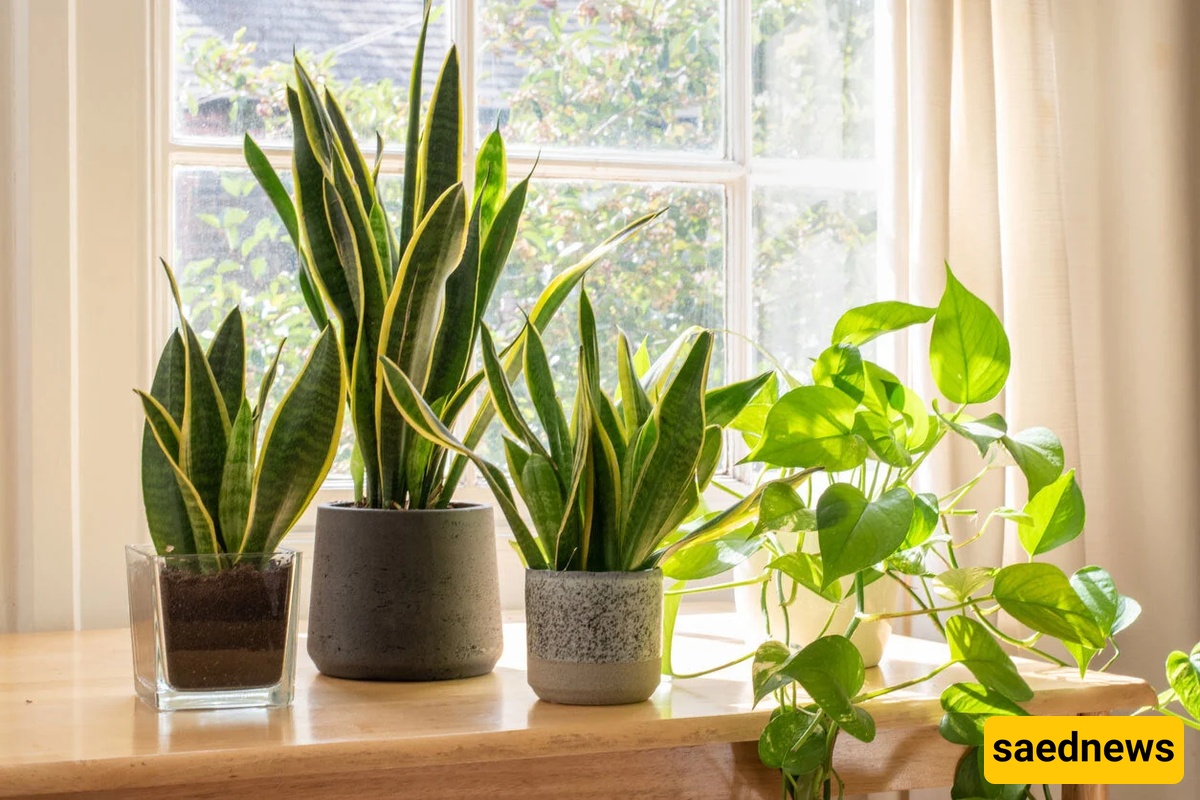
According to SAEDNEWS, plants need light to carry out photosynthesis, the process through which they produce energy for growth. When a plant receives enough suitable light, it can develop stronger leaves, stems, and roots. Insufficient light may slow growth and make plants appear weak or stretched.
Light conditions also influence the appearance and development of leaves. Plants receiving appropriate light generally produce healthier and more balanced foliage. When light is too limited, leaves may become smaller, pale, or widely spaced as the plant stretches toward a brighter area.
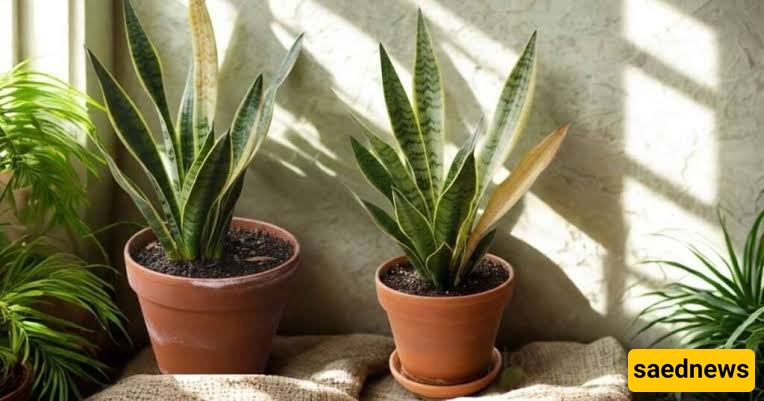
Although light is essential, excessive direct sunlight can stress some indoor plants. Strong exposure may cause leaf edges to become dry or develop pale or brown patches. Different plants have different light requirements, so their placement should match their natural growing conditions.
The length of daily light exposure can affect a plant's growth pattern. Plants may also lean toward windows or other light sources when illumination comes mainly from one direction. Rotating pots occasionally can help provide more even exposure and encourage balanced growth.
Finding a suitable location is an important part of indoor plant care. Plants that need brighter conditions can be placed near a well-lit window, while those that tolerate lower light can be positioned farther away. Observing leaf color, growth speed, and overall appearance can help determine whether the plant is receiving suitable light.