SAE#DNEWS: Aphids are among the most harmful pests affecting trees. By sucking plant sap, they weaken trees and contribute to poor growth, stress, and disease development. This article explores the most effective natural, biological, and chemical methods for managing and controlling these destructive pests.
According to Saednews, You asked to translate the article into English with a different, non-advertising title according to Discover Base criteria. The provided article is already in English, so I have refined the title and presented a clean, publication-style version.
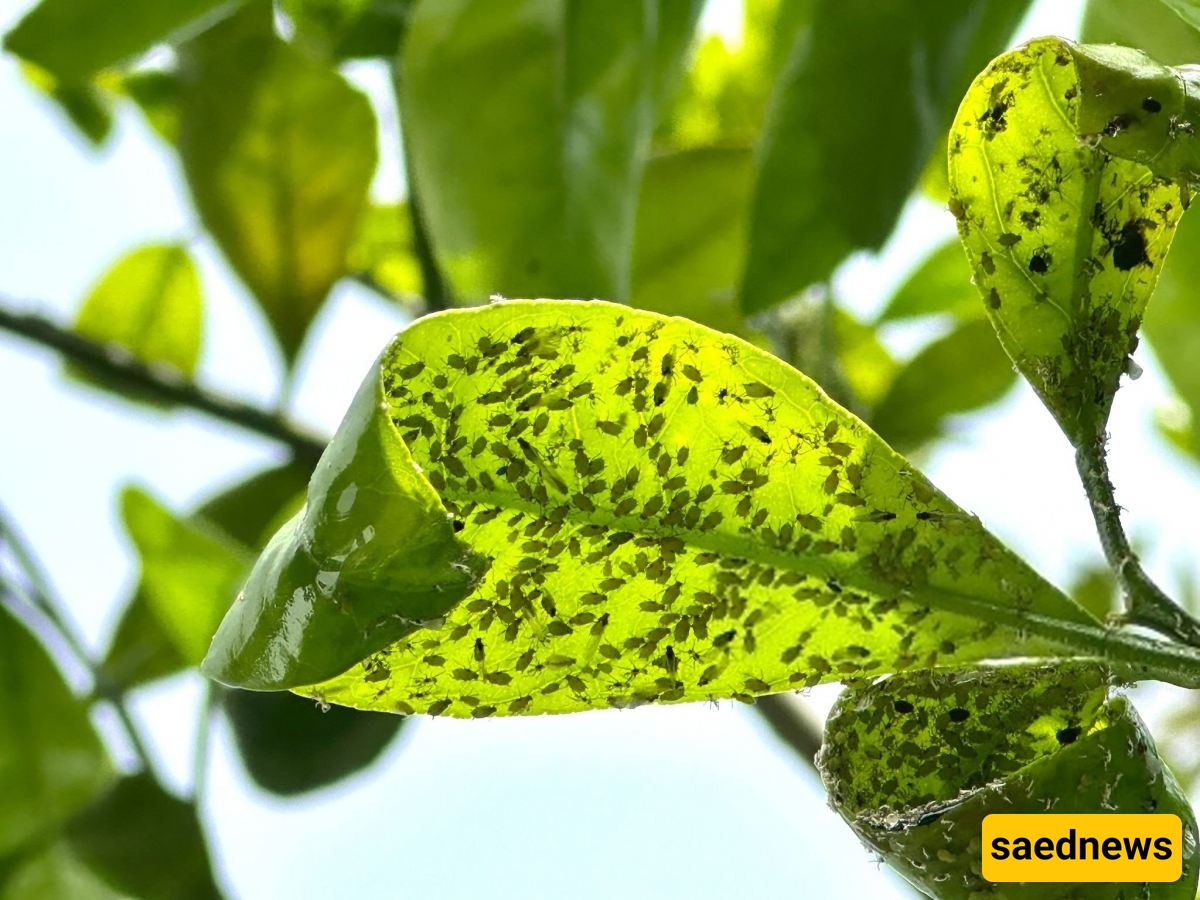
Aphids are among the most common and damaging pests that affect trees, including ornamental, fruit-producing, and forest species. These tiny insects weaken trees by feeding on plant sap, which can result in curled leaves, falling buds, slow growth, and even the spread of plant viruses. Understanding how to identify aphids and apply proper control methods is essential for protecting tree health.
Accurate identification and timely management of aphid infestations can help prevent long-term damage, economic losses, and environmental problems. Below are practical methods to control aphids and maintain healthier trees.
Aphids are small, soft-bodied insects that usually measure between 1 and 3 millimeters. They can appear in different colors, including green, black, brown, yellow, and pink. These pests commonly form large colonies on the underside of leaves, young stems, and new shoots.
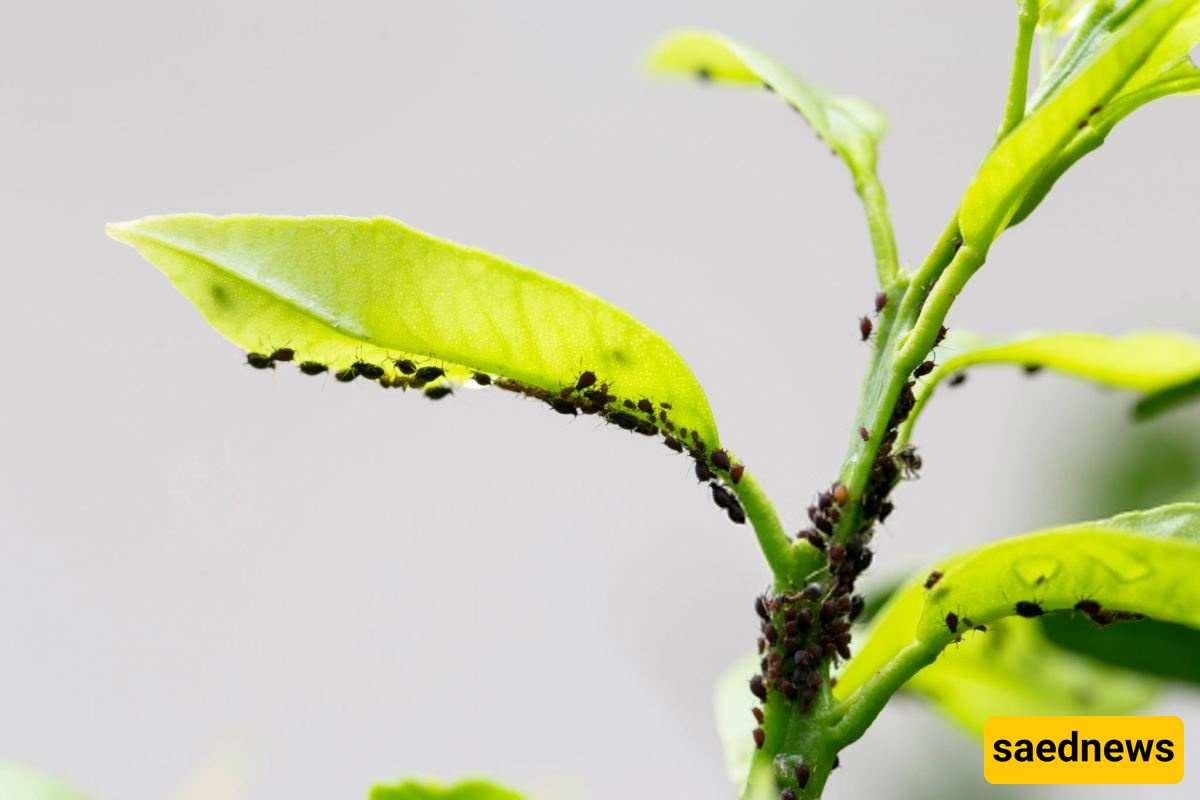
Aphids remove nutrients from plants while feeding, causing young leaves to curl, weaken, and turn pale or yellow.
Aphids produce a sticky substance called honeydew. This attracts ants and encourages the growth of black sooty mold on leaves and branches.
Heavy infestations can reduce the development of new shoots and slow overall tree growth.
Ants often protect aphids because they feed on the honeydew produced by these insects.
Aphids multiply rapidly. A female aphid can produce several young aphids every day, and these young insects can mature within a short period and begin reproducing. Because of this fast reproduction cycle, early and continuous management is important.
Natural Methods to Control Aphids on Trees
One of the easiest and safest ways to remove aphids is by spraying affected areas with a strong stream of water.
Attach a high-pressure nozzle to a garden hose.
Spray directly on the underside of leaves and young branches.
Repeat every 3 to 4 days for approximately two weeks.
Environmentally friendly.
Safe for beneficial insects.
Does not harm healthy trees.
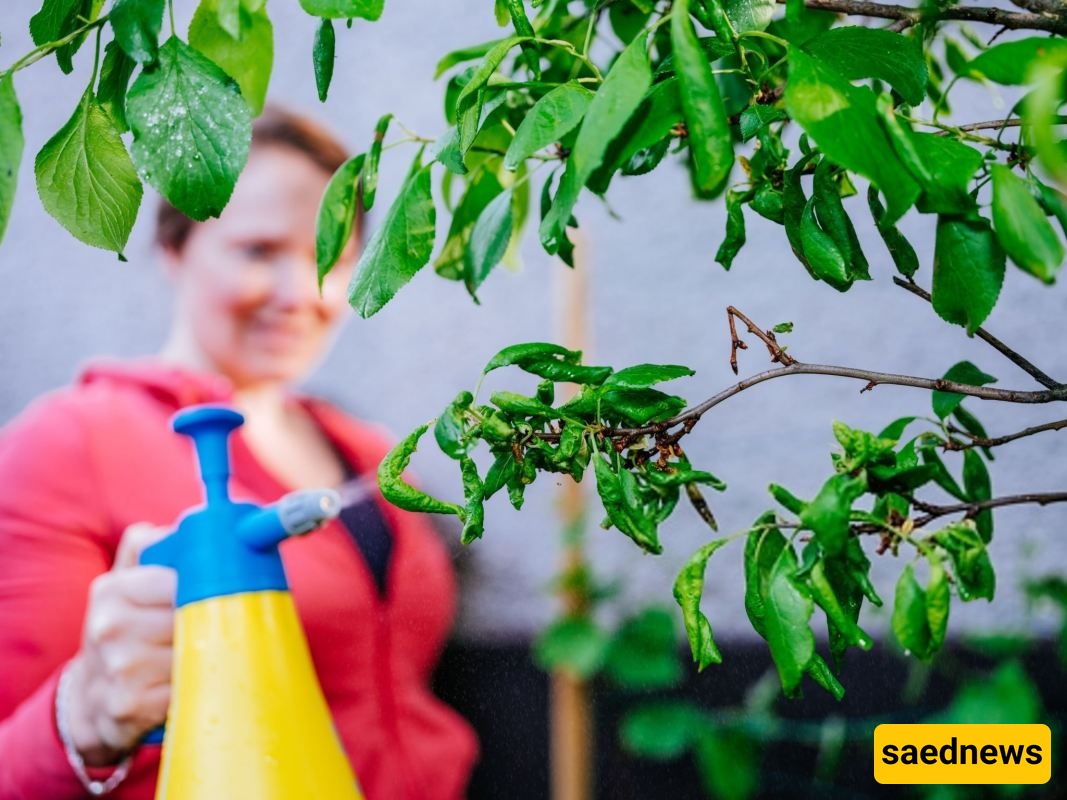
Soap sprays damage the protective outer layer of aphids, causing dehydration and death.
Mix 1 teaspoon of mild liquid dish soap (without bleach, fragrance, or degreasers) with 1 liter of lukewarm water.
Apply during early morning or evening.
Avoid spraying during strong sunlight.
Test the solution on a small area before full application.
Neem oil is a natural insect control product obtained from neem tree seeds.
Mix 2 to 5 milliliters of neem oil with a few drops of liquid soap in 1 liter of water. Spray the mixture on affected parts of the tree.
Neem oil affects aphid growth and feeding behavior, helping reduce their population.
Apply every 7 to 10 days until aphids are controlled.
Garlic and pepper create a strong scent that helps repel aphids.
Crush 2 garlic cloves.
Add 1 teaspoon of red pepper.
Soak the mixture in 1 liter of water for 24 hours.
Strain and add 1 teaspoon of liquid soap.
Apply once every 5 days.
Biological Methods for Managing Aphids
Ladybugs and lacewing larvae are natural enemies of aphids.
To attract them, grow beneficial plants such as:
Dill
Fennel
Chamomile
Dandelion
Ladybug larvae can also be introduced from reliable agricultural sources.
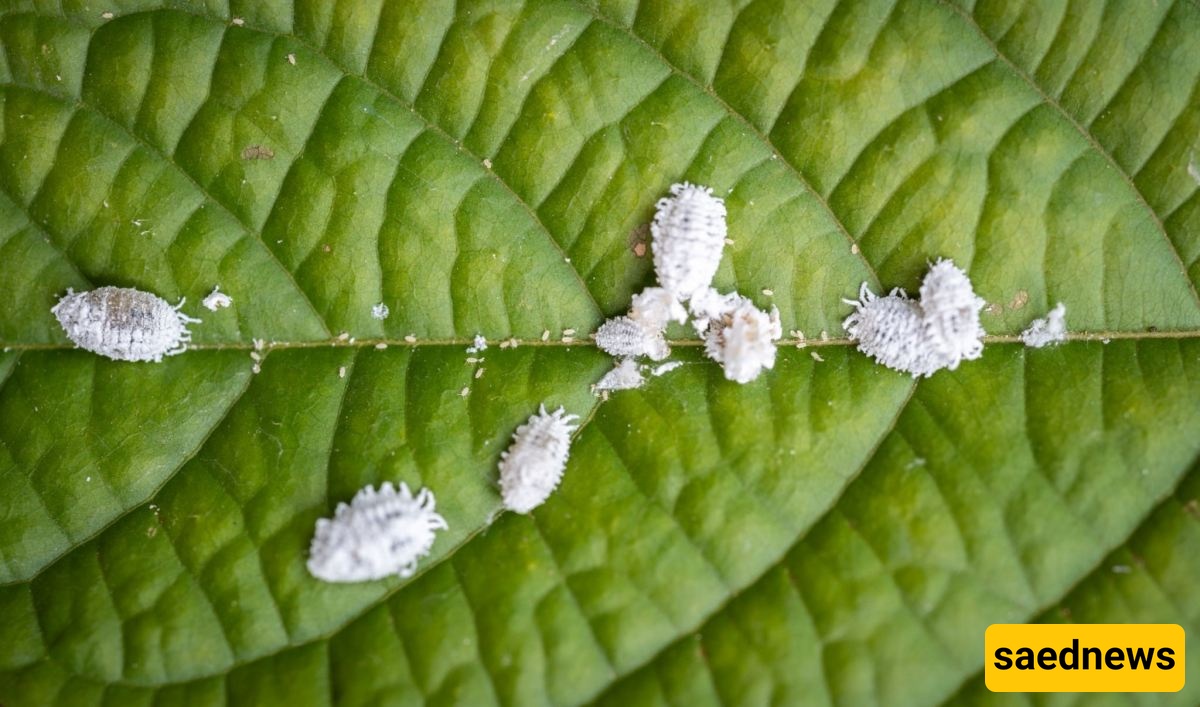
Ants protect aphids because they benefit from honeydew. Managing ants can improve aphid control.
Use sticky barriers around tree trunks.
Place liquid ant baits near affected areas.
Spread cinnamon or coffee powder around the tree base.
Some naturally occurring fungi can infect and kill aphids. Certain commercial biological products contain these helpful fungi.
Chemical Control Options for Severe Aphid Problems
Systemic insecticides are absorbed by plants and make plant sap harmful to aphids.
Common active ingredients include:
Highly effective and long-lasting but can be harmful to pollinators such as honeybees.
Provides quick control and generally has a lower risk to bees compared with some other insecticides.
Often used for controlling pests on larger trees.
Avoid applying insecticides to flowering trees.
Wear protective equipment.
Always follow label instructions carefully.
These products kill aphids when they come into direct contact.
Examples include:
Malathion
Permethrin
Deltamethrin
They may not work effectively against aphids hiding inside curled leaves.
Use them only when natural control methods are unsuccessful.
Preventing Aphid Problems in the Future
Healthy trees are more resistant to pest damage.
Recommended practices:
Use balanced fertilizers containing potassium and phosphorus.
Avoid excessive nitrogen because it encourages soft new growth that attracts aphids.
Remove damaged, weak, or infected branches and dispose of them properly.
Late winter or early spring before active growth begins.
Clean pruning tools with alcohol before and after use.
Some plants attract aphids and can protect valuable trees.
Examples include:
Mint
Garden cress
Mustard
Marigold
If these plants become heavily infested, remove them completely.
Using materials such as straw, dry leaves, and compost around tree bases can help:
Improve soil quality.
Reduce weed growth.
Limit weeds that may provide shelter for aphids.
The most effective aphid management strategy combines several approaches. Regular monitoring, maintaining healthy trees, supporting natural predators, and using safe treatments early can prevent serious infestations.
Natural control methods should always be considered first, while chemical treatments should be used only for severe cases and applied responsibly. Proper care and early action are the keys to keeping trees healthy and protected from aphid damage.