SAEDNEWS: Eyelid Twitching Rarely Requires Emergency Treatment, But Persistent Spasms May Signal a Neurological Disorder
According to Saed News and Alodoctor:
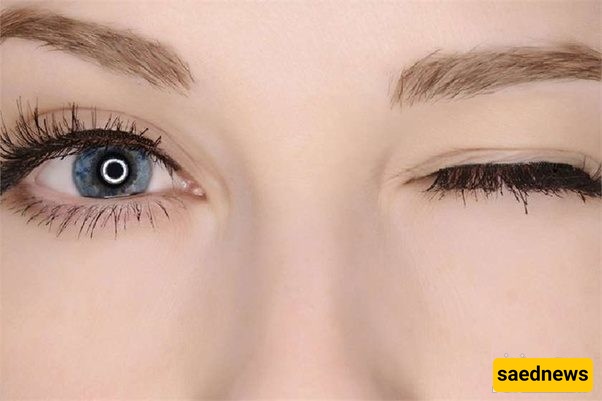
Eyelid twitching is an involuntary movement of the eyelid. It is usually harmless, but persistent and repeated twitching can cause the eyelid to close involuntarily. This article discusses the causes and treatment of eyelid spasms.
Exposure to strong light
Excessive caffeine consumption
Fatigue
Stress
Psychological pressure
Sensitivity of the eye surface to certain substances
Entry of dust into the eye
Exposure to strong winds
Smoking
Eyelid twitching is rarely serious enough to require emergency medical care. However, chronic eyelid spasms may indicate a more serious neurological or brain disorder. You should see a doctor if you experience any of the following along with persistent eyelid twitching:
Your eye is red, swollen, or has unusual discharge
Your upper eyelid is drooping
Each twitch causes the eyelid to fully close
The twitching has continued for several weeks
The spasms affect other parts of your face
Lifestyle changes can often help stop eyelid twitching. If stress or fatigue is the cause, make sure to rest your eyes and keep them closed when needed.
Get enough high-quality sleep and practice relaxation techniques such as yoga
Limit caffeine intake
Use artificial tears if dry eyes are the cause
Reduce screen time (TV, phone, tablet, computer)
Rest your eyes every 10 minutes by closing them or looking at a distant object for 10–15 seconds, especially during reading or screen use
Avoid stress and anxiety
Avoid prolonged TV/computer use and exposure to bright lights
Get sufficient sleep
Avoid alcohol and tobacco
Reduce consumption of coffee and tea
Eat foods rich in vitamins and potassium, especially bananas
Avoid rubbing your eyes excessively
Treat minor eye conditions such as dry eye
In some cases, sedatives or anti-anxiety medications may be prescribed, but their effects are temporary and the underlying cause should be addressed. In rare cases, Botox injections into the eyelids or even surgery may be required.