SAEDNEWS: Can HCG (hCG) Injections Help with Pregnancy? How They Work, Timing, Side Effects, and Success Rates in Infertility Treatment
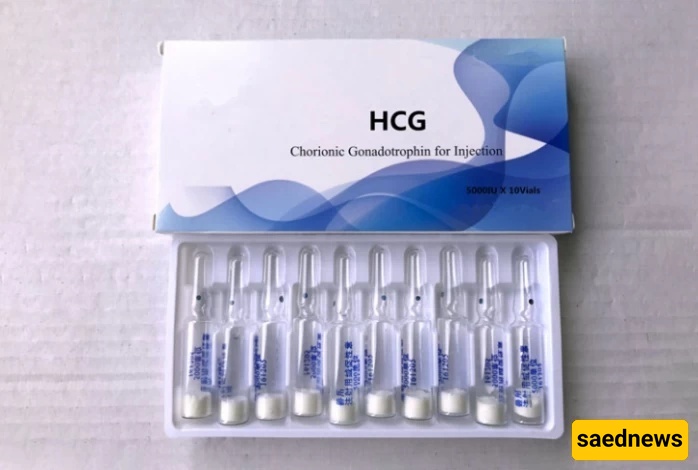
According to Saed News Family Magazine, infertility is one of the common challenges faced by couples worldwide and can result from various causes, including hormonal or ovulation disorders. The HCG (Human Chorionic Gonadotropin) injection is an effective method used in infertility treatment. It stimulates ovulation and supports early pregnancy, thereby increasing the chances of conception. This article, based on reliable scientific sources, examines the role of HCG in pregnancy, how it is used, injection timing, possible side effects, and key factors for success.
Human Chorionic Gonadotropin (HCG) is a hormone naturally produced by the placenta during pregnancy. It plays an essential role in maintaining pregnancy and promoting progesterone production. In assisted reproductive techniques such as IVF (In Vitro Fertilization) and IUI (Intrauterine Insemination), HCG is used to trigger ovulation and release mature eggs.
HCG works by mimicking Luteinizing Hormone (LH), stimulating ovarian follicles to release mature eggs.
1. Ovulation induction:
HCG is prescribed for women who have ovulation disorders due to hormonal imbalance or Polycystic Ovary Syndrome (PCOS). Ovulation usually occurs 24–48 hours after injection.
2. Pregnancy support:
HCG helps maintain early pregnancy by increasing progesterone production.
3. Male infertility treatment:
In men, HCG stimulates testosterone production and improves sperm count in cases of low sperm production.
4. Increased chance of multiple pregnancy:
HCG may increase the likelihood of twin or multiple pregnancies, but this requires careful medical supervision.
Proper timing is crucial for success. Doctors usually determine the best time using ultrasound monitoring of follicle growth. The injection is typically given on days 12–14 of the menstrual cycle when follicles reach 18–20 mm in size.
Ovulation usually occurs 24–48 hours after the injection, and couples are advised to have intercourse or undergo assisted procedures such as IUI during this window.

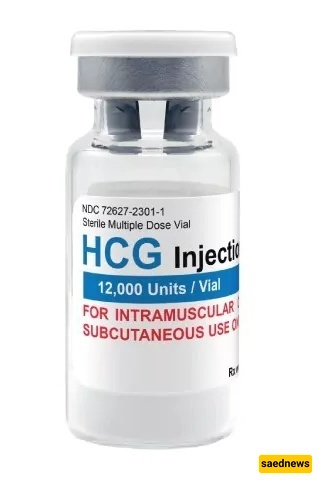
HCG is given via intramuscular or subcutaneous injection. The typical dose ranges from 5,000 to 10,000 units. It must be administered under medical supervision, although trained patients may perform it at home.
Common injection sites include the arm or thigh muscles. Proper storage (usually refrigeration) is necessary to maintain effectiveness.
Success depends on several factors such as age, general health, and the cause of infertility. Studies show that using HCG before embryo transfer in IVF can significantly improve implantation and pregnancy rates.
Key factors affecting success include:
Egg and sperm quality
Accurate timing of injection and intercourse (24–48 hours window)
Underlying medical conditions such as PCOS or hormonal disorders
Although effective, HCG may cause side effects, including:
Ovarian Hyperstimulation Syndrome (OHSS): abdominal pain, bloating, and swelling
Pregnancy-like symptoms: breast tenderness, nausea, fatigue, and mood swings
Injection site reactions: pain, bruising, or inflammation
Increased risk of multiple pregnancy: which may carry medical risks
Consult a fertility specialist for proper dosage and timing
Maintain a healthy lifestyle, balanced diet, and regular exercise
Perform regular blood tests and ultrasound monitoring
Be patient, as multiple treatment cycles may be required
HCG should not be used in the following cases:
Confirmed pregnancy
Hormone-dependent cancers (breast, ovarian, prostate)
Uncontrolled thyroid, kidney, or heart disease
Allergy to HCG or its components
The HCG (Human Chorionic Gonadotropin) injection is an effective tool in infertility treatment that helps stimulate ovulation and support early pregnancy, increasing the chance of conception. However, its use requires careful medical supervision, proper timing, and awareness of possible side effects. Consultation with a fertility or gynecology specialist is essential for achieving the best results.