SAEDNEWS: Prince Behojavani Never Saw Himself as a Negative Thinker—Until Three Hospital Visits in One Month Forced Him to Reconsider

According to the Saed News Agency, citing the Associated Press, before May 2018, Prince was the founder of a healthy startup but was constantly anxious. He regularly cycled 32-kilometer routes. When he suddenly lost the ability to walk, experienced blurred vision, and developed high blood pressure, emergency doctors suspected a stroke but could not identify the cause of his illness.
However, a close friend—described by Prince as “one of the most optimistic people I know”—noted that he often did not believe things would turn out well, and this mindset may have contributed to his burnout.

Prince, who lives in New York City, said: “I started seeing the world very differently.” He began practicing meditation and set aside a moment each morning to feel gratitude for being alive. He also co-founded a nonprofit organization called Asana Voices, a South Asian advocacy group.
In the years since, despite working longer hours, he has not experienced similar health crises. He attributes this to his new positive mindset.
He said: “After that life-changing event, it pushed me to become optimistic. I can’t even imagine going back to how I lived before.”
While optimism alone is not a cure-all, numerous studies over the past decades have shown a link between positive thinking and better health outcomes.
Experts say one standard measure of dispositional optimism is the Life Orientation Test, a 10-question assessment published in 1994.
Hayami Koga, a postdoctoral researcher at Harvard’s Center for Population and Development Studies, defines optimism as “the expectation that good things will happen or the belief that the future will be favorable because we can influence important outcomes.”
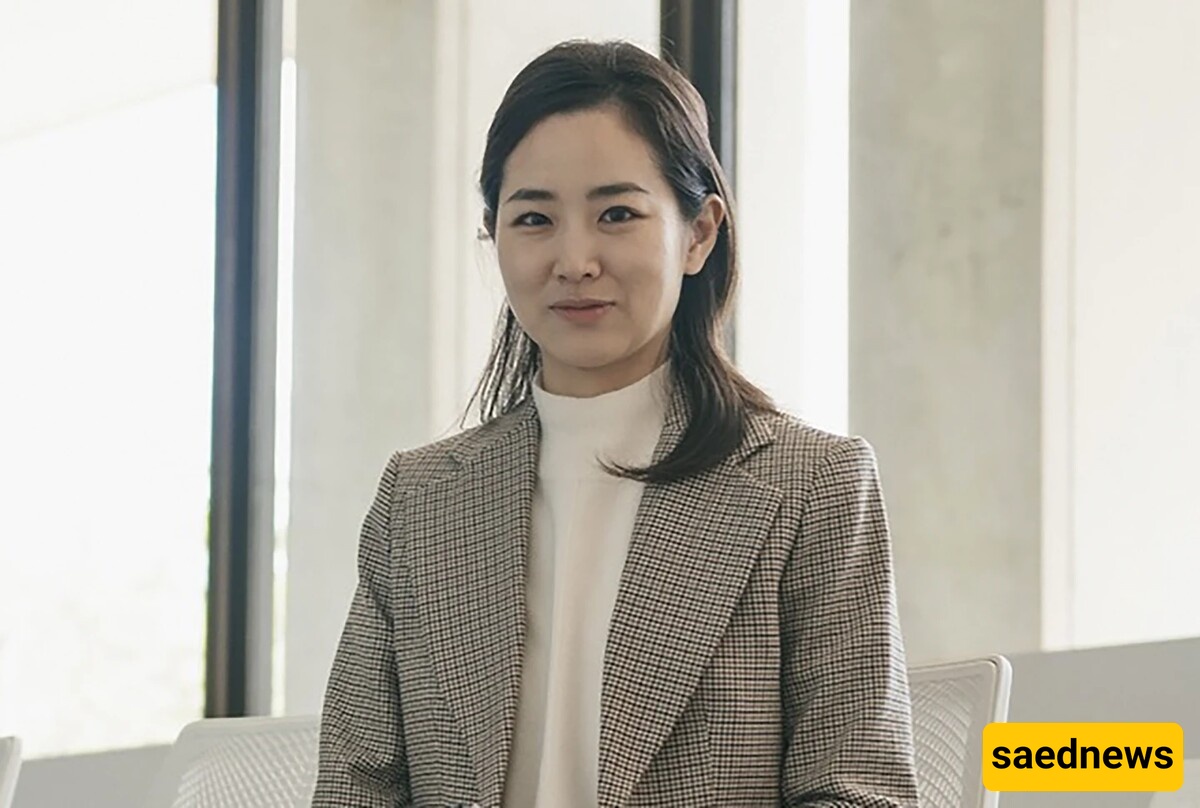
She was the lead author of a 2022 study linking optimism to longer lifespan and a higher chance of living beyond 90 years. In another study published in JAMA Psychiatry, she and colleagues found that optimistic individuals tended to have better physical functioning as they aged. The study followed 5,930 postmenopausal women over six years.
Koga said: “We know that more optimistic people are more likely to live healthier lives, with healthier habits, better diets, and more physical activity.”
Su Verma, a clinical professor of psychiatry at New York University and author of Practical Optimism, said some people are naturally more optimistic, but it can definitely be learned. Training optimism, she said, can improve life satisfaction and reduce anxiety.
Verma explained: “Even if you are not born with a natural tendency to expect positive outcomes and see the glass half full, there are skills you can learn.”
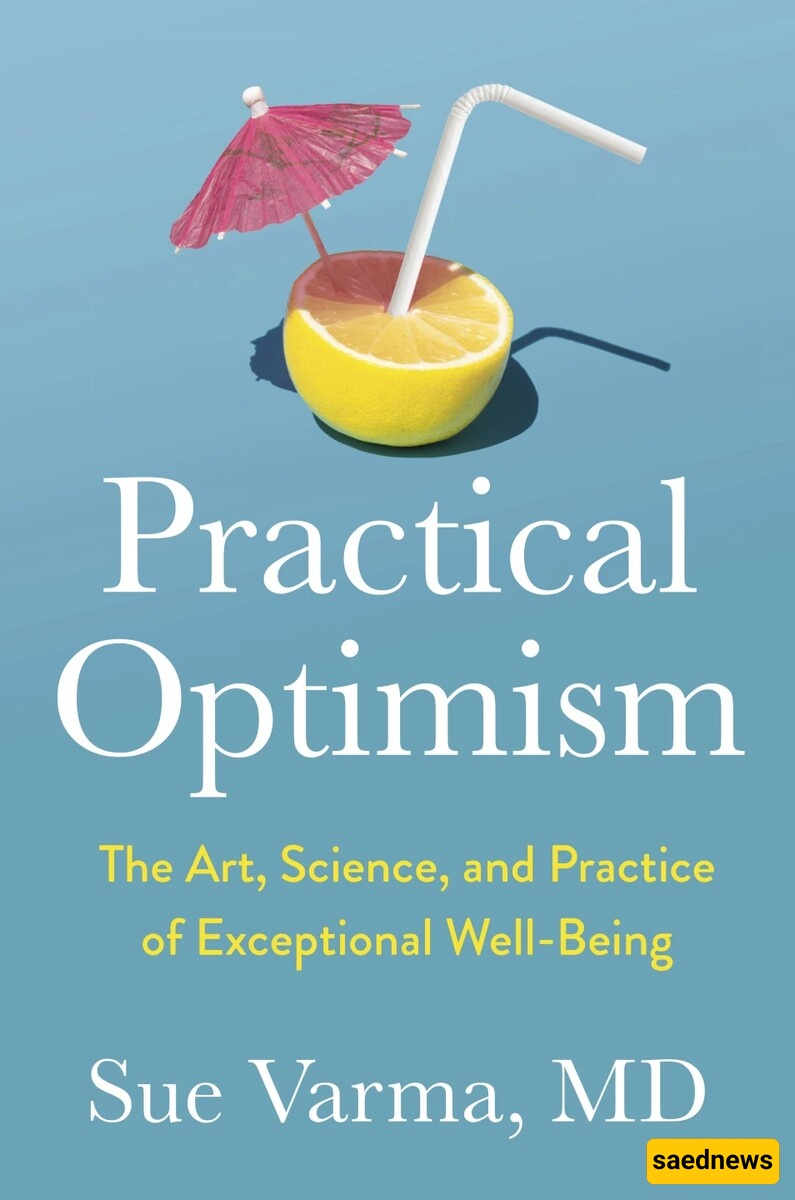
She suggests starting by examining how you respond to uncertainty. Do you tend to worry or assume the worst? Try to reframe your thinking objectively: Is there a positive angle? Is this a problem to solve or a reality to accept?
Her approach is based on the work of Martin Seligman, one of the founders of positive psychology.
She also recommends visualizing the best possible outcome and the step-by-step path to achieve it. She encourages people to describe this process in detail and mentally experience success.
“You begin to see your day and your life as if everything has worked out,” she said. “And you become more active, more positive, more resilient in the face of obstacles.”
Finding a sense of purpose can also help. Volunteering is beneficial, but for those with limited time, Verma suggests reshaping one’s role at work to better align with personal interests.
Practicing mastery of a skill—whether a sport, musical instrument, language, or hobby like knitting or chess—can also help reduce focus on negative possibilities.
Verma notes that even with these practices, changing one’s mindset is not easy. But consistent practice helps.
“It’s a toolkit, a mindset,” she said. “I have to practice it in my mind every day.”