SAEDNEWS: Sierra Leone: Villagers Weep Over Shrouded Bodies of Two Teenagers, Stunned in Shock and Disbelief
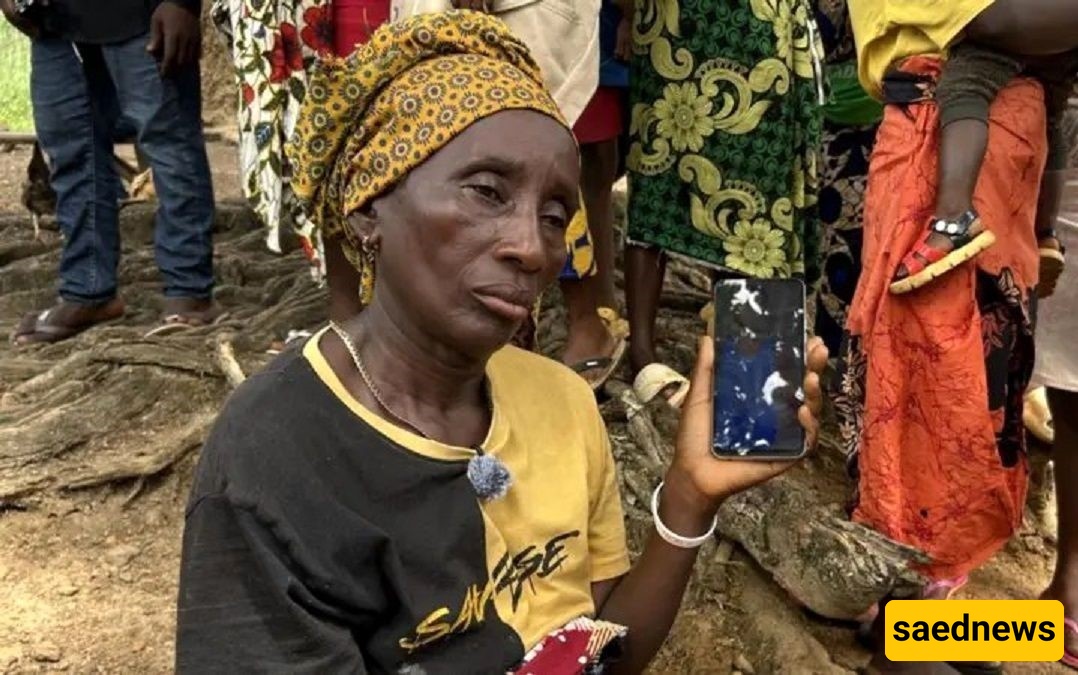
According to the Society Desk of the Saed News news and analysis website, Sixteen-year-old Mohammad Bangura and seventeen-year-old Yayah Jenne left their homes in Nimbado in eastern Sierra Leone, hoping to earn a little extra income for their families.
They had gone searching for gold—but never returned. The makeshift, unsafe pit where they were working collapsed on top of them.
This is the third deadly mining accident in the region in the past four years, bringing the total number of child fatalities to at least five.
The story of Mohammad and Yayah reflects a growing trend in parts of Sierra Leone, where many children are being pulled out of school and pushed into dangerous gold mining pits.
Eastern Sierra Leone has long been known for diamond mining, but as deposits decline, informal and artisanal gold mining has expanded in recent years.
In this mineral-rich land, wherever locals find traces of gold, mining begins—whether on farmland, in old burial grounds, or along riverbeds.
There are few formal mining companies, and in less profitable areas, unregulated pits—sometimes up to four meters deep—are scattered across the region.
Similar and equally dangerous mining conditions exist in many African countries, where fatal mine collapses are frequently reported.
Most families in Nimbado rely on small-scale farming and petty trade to survive. With few alternative job opportunities, even the smallest chance to earn money becomes tempting.
But villagers who gathered for the boys’ burial know the heavy price of this livelihood—the loss of two teenagers with promising futures.
Yayah Jenne’s mother, Namina Jenne, a widow supporting five other children, depended on her teenage son for income.
She admits she had introduced him to mining, saying: “He didn’t tell me he was going there. If I had known, I would have stopped him.”
When she heard about the collapse, she pleaded with others: “Call the excavator driver.”
She recalls: “When the driver arrived, he cleared the rubble that had buried the children.”
Yayah had been working in the mine to help support his mother and siblings.
His mother, grieving deeply, scrolls through photos of her son on a cracked phone screen—a bright-eyed boy who helped support the family.
A local child protection activist, Sahr Ansumana, took the reporter to the site of the collapsed pit.
He says: “If you ask some parents, they’ll say they have no choice. They’re poor, some have lost their husbands, and some are single caregivers.”
“They are forced into this work to survive and support their children. In fact, they even encourage them to go to the mines. We are under pressure and need help. The situation is alarming and getting out of control.”
Despite these warnings, nothing has stopped people from returning to the pits. The day after the burial, mining activity resumed—even children went back to work, sifting sand along the river or digging for traces of gold.
At one site, seventeen-year-old Kumba Sesay says he dreams of becoming a lawyer, but works in the mines to support his mother.
“There is no money, and we are trying to earn something. I work so I can enroll in school and sit my high school exams. I want to go back to school. I’m not happy here.”
His earnings are minimal—about $3.50 per week, less than half the national minimum wage. Still, he continues working in hopes of finding a rich vein of gold. On rare occasions, he has earned up to $35 from collected ore.
He is aware of the dangers. Several of his friends have been injured in collapses, but says mining is the only way he can earn any income.
It is not only students leaving school—teachers are also abandoning classrooms to work in the mines alongside their students.
A school principal in Nimbado says teachers earn far less than what they can make from gold mining.
Around mining sites, signs of rapid change are visible. Small camps that once existed have grown into expanding settlements over the past two years.
The government says it is addressing the issue.
Information Minister Chernor Bah told the BBC that the government remains committed to education but acknowledges serious challenges.
He said the country spends around 8.9% of its GDP on education—more than any other country in the region—covering teacher salaries, school feeding programs, and subsidies intended to keep children in school.
But on the ground, the reality is different. The urgent need to survive often overrides policy.
Charities and local activists are trying to keep children out of the mines and return them to school, but without stable income alternatives, the pits remain a powerful draw.
In Nimbado, the families of the two boys who died are left devastated.
It is not just the loss of two teenagers—it is the ongoing loss of opportunity for an entire generation.
“We need help. Not prayers. Not promises. Just help,” says Ansumana.