SAEDNEWS: This amaranth-family plant has long been cultivated in Iran, especially along northern garden edges. Though perennial, it is grown as an annual for its short stature and narrow, spoon-shaped leaves in olive-green and yellow.
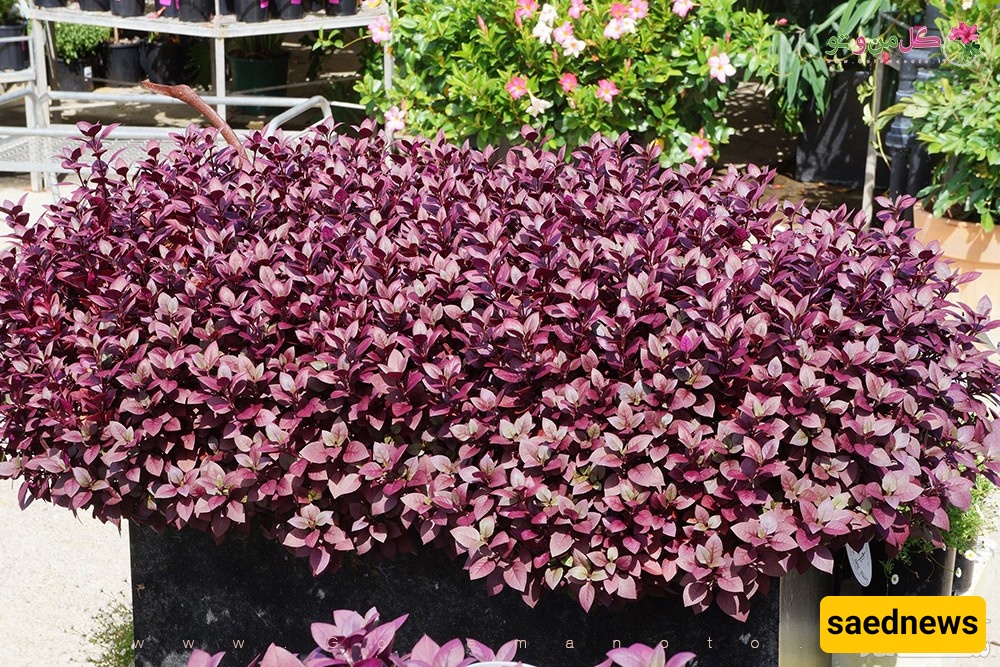
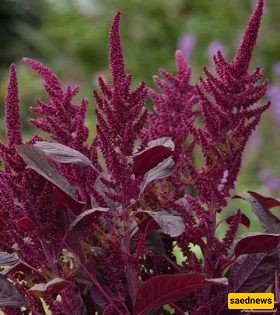
Achlantus is a plant from the Amaranthus family that has been cultivated in Iran for many years, particularly along the ornamental flower borders in the northern regions of the country. Although it is a perennial plant, it is usually grown as an annual. It is very short and is mainly cultivated for its narrow, spoon-shaped leaves, which have an olive-green and yellow coloration. The leaves are about 2.5 cm long and feature spots in red, purple, and bronze. Its flowers are white, inconspicuous, and appear on lateral spikes. Iranian gardeners traditionally refer to this plant as Achlantus.
Achlantus is sensitive to cold and requires moist soil with proper drainage. To achieve the best leaf coloration, it needs full sunlight.
Achlantus is propagated from seeds sown in spring. It can also be increased using softwood or green cuttings in late summer.
The plant is typically propagated by seed. In spring, the seeds are planted in the soil and lightly covered. Germination occurs in about two to three weeks. Alternatively, seeds can be started in trays in a greenhouse in early February and then transplanted to the main garden in spring when seedlings reach 8–10 cm in height.
Plants should be spaced approximately 30–40 cm apart.
Achlantus typically grows to 70–100 cm tall, and in some cases can reach up to 150 cm.
Seeds are covered with about 5 mm of soil after sowing.
Rich soil is recommended for optimal growth, although the plant can also thrive in poor soils. Using nutrient-rich soil enhances growth speed and overall plant health. Suitable media include leaf mold, coco peat, and peat moss.
Depending on geographic and climatic conditions, Achlantus begins flowering two to four months after sowing. The flowering period lasts approximately two to three months.
The ideal temperature for germination is 15–18°C. After growth, the plant thrives at 20–30°C.
The plant requires sufficient water for healthy growth. Soil should be kept consistently moist.
Full sunlight is essential, as the plant does not tolerate shade well. In shaded conditions, Achlantus produces weaker foliage and fewer flowers.
Common diseases include root rot and leaf spot, caused by Alternaria and Mycoplasma. Preventive measures include maintaining proper plant spacing, avoiding overhead watering, removing excess leaves and branches (without pruning the main shoot), and using fungicides as needed.
Key pests include Agrotis and Emmelia larvae, which damage seedlings, along with leaf-eating caterpillars, weevils, locusts, and aphids. Strong, healthy plants generally resist pests and diseases better than weak ones.
In many countries, Achlantus seeds are used in soups, harira, or bread. Sprouted seeds serve as a nutritious addition to salads. The leaves are edible as greens. Medicinally, the roots act as a mild laxative, seeds are used to expel intestinal worms, and to treat eye conditions and bloody diarrhea caused by amebiasis. In India, the plant is used as a diuretic and for wound healing.