SAEDNEWS: With its captivating sound and eye-catching shape, the handpan can effortlessly draw listeners into its enchanting melodies. In recent years, this unique musical instrument has gained remarkable popularity, attracting a growing number of enthusiasts around the world.
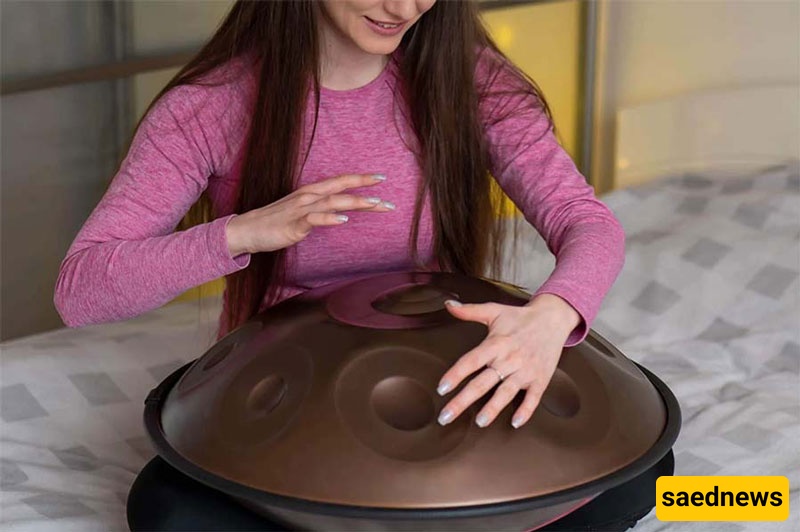
According to Saednews, The Hang, Handpan, Pantam, or Hang Drum is a melodic percussion instrument. Its distinctive appearance resembles two metal hemispheres joined together. With its unique and soothing sound, the instrument is widely used in meditation sessions and is particularly popular among yoga instructors and music therapists.
The Hang Drum, commonly referred to in English as the Hang or Handpan, belongs to the family of melodic percussion instruments. In this article, we will explore the structure, history, materials, scales, learning process, brands, pricing, and maintenance of this beautiful-sounding instrument.
Today, many musicians create beautiful melodies by playing the Hang Drum. Among them, Daniel Waples is regarded as one of the world's notable Hang Drum performers.
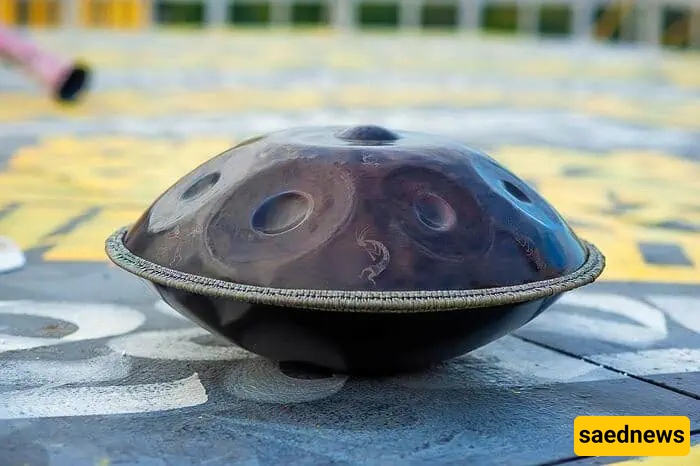
The Hang Drum is made from nitrided steel and traditionally measures approximately 52 centimeters in diameter and 24 centimeters in height. It consists of two main metal sections: an upper shell and a lower shell.
The upper part is called the Ding. It serves as the central tonal area and typically contains seven or eight notes. These notes are formed through carefully shaped indentations created during the manufacturing process.
The lower section contains a deep, tube-shaped opening called the Gu. This opening contributes to the instrument's resonance and can produce sound when the edges are struck.
The Hang Drum is played primarily with the fingers and hands. Players of handpans are sometimes referred to as handpan players or panists.
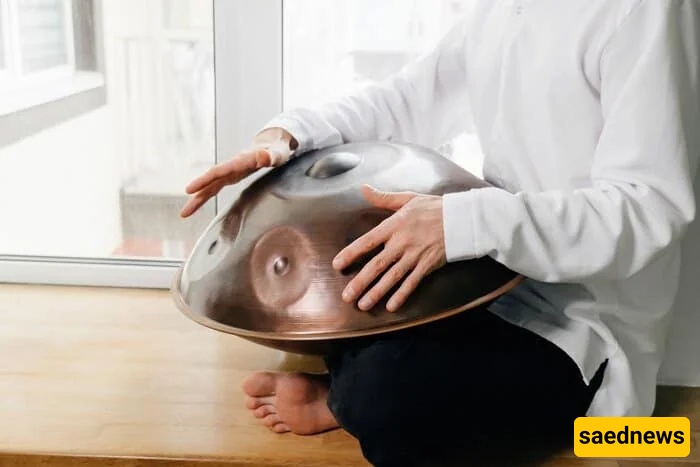
The original Hang was developed in 2000 in Bern, Switzerland, by Swiss instrument makers Felix Rohner and Sabina Schärer. They chose the name Hang for their creation and have expressed a preference for the instrument to be called by its original name rather than "Hang Drum."
A Hang Drum consists of two metal shells. Depending on the model and manufacturer, instruments may be made from different types of steel, including stainless steel, nitrided steel, and other specialized steel alloys.
The choice of metal has a significant effect on the instrument's tone, sustain, durability, and resistance to environmental conditions.
In traditional and common versions of the Hang Drum, the upper surface features one central Ding note surrounded by several additional notes arranged around the curved surface. While earlier instruments generally had fewer notes, modern handpan makers may produce instruments with considerably more tonal areas, sometimes up to 13 or more.
The Ding is generally the lowest note in the instrument's tonal range and provides the tonal foundation around which the other notes are arranged.
One of the most commonly encountered tunings for handpans is D minor. In a typical nine-note D-minor handpan, the central Ding is tuned to D, while the remaining notes are arranged around it.
Some common handpan scales include:
Aeolian (Minor)
Annaziska / Kurd (Minor)
Hijaz (Phrygian Dominant)
Jibuk (Mixolydian)
Romanian Hijaz (Dorian #4)
Sabye (Lydian)
Learning the Hang Drum generally takes several terms of regular practice. In approximately two terms, a beginner can become familiar with the fundamental playing techniques and basic principles of the instrument.
After roughly three additional terms of practice, students can begin playing several complete musical pieces. However, the exact learning time depends on the student's practice routine, musical background, sense of rhythm, and familiarity with hand percussion.
Some internationally known handpan and Hang Drum makers include Omaha, Yshama, and Meraki, among others.
In Iran, brands and makers mentioned in connection with Hang Drums include Unapan, Kitadram, Arshapantam, Iran Hang Drum, Homa, Panreshia, and Venda.
Because handpans are highly specialized instruments, the quality of tuning, craftsmanship, steel, sustain, and consistency can vary significantly between manufacturers.
The Hang Drum can be relatively expensive because its manufacturing process is complex, time-consuming, and highly specialized. There are comparatively few experienced handpan makers worldwide.
The appropriate metal and alloy must undergo extensive shaping, hammering, heating, and tuning. Depending on the manufacturing method, the instrument may require many hours or even several days of work.
Many high-quality Hang Drums are handmade in specialized workshops, and precise tuning is one of the most demanding parts of the production process.
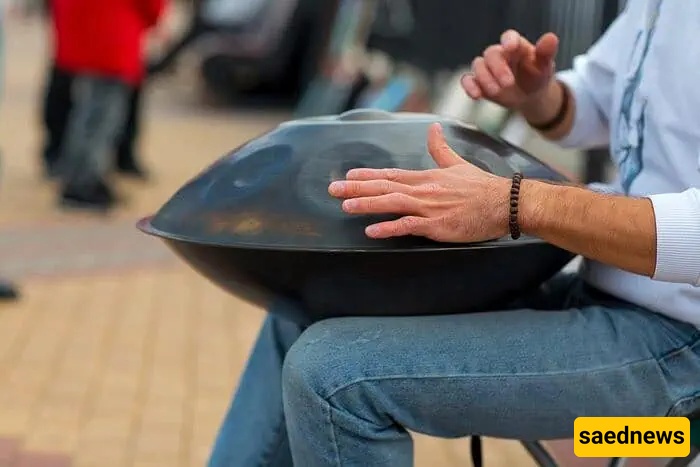
Avoid hitting the instrument with excessive force. The tuned areas and carefully shaped indentations on the surface can be delicate and may become damaged.
Do not wear rings or bracelets while playing. Jewelry can scratch the metal surface and affect the instrument's appearance.
Keep the Hang Drum away from excessive humidity and extreme heat or cold. Prolonged exposure to unsuitable environmental conditions can affect its tuning and potentially damage the instrument.
Use a suitable maintenance oil recommended for the specific type of metal used in your Hang Drum to help protect the surface from corrosion and environmental damage.
A well-made Hang Drum constructed from high-quality materials can have excellent durability when it is properly maintained and handled with care.
With quality craftsmanship and proper maintenance, a Hang Drum can remain a beautiful and reliable musical instrument for many years.