SAEDNEWS: This article takes a closer look at the natural fats found in vegetables and explores how healthy and reliable they really are.
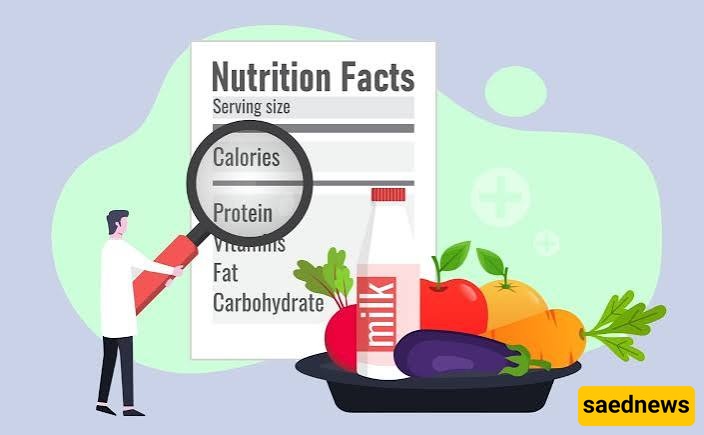
According to Saednews, When it comes to healthy eating, vegetables are almost always at the top of the list. Most people think of vegetables as sources of vitamins, minerals, and fiber, with virtually no fat. While this is largely true, the reality is a little more complex. Many vegetables contain tiny amounts of fat, and some plant foods contain healthy fats that benefit the body.
In recent years, growing interest in healthy eating has brought more attention to the fats found in food. Some people believe that any food containing fat, even in small amounts, is unhealthy. Others assume that vegetables play no role in providing the body with essential fats.
The truth is that most vegetables contain very little fat, often less than one gram per 100 grams. Some, such as spinach and lettuce, contain almost negligible amounts.
The small amount of fat naturally present in vegetables is part of their cellular structure. Plants need fats for growth, energy-related processes, and maintaining their cells. Unlike many highly processed foods, fresh vegetables generally contain no trans fats unless these are introduced during processing or preparation.
For people following a low-fat diet or trying to reduce their fat intake for medical reasons, vegetables are an excellent choice. Their low fat content and high fiber levels can help promote fullness and manage appetite.
The small amounts of fat found in vegetables are generally unsaturated fats, which are considered beneficial as part of a balanced diet. Unsaturated fats support heart and brain health and help the body absorb fat-soluble vitamins such as vitamins A, D, E, and K.
In vegetables, these fats are primarily part of plant cell membranes and play important roles in plant metabolism. Their composition and concentration differ considerably from those found in nuts, seeds, and oils.
Because vegetables contain so little fat, they should not be considered a significant source of dietary fat. However, their naturally occurring fats are not harmful in the amounts typically consumed.
So, if you believe you need to avoid vegetables that contain any fat to lose weight, there is no need to worry. Vegetables remain an excellent part of a healthy weight-management plan.
Although most vegetables are extremely low in fat, certain plant foods contain more fat than others.
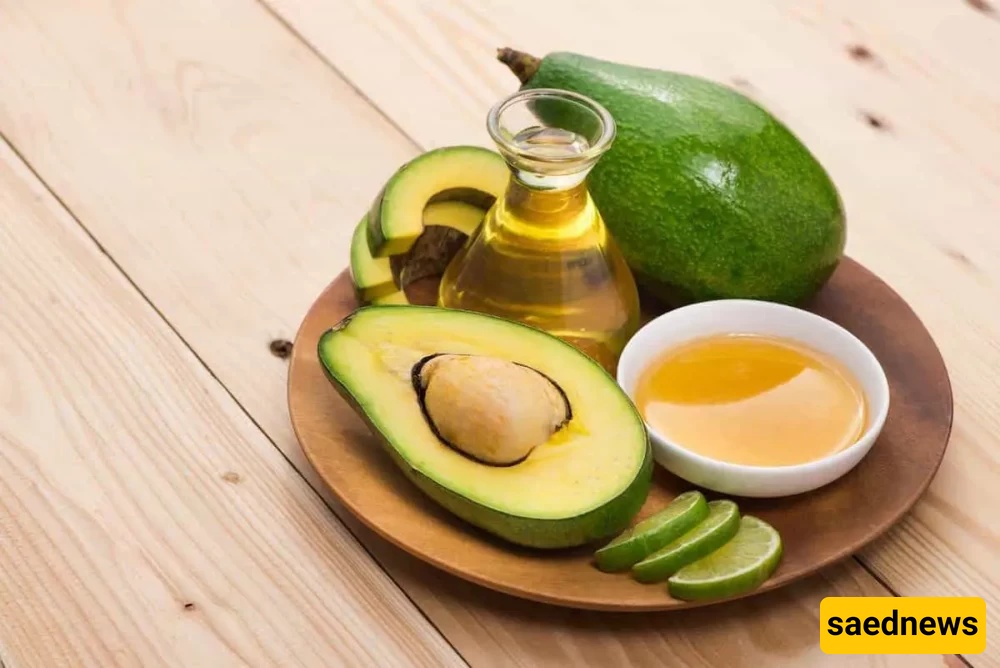
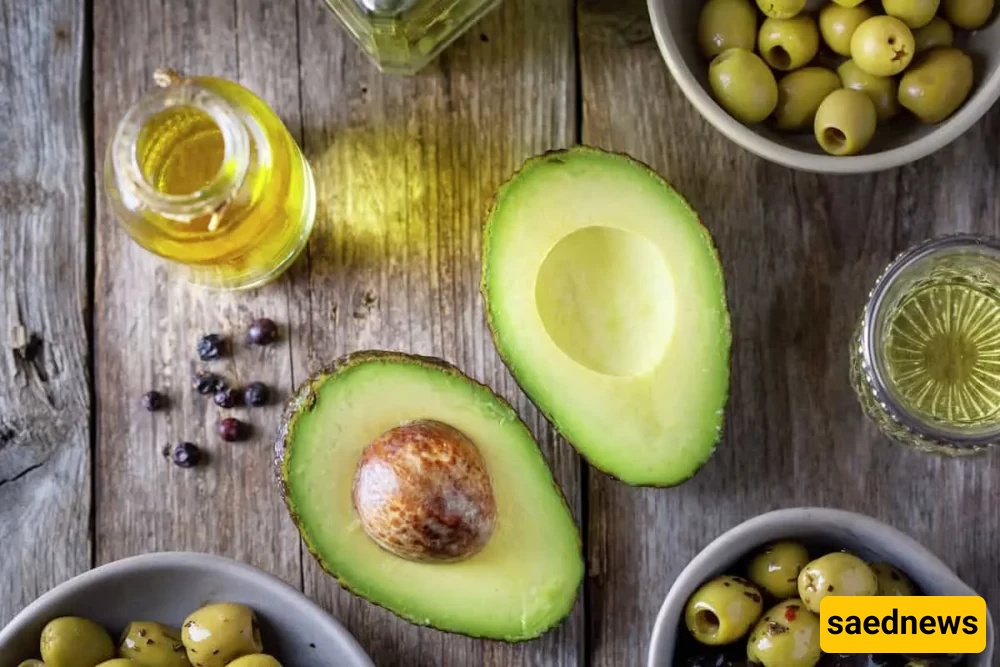
Avocados are a notable example. Botanically, avocados are fruits rather than vegetables, and they contain considerably more fat than most common vegetables. Their fat is predominantly monounsaturated, a type associated with heart health.
Olives are another example. Like avocados, they are fruits that contain relatively high amounts of fat compared with ordinary vegetables. Much of their fat is also monounsaturated.
Among more commonly classified vegetables, sweet corn, peas, okra, and some sprouted plant foods may contain slightly more fat than leafy greens. However, their fat content remains relatively low.
Strictly speaking, most vegetables are not considered high-fat foods. Avocados and olives are notable exceptions among plant foods commonly grouped with vegetables in everyday meals.
Many people become concerned about fat when trying to lose weight. This concern often stems from foods such as deep-fried snacks, highly processed products, and meals prepared with excessive amounts of oil, rather than the naturally occurring fat in vegetables.
The fat content of ordinary vegetables is so low that it contributes very little to their overall calorie content. In fact, vegetables can support weight loss because they are generally low in calories and rich in fiber, helping people feel full for longer.
When the body receives some healthy dietary fat, it can also absorb fat-soluble vitamins more effectively. Including vegetables alongside sources of healthy fat can therefore help support a balanced diet.
As long as vegetables are prepared sensibly and served with appropriate portions of added fats and sauces, they fit comfortably into most weight-loss plans.
Unsaturated fats from plant foods can support cardiovascular health, particularly when they replace saturated fats in the diet. Depending on the overall dietary pattern, replacing saturated fats with unsaturated fats can help lower levels of LDL, often called bad cholesterol.
Vegetables also provide antioxidants, vitamins, minerals, and fiber, making them valuable foods for people who want to protect their heart health.
Leafy green vegetables such as spinach, cabbage, and lettuce contain very little fat, but their broader nutritional benefits make them excellent additions to a heart-healthy eating pattern. Regular consumption can help support healthy weight management and overall well-being.
One important factor to consider is that vegetables naturally contain very little fat, but the way they are prepared can significantly change their final fat and calorie content.
When vegetables are fried or sautéed in oil, they absorb some of that fat, increasing their calorie content.
By contrast, steaming, boiling, or grilling vegetables with little or no added oil helps keep them relatively low in calories.
Seasonings, dressings, and sauces can also make a difference. Cream-based sauces and mayonnaise, for example, may add substantial amounts of fat and calories.
If your goal is to keep meals light and nutritious, choose simple cooking methods and use lighter dressings or modest amounts of oil.
Although vegetables are not major sources of dietary fat, they can indirectly support the body's use of healthy fats.
The body needs essential fatty acids for various vital functions, and these must be obtained through the diet. Vegetables contribute important vitamins, antioxidants, minerals, and other nutrients that complement the benefits of healthy fat sources.
Pairing vegetables with foods such as fish, nuts, seeds, or avocados can create a nutritionally balanced meal. For example, spinach served with salmon or a salad topped with avocado provides a combination of vitamins, minerals, fiber, and healthy fats.
Vegetables and healthy fat sources work well together, even for people who are trying to limit their overall fat intake.
The small amounts of fat naturally found in vegetables may contribute indirectly to skin health, although their contribution is limited.
Vegetables provide nutrients that support normal skin function, including beta-carotene, which the body can convert into vitamin A. When vegetables are eaten with sources of dietary fat, the body can absorb certain fat-soluble nutrients more effectively.
Leafy greens, carrots, broccoli, and peas are all nutritious choices that can contribute to a balanced diet supporting healthy skin.
Combining vegetables with healthy fat sources, such as seeds or olive oil, can further improve the absorption of certain nutrients. However, skin hydration and aging are influenced by many factors, and vegetables alone cannot prevent skin aging or treat skin conditions.
The small amount of fat in most vegetables, together with their high fiber content, contributes to their place in a balanced diet.
Dietary fat can influence how quickly food moves through the stomach, while fiber supports regular bowel movements and healthy digestive function. Vegetables are particularly valuable because they provide fiber without adding many calories.
Their low fat content also makes them a suitable choice for people who prefer lighter meals. However, the small amount of fat in vegetables is not enough to meet the body's essential fat requirements or reliably prevent constipation.
People following very restrictive diets that eliminate nearly all added fats should ensure they obtain sufficient essential fatty acids from appropriate dietary sources.
Yes, vegetables contain small amounts of naturally occurring fat, but most contain so little that they are considered very low-fat foods. Their main nutritional benefits come from fiber, vitamins, minerals, and antioxidants.
Avocados and olives contain considerably more fat than most vegetables, but their fats are predominantly unsaturated. For everyday meals, vegetables remain excellent choices for supporting heart health, digestion, skin health, and weight management.
The key is to enjoy a variety of vegetables and prepare them in ways that suit your nutritional needs, while including appropriate sources of healthy fats in a balanced diet.