SAEDNEWS: Beetroot juice is highly nutritious due to its powerful pigments and natural sugars, but it is also prone to rapid fermentation and changes in flavor. To preserve it properly, choose one of the following storage methods depending on how long you intend to keep it.
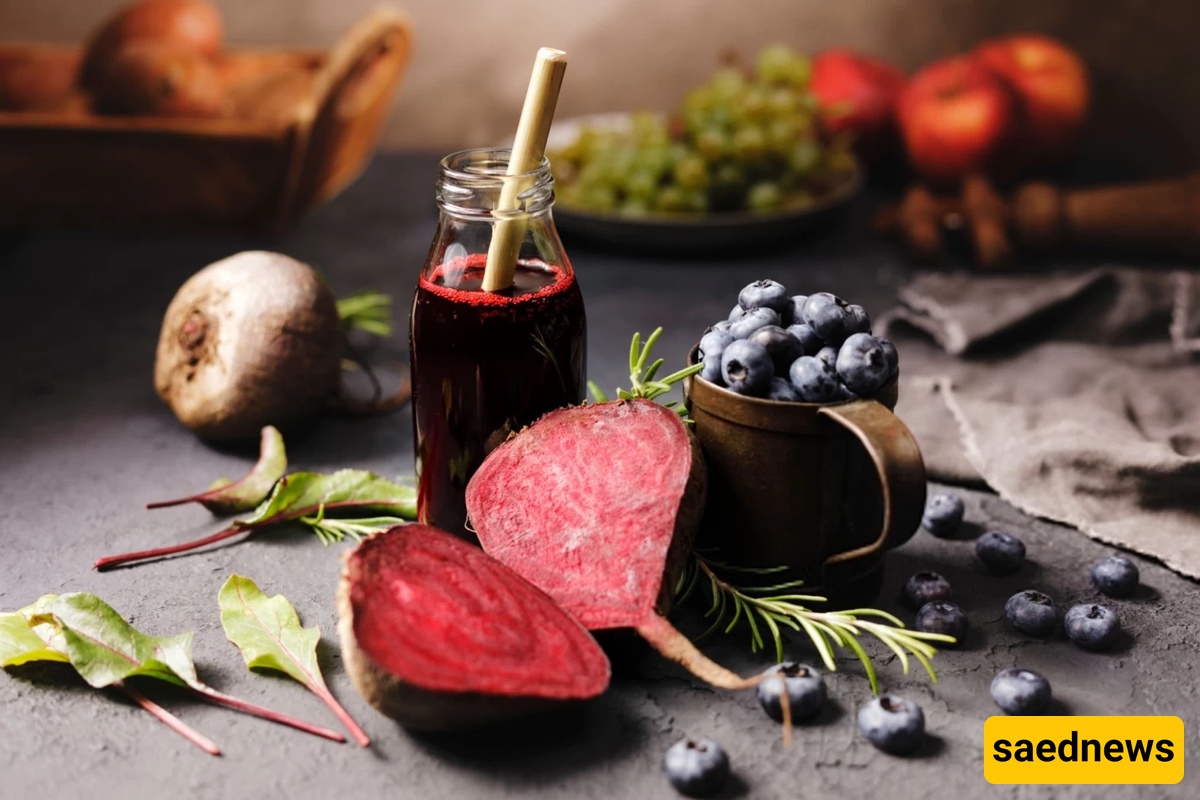
According to Saednews, Beetroot juice is a popular cold-season drink, loved for its vibrant color, naturally sweet taste, and the warmth it brings to mind during winter. However, like many homemade beverages, it can spoil quickly if not stored properly. It may develop an unpleasant smell, turn sour, or lose its bright red color and become dull or brownish. Sometimes, a layer may even form on the surface, making the juice unappealing to drink.
To keep beetroot juice fresh and flavorful for several days, it is important to follow a few simple but essential steps. From the moment the beets are cooked until the juice is placed in the refrigerator or freezer, cooling speed, container type, exposure to air, and cleanliness all play an important role. This guide explains how to store beetroot juice properly to preserve its color, flavor, and quality.
Beetroot juice contains water, natural sugars, pigments, minerals, and various plant compounds. Its natural sugar content can encourage microbial growth and fermentation if the juice is left at room temperature. As a result, homemade beetroot juice can turn sour relatively quickly when it is not refrigerated.
The juice's distinctive red color also depends on pigments that are sensitive to heat, light, and oxygen. Leaving the juice uncovered for too long or boiling it excessively can cause its color to darken and become dull.
Proper storage is therefore essential for both preventing spoilage and preserving the juice's natural color and flavor.
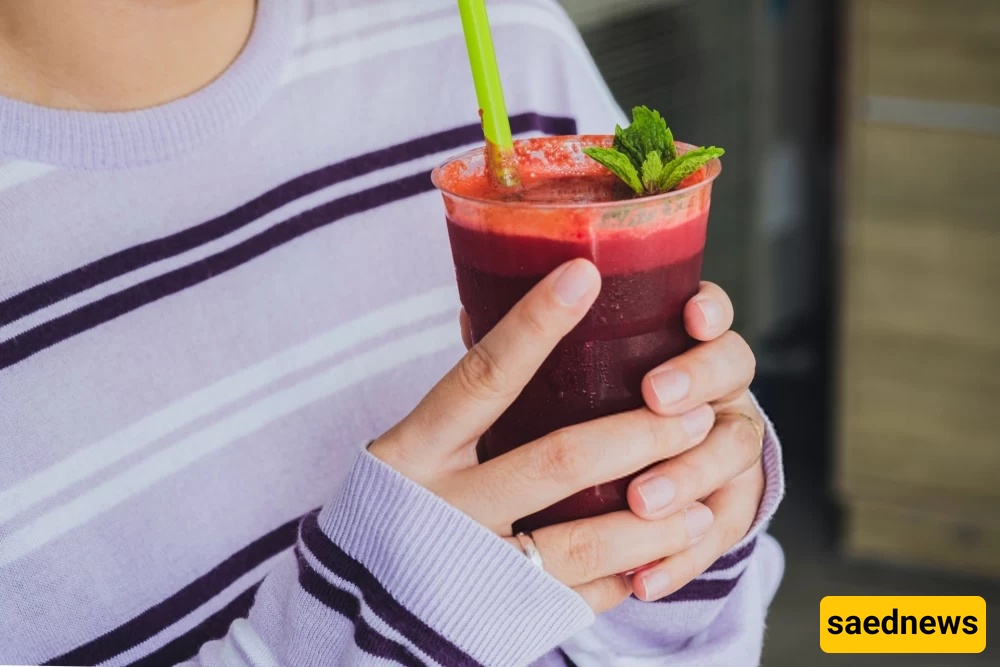
To extend the freshness of beetroot juice, keep these basic principles in mind:
Cool it quickly: Leaving the juice warm for too long can encourage bacterial growth and spoilage.
Use clean containers: Glass bottles or jars with tight-fitting lids are ideal for reducing exposure to air and preventing unwanted odors.
Store it in small portions: Smaller containers allow you to open only what you need while keeping the remaining juice sealed.
Freeze it for longer storage: Freezing is a practical option when you want to preserve beetroot juice for several months.
The best storage method depends on how soon you plan to use the juice.
Refrigeration is suitable when you plan to drink the juice within a few days.
Pour the juice into clean glass bottles or jars. Dark-colored glass can help protect it from light.
Close the lids tightly to limit oxidation.
Refrigerate the juice promptly after it has cooled.
If you do not have a container with a lid, cover the surface with food-safe plastic wrap to reduce air exposure.
Avoid storing beetroot juice in the refrigerator door, where temperatures fluctuate more frequently. Instead, place it on a middle or lower shelf, where the temperature is generally more stable.
Whenever you want to drink the juice, remove only the amount you need and close the container again promptly. Repeated exposure to air and temperature changes can reduce its quality.
Helpful tip: Divide the juice into individual servings before refrigerating it. For example, you could pour four cups of juice into four separate 250 ml glass bottles. This way, you only open the portion you intend to consume.
When prepared with clean equipment, cooled promptly, and stored in a sealed container at 4°C (40°F) or below, homemade beetroot juice is best consumed within approximately 2–3 days.
Some people keep it for up to four days, but shorter storage is preferable for quality and food safety.
Discard the juice if you notice an unusual sour or fermented smell, excessive bubbling, unexpected foam, or other signs of spoilage. Do not taste juice to determine whether it is safe if you suspect it has spoiled.
One common mistake is leaving the juice in the cooking pot and placing the entire pot in the refrigerator. Large volumes cool more slowly, and pot lids may not seal tightly. Transferring the juice into smaller, clean containers allows it to cool more efficiently.
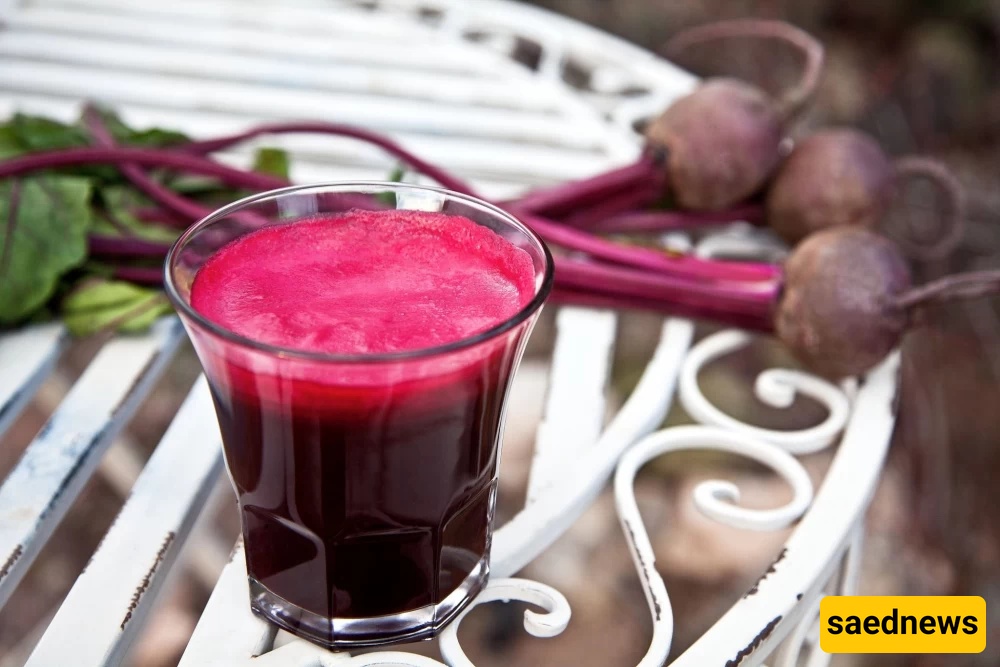
Freezing is a convenient way to preserve beetroot juice for several months.
After preparing the juice, cool it promptly and refrigerate it if necessary before transferring it to freezer-safe containers. Do not leave it at room temperature for an extended period while waiting for it to cool.
Choose a suitable packaging method:
Ice cube trays: Pour the juice into clean ice cube trays and freeze until solid. Transfer the frozen cubes to a sealed freezer bag or airtight container. This method is especially useful for adding small amounts to smoothies, soups, or other recipes.
Freezer-safe containers: Pour the juice into sturdy, airtight containers designed for freezing.
Freezer bags: Use food-safe freezer bags and remove as much excess air as possible before sealing.
Leave approximately 2–3 cm of headspace in rigid containers to allow the liquid to expand as it freezes. Follow the container manufacturer's instructions when determining how much space to leave.
For the best quality, aim to use frozen beetroot juice within 1–2 months. It may remain safe for longer when continuously frozen at -18°C (0°F) or below, but its flavor and color can gradually deteriorate. A storage period of four to six months may be possible for quality purposes, although the juice may not taste as fresh.
Before storing the juice, strain it through a clean fine-mesh strainer if you want to remove pulp, foam, and small particles.
These particles can affect the juice's appearance and texture, although their presence alone does not necessarily mean that the juice will spoil faster.
Pour the strained juice into a clean bottle or jar, seal it tightly, and refrigerate it promptly if you plan to consume it soon.
For freezing, divide the juice into single-use portions, such as one or two cups per container. This prevents you from repeatedly thawing and refreezing the same batch, which can compromise quality and increase food-safety risks.
For the best flavor and color, try to consume frozen beetroot juice within one to two months.
To help maintain its quality:
Seal containers tightly to prevent air exposure.
Remove excess air from freezer bags before sealing them.
Label each container with the freezing date.
Keep the juice continuously frozen at -18°C (0°F) or below.
Freezing slows microbial growth, but it does not make improperly handled juice safe. Always use clean equipment and refrigerate or freeze the juice promptly after preparation.
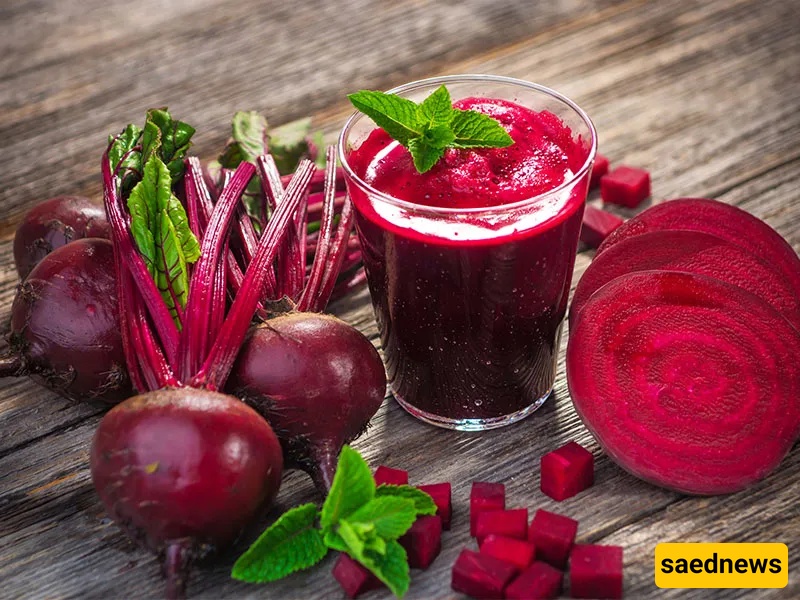
Proper thawing is just as important as proper storage.
The safest method is to transfer the frozen juice from the freezer to the refrigerator and allow it to thaw gradually.
If you need to thaw it more quickly, place the sealed container in cold water. Avoid thawing beetroot juice at room temperature, especially for several hours, because the outer portions may warm up enough to allow microorganisms to multiply.
Once thawed, stir the juice thoroughly. Natural separation or sediment may occur during freezing, and stirring can help restore a more uniform consistency.
Do not refreeze juice that has been thawed in the refrigerator if you want to avoid quality loss. From a food-safety perspective, however, juice thawed safely in the refrigerator can generally be refrozen, although its flavor and texture may deteriorate. Never refreeze juice that has been left at unsafe temperatures for an extended period.
The ideal storage method depends on when you plan to drink your beetroot juice.
For short-term use, store it in clean, airtight glass containers in the refrigerator at 4°C (40°F) or below and consume it within two to three days for the best quality.
For longer storage, freeze the juice in ice cube trays, freezer bags, or airtight freezer-safe containers. Leave enough room for expansion, label the containers with the date, and aim to use the juice within one to two months for optimal flavor and color.
By cooling the juice promptly, limiting exposure to air, using clean containers, and choosing the right storage method, you can preserve the freshness and natural appeal of beetroot juice for longer.
Clean, airtight glass bottles are a good choice for refrigeration, while freezer-safe containers and ice cube trays are more practical for long-term storage. Regardless of the container you choose, maintaining a safe temperature and handling the juice hygienically are the most important factors in keeping it fresh.