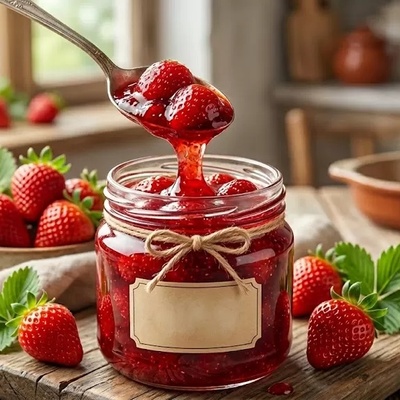
SAENDEWS: The Most Delicious Bright Red Strawberry Jam Without Resting time
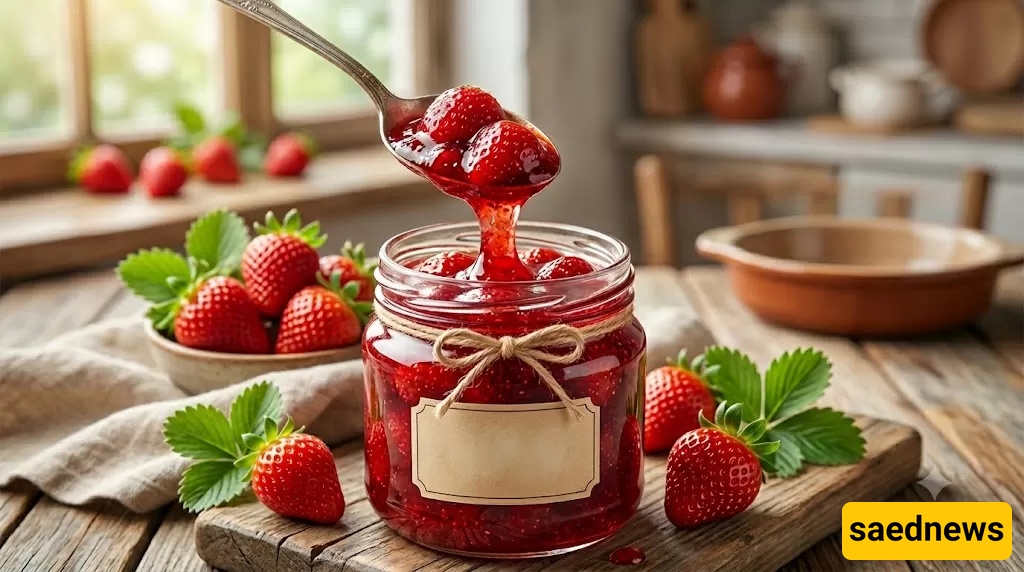
According to Saednews, Strawberry jam is one of the most popular homemade preserves, loved for its vibrant color, delightful aroma, and sweet flavor. Many traditional recipes recommend leaving strawberries and sugar in the refrigerator for several hours or overnight to allow the fruit to release its juices. However, if you are short on time, you can make delicious strawberry jam without this resting period.
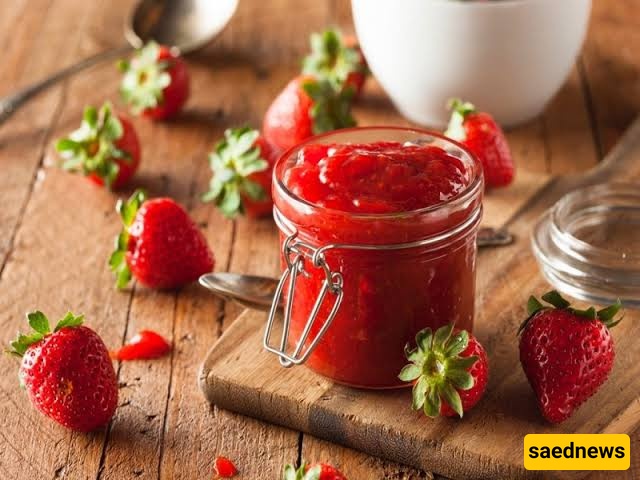
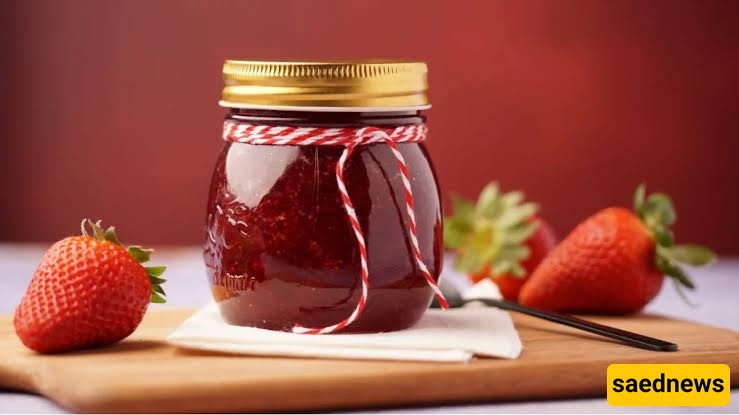
This quick method produces clear, thick, beautifully colored jam that is perfect for breakfast, desserts, cakes, and pastries.
Ingredient | Quantity |
|---|---|
Fresh strawberries | 1 kg (2.2 lbs) |
Sugar | 700–800 g (3½–4 cups, approximately) |
Fresh lemon juice | 2 tablespoons |
Vanilla (optional) | A pinch |
Wash the strawberries thoroughly and place them in a colander to drain. Remove the leaves and green tops, then cut larger strawberries into halves or quarters.
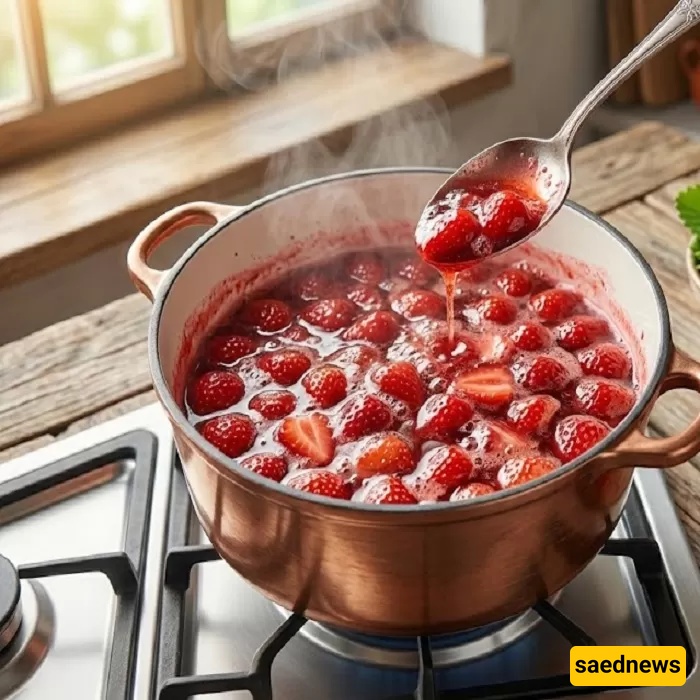
Place the chopped strawberries in a heavy-bottomed stainless steel or enamel-coated pot. Sprinkle the sugar over the fruit and immediately place the pot over low heat. Unlike traditional methods, there is no need to let the mixture rest before cooking.
As the mixture heats up, the strawberries will gradually release their juices. Stir gently every few minutes to help the sugar dissolve completely and prevent it from sticking to the bottom of the pot.
Once the mixture begins to boil, a pink foam will appear on the surface. Skim it off with a spoon. Removing the foam helps produce a clearer syrup and may improve the jam's quality during storage.
When the syrup begins to thicken slightly, add the lemon juice. It helps balance the sweetness, supports the jam's setting process, and helps preserve its color.
To check whether the jam is ready, place a small amount of syrup on a chilled plate. If it does not spread too quickly and develops a slightly thick, syrupy consistency, the jam may be ready.
Turn off the heat and allow the jam to cool. Transfer it to clean, dry, sterilized jars and store it in the refrigerator.
Use fresh, firm, and undamaged strawberries.
Keep the pot uncovered throughout cooking.
Avoid excessively low heat that prolongs cooking, as well as unnecessarily long cooking times.
Skim off the foam thoroughly.
Add the lemon juice toward the end of cooking.
Sugar crystallization usually occurs when the sugar concentration is too high, the syrup becomes excessively concentrated, or there is insufficient acidity. Using the appropriate sugar-to-fruit ratio and adding lemon juice near the end of cooking can help reduce the likelihood of crystallization.
Strawberries are a good source of vitamin C, antioxidants, and beneficial plant compounds. Although some of these nutrients decrease during cooking, strawberry jam remains a flavorful option for breakfast and snacks. However, because it contains added sugar, it is best enjoyed in moderation.
Yes. You can use alternatives such as stevia or honey, depending on your preferences. However, these alternatives behave differently from sugar during cooking. Chia seeds or pectin can help achieve a thicker consistency.
Note: Sugar-free or reduced-sugar jam generally has a shorter shelf life and should be refrigerated or frozen according to a tested recipe.
When stored in sterilized jars in the refrigerator, homemade strawberry jam may retain good quality for approximately two to three months, depending on its preparation and storage conditions. This is not a guarantee of safety; for longer storage at room temperature, use a tested canning recipe and follow proper processing instructions.
The most common reasons include prolonged cooking, excessive heat, and using unsuitable cookware. Cooking the jam for an appropriate amount of time and using a suitable heavy-bottomed pot can help preserve its bright red color.
Making strawberry jam without resting the fruit is a quick and convenient way to prepare a delicious homemade preserve. By choosing fresh strawberries, using the right amount of sugar, removing the foam, and adding lemon juice at the appropriate stage, you can create fragrant, flavorful jam with an attractive color and satisfying consistency.
It is an excellent accompaniment to breakfast and a delicious addition to desserts, cakes, and pastries.