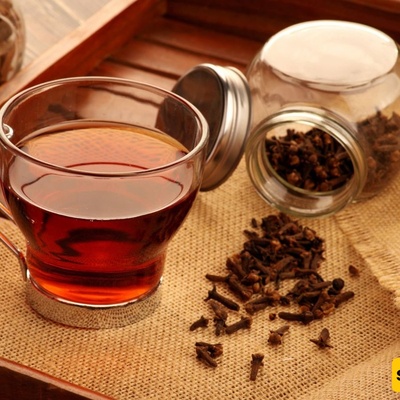
SAEDNEWS: Clove tea is a simple, aromatic, and versatile herbal infusion. This article explores how to prepare it, its potential health benefits, and important safety precautions.
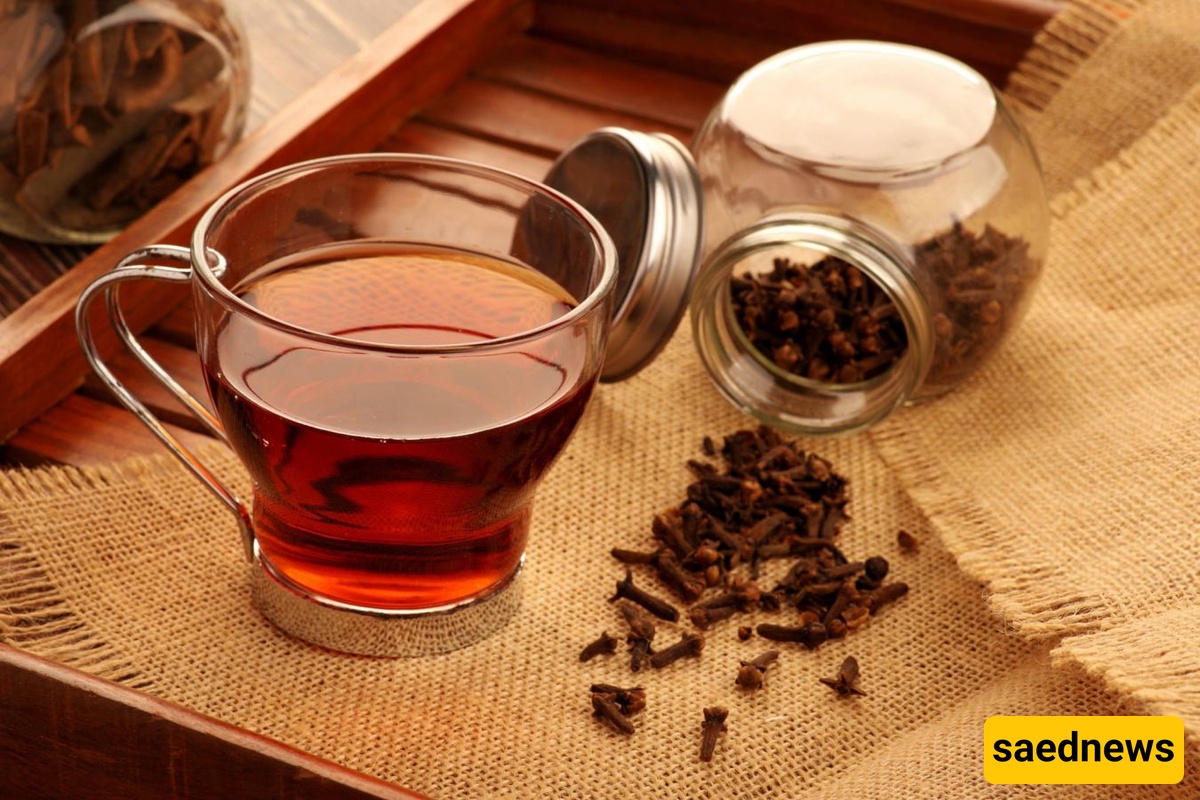
According to Saednews, Clove tea is a simple, aromatic herbal infusion enjoyed in many cultures. It is made by steeping dried clove buds in hot water. Known for its warm aroma and mildly spicy flavor, this beverage is popular among people who enjoy herbal drinks.
In this article, we explain how to make clove tea step by step, including the ingredients, different brewing methods, potential benefits, possible side effects, and recommended serving amounts.
Cloves are the dried flower buds of the clove tree. They are commonly used whole or ground in cooking and herbal infusions. Clove tea is prepared by steeping the buds in hot water and can be enjoyed on its own or with ingredients such as honey, lemon, cinnamon, and ginger.
Its popularity comes from its distinctive aroma, warming flavor, and comforting drinking experience. Some people enjoy it after meals, during colder weather, or as part of a blend with other herbal teas.
However, clove tea should be considered a complementary herbal beverage, not a substitute for medical treatment.
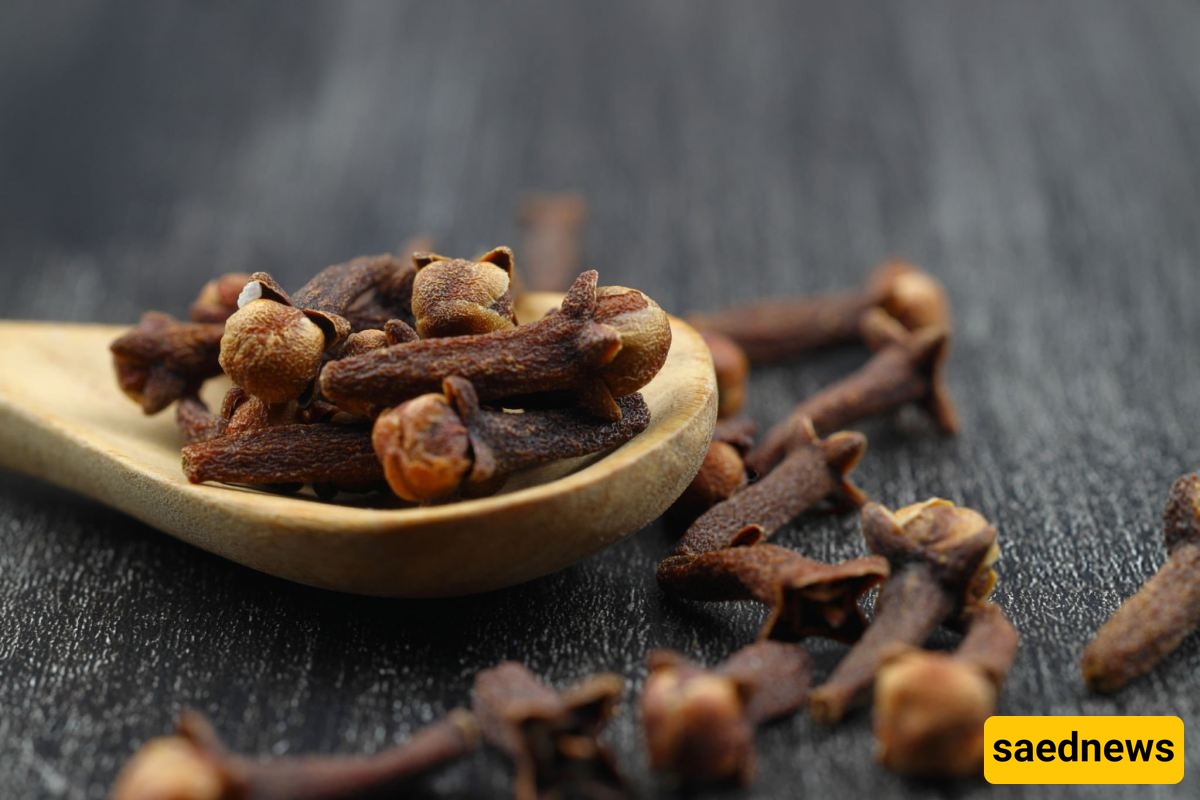
You only need a few basic ingredients to prepare clove tea. The quality of the cloves and the freshness of the water play an important role in the final flavor and aroma.
Fresh water: 250 ml (about 1 cup)
Whole dried cloves: 1–2
Honey or sugar: to taste, optional
Fresh lemon juice: a few drops, optional
Cinnamon stick or fresh ginger: optional
Fresh water: 500 ml (about 2 cups)
Whole dried cloves: 3–4
Cinnamon: one small piece, optional
Honey or lemon: to taste
Tip: Cloves have a strong flavor, so using too many can make the tea overly spicy or bitter. Start with a small amount and adjust according to your preference.
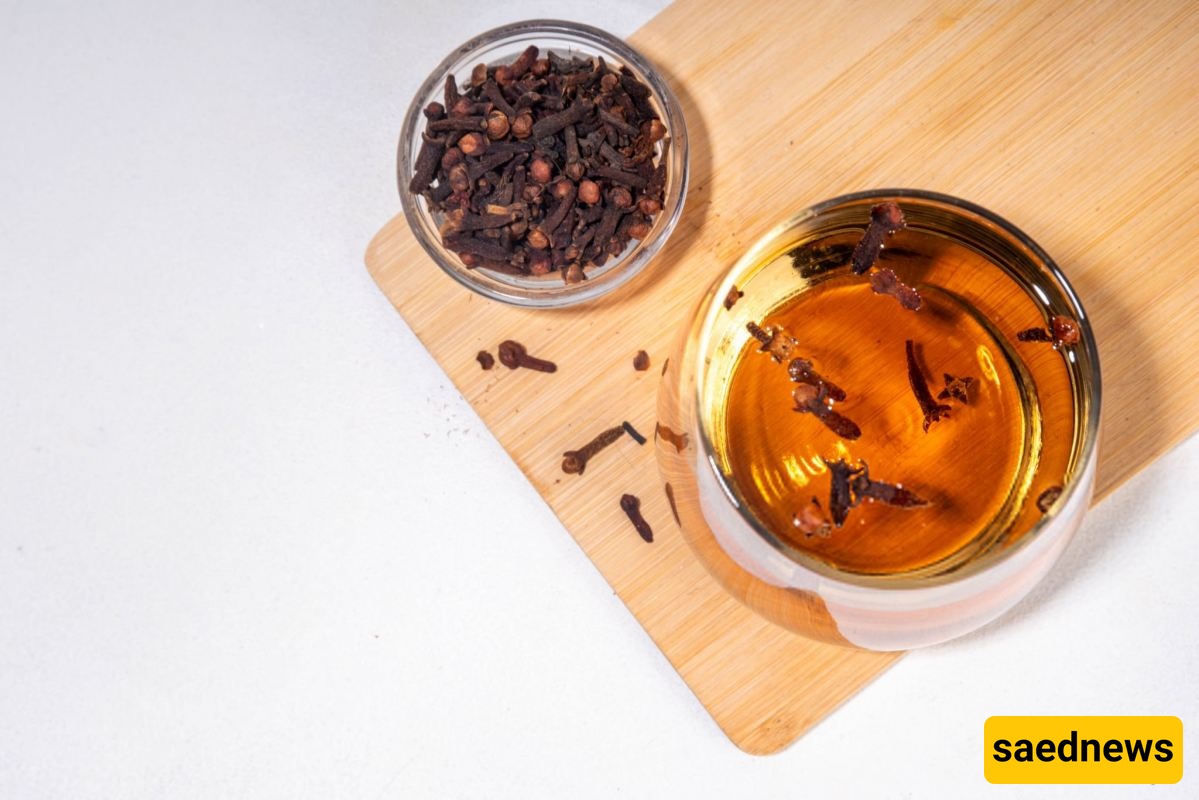
Choose a clean cup or teapot with a lid. Glass or ceramic containers work well.
Check that the cloves are intact, have a good color, and smell fresh. If desired, gently crush them with the back of a spoon to release more aroma. There is no need to grind them into a powder.
Pour fresh water into a suitable pot and bring it to a boil. Fresh water can help produce a cleaner flavor.
Once the water boils, reduce the heat slightly.
Place the cloves in your cup or teapot and pour the hot water over them.
Cover the cup or teapot and allow the cloves to steep for 5–10 minutes.
A longer steeping time produces a stronger flavor and aroma, but steeping for too long may make the tea bitter. For your first attempt, 5–7 minutes is a good starting point.
Strain the tea to remove the cloves, then serve it warm or allow it to cool slightly.
If desired, add a little honey, lemon juice, or another sweetener. Honey can be added once the tea has cooled slightly. If you find the flavor too strong, reduce the number of cloves next time.
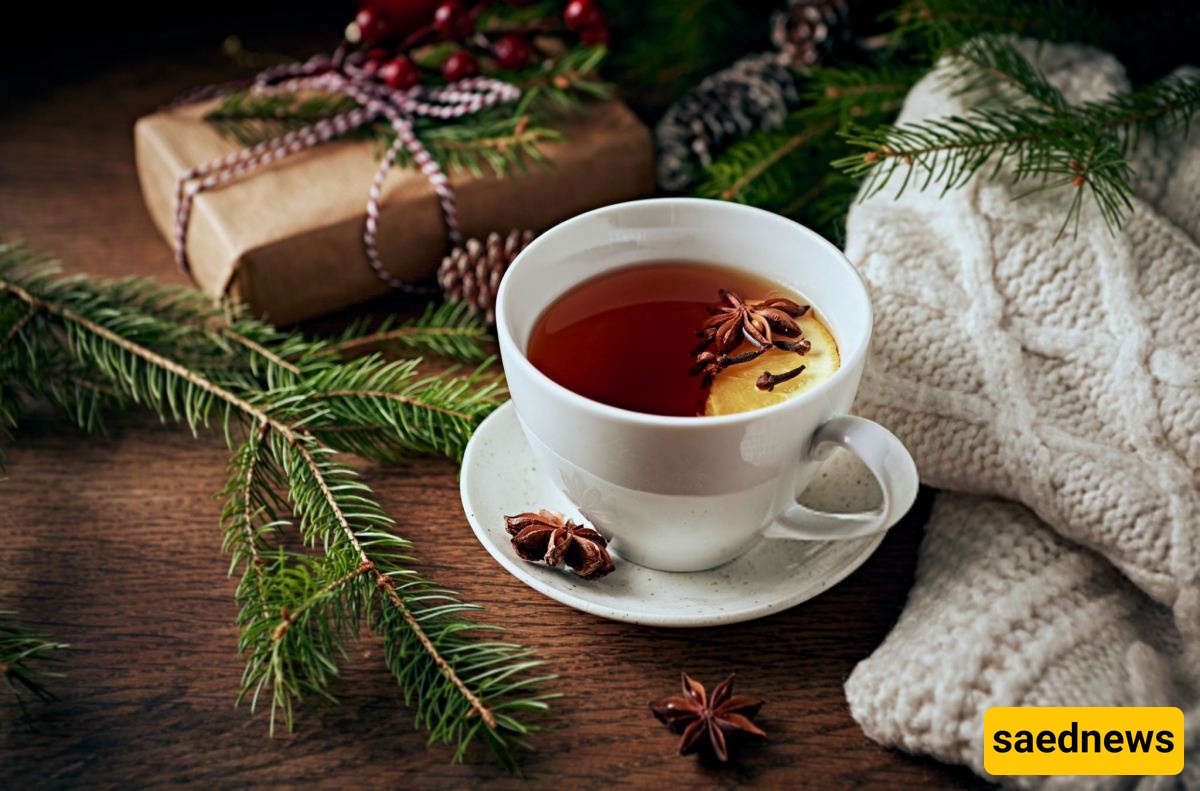
Clove tea can be combined with other ingredients to create different flavors.
After steeping the cloves, add a few drops of fresh lemon juice and a little honey. The warm, spicy flavor of cloves blends well with the tartness of lemon and the sweetness of honey.
This combination is especially enjoyable during colder weather or after a meal.
Add a small piece of cinnamon to the water along with the cloves. Cinnamon gives the infusion a warmer, sweeter aroma and complements the flavor of cloves.
Use a small amount so that the cinnamon does not overpower the other ingredients.
Combine the cloves with a few thin slices of fresh ginger for a warming, spicy infusion.
This blend is suitable for people who enjoy bold flavors. If you have digestive problems or take medication, consult a healthcare professional about regular ginger consumption.
Add one clove to your usual green or black tea while it steeps. This gives the drink a subtle, spicy aroma.
Avoid using too many cloves, as their strong flavor can overwhelm the tea. One clove per cup is generally a good starting point.
Prepare clove tea using the usual method, then refrigerate it until chilled.
Serve over ice with lemon and a little honey, if desired. This refreshing version is suitable for warmer weather.
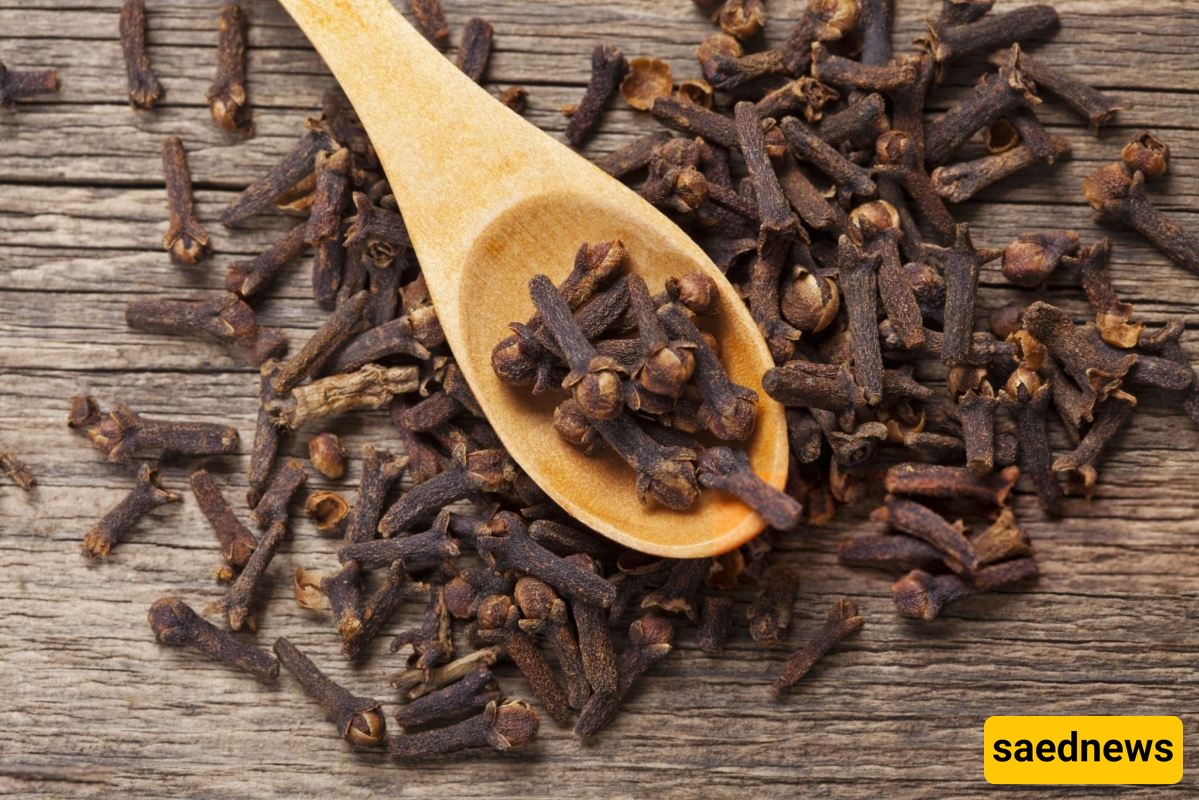
Follow these simple tips to improve the flavor and aroma of your tea:
Use whole cloves: Ground cloves lose their aroma more quickly and may make the tea cloudy.
Use fresh water and a clean container: Residue from previous drinks can affect the flavor.
Cover the cup while steeping: This helps preserve the cloves' aroma.
Control the steeping time: Five to ten minutes is usually sufficient.
Adjust the amount to your taste: Cloves have a powerful flavor, and excessive amounts may make the tea unpleasant.
Drink it fresh: Prolonged refrigeration may reduce its flavor and aroma.
Avoid prolonged boiling: Extended boiling can release more bitter-tasting compounds.
Cloves contain compounds such as eugenol, which have been investigated in laboratory studies and some limited research. Studies suggest that cloves may have antioxidant and anti-inflammatory properties.
In traditional medicine, cloves have also been used to support digestion, relieve certain digestive discomforts, and help address bad breath. However, many of these traditional uses lack strong clinical evidence, and further research is needed to establish their effectiveness in humans.
Clove tea should not replace medical treatment. If you have an underlying medical condition or take medication, consult a healthcare professional before drinking it regularly.
Clove tea consumed in modest amounts is generally considered safe for many healthy adults, but some precautions are important.
Excessive consumption: Cloves contain eugenol, and large amounts may irritate the mouth, throat, or stomach. One to two cloves per cup is a modest starting amount.
Clove oil: Concentrated clove oil is very different from clove tea. Swallowing it without professional guidance is not recommended, particularly because it can be dangerous for children.
Children: Avoid giving clove tea to young children unless a healthcare professional recommends it.
Pregnancy and breastfeeding: Consult a healthcare professional before consuming clove tea regularly during pregnancy or breastfeeding.
Blood-thinning medications: Certain compounds in cloves may affect blood clotting. If you take anticoagulants or other blood-thinning medication, seek medical advice before regular consumption.
Digestive conditions: If you have stomach ulcers, severe acid reflux, or a sensitive digestive system, limit strong or spicy herbal infusions.
Allergic reactions: Stop drinking the tea if you experience symptoms such as itching, swelling, or other signs of an allergic reaction. Seek urgent medical help for difficulty breathing or swelling of the throat.
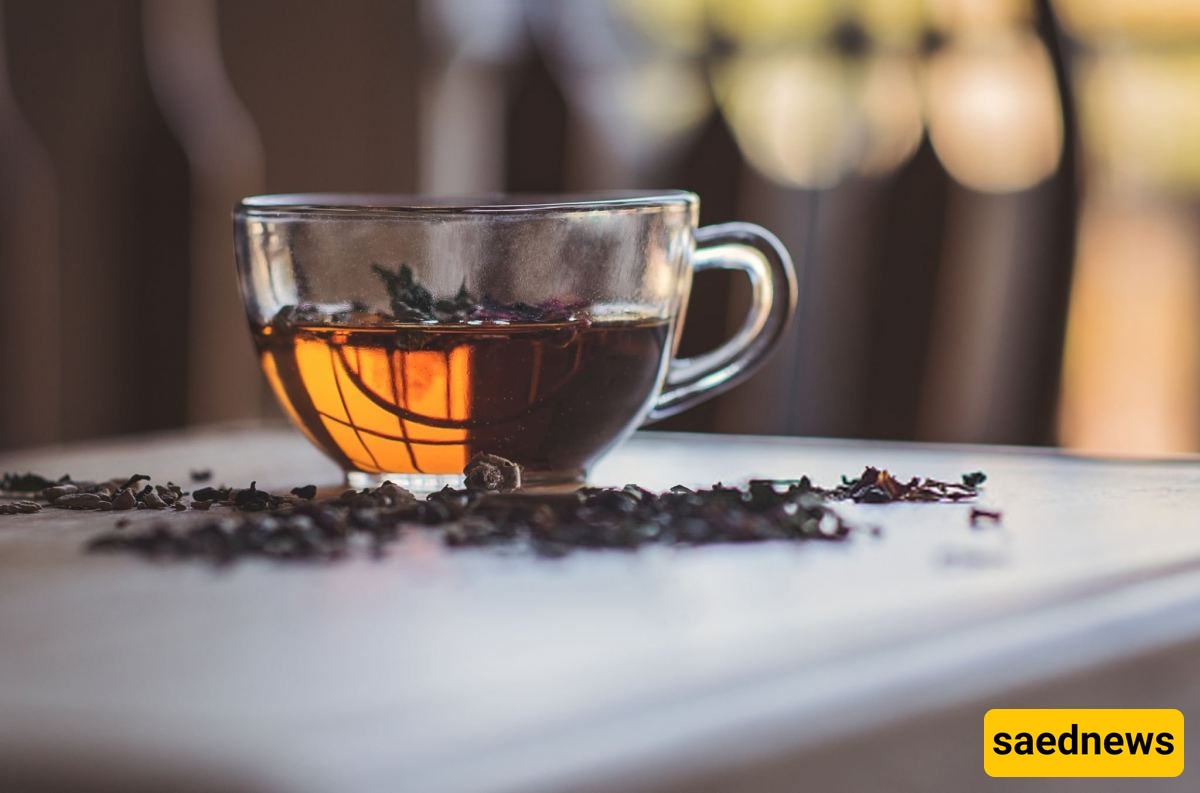
For many adults, one or two cups per day prepared with a small number of cloves may be a reasonable, moderate amount. However, there is no well-established, clinically validated daily dosage for clove tea.
Avoid excessive or concentrated preparations, and pay attention to how your body responds. If you take medication or have a medical condition, ask your healthcare professional about an appropriate amount and frequency.
Yes, but ground cloves lose their aroma more quickly and may make the tea cloudy. Whole cloves are generally preferable.
Five to ten minutes is usually sufficient. Steeping it for longer may result in a bitter flavor.
Yes. After brewing, refrigerate the tea until chilled and serve it with ice and lemon if desired.
No. Honey is optional. Clove tea can be enjoyed without any sweetener.
No. Clove tea is an herbal beverage and should not replace prescribed medication or medical treatment.
Making clove tea is simple: boil fresh water, add one or two cloves to a cup or teapot, cover and steep for 5–10 minutes, then strain and serve. You can add honey, lemon, cinnamon, or ginger to create different flavor combinations.
By using moderate amounts and following basic safety precautions, you can enjoy the distinctive aroma and warming flavor of this herbal infusion. If you are pregnant, have an underlying medical condition, or take medication, consult a healthcare professional before making clove tea part of your regular routine.