SAEDNEWS: Liquid kashk is a traditional dairy product that many people boil without understanding the scientific reasons behind this practice. This article explains how this simple step plays a vital role in preventing illness and improving food quality.
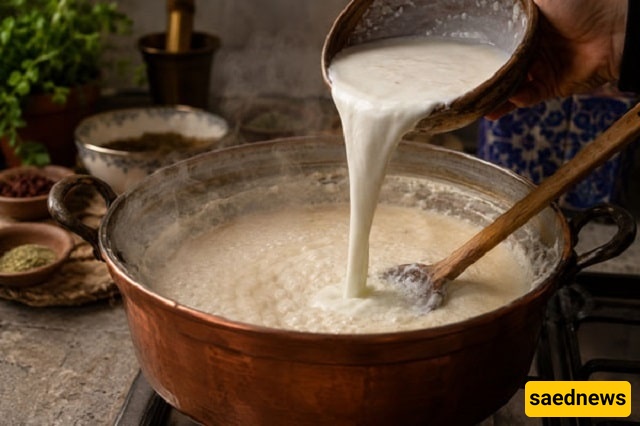
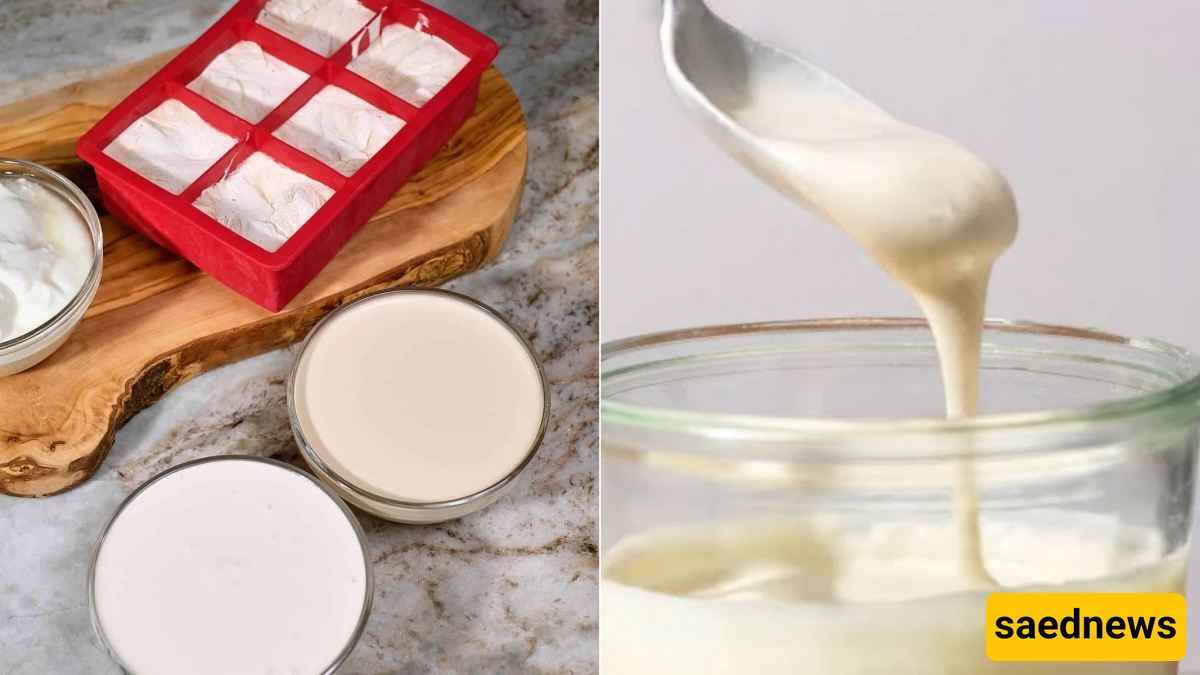
According to Saednews, Liquid kashk is a dairy product made by processing dried kashk or concentrated buttermilk. It is produced both industrially and through traditional methods. Depending on the production process, it may contain live microorganisms, active enzymes, and environmental contaminants. Even pasteurized kashk can become contaminated after its packaging is opened. Therefore, boiling liquid kashk before adding it to food is an important precaution that can be explained for several reasons.
One of the main reasons for boiling kashk is to protect against disease-causing bacteria, particularly Clostridium botulinum. This anaerobic bacterium can grow in oxygen-free environments, such as improperly packaged products or traditionally prepared kashk stored in sealed containers. It produces a highly dangerous toxin that causes botulism, a serious illness that can lead to respiratory muscle paralysis and even death.
Boiling liquid kashk at temperatures above 100°C can destroy many bacteria, but ordinary boiling does not reliably eliminate bacterial spores. Although botulinum toxin is heat-sensitive, boiling for a few minutes should not be considered a reliable way to make improperly processed or contaminated kashk safe. Proper production, storage, and handling are essential to prevent potentially fatal food poisoning.
During production, packaging, transportation, and storage, liquid kashk may become contaminated with bacteria such as Escherichia coli, Salmonella, and Staphylococcus aureus. Contamination can occur through unhygienic containers, contaminated hands, or even airborne dust.
Boiling liquid kashk can destroy many of these bacteria and significantly reduce its microbial load. The risk of contamination may be higher when kashk is purchased in bulk or prepared using traditional methods. Proper heat treatment can help reduce the risk of gastrointestinal infections, diarrhea, and food poisoning.
Boiling kashk is not only a food-safety measure; it can also affect its physical and chemical properties. The proteins in kashk, mainly casein and whey proteins, may undergo structural changes, or denaturation, when exposed to heat. These changes can influence how the proteins and fats interact, helping the kashk blend more evenly into food.
As a result, kashk may develop a smoother texture and a more consistent thickness in dishes such as ash (traditional Iranian soup) and other cooked meals. Heating and stirring can also help prevent the formation of hard lumps, improving the overall texture and eating experience.
You may also like: The Difference Between Industrial and Traditional Kashk: Answers to Your Questions
Liquid kashk contains active enzymes and other compounds that may affect the flavor, texture, or stability of food during cooking. Some enzymes remain active at room temperature and may contribute to changes in flavor, including sourness or bitterness.
Heating can inactivate certain enzymes and improve the product's stability during cooking. However, boiling does not guarantee a longer shelf life or make spoiled kashk safe to consume. If you purchase kashk in large quantities, store it in a clean, sealed container in the refrigerator and follow the manufacturer's storage instructions to prevent recontamination and spoilage.
You may wonder whether heating kashk destroys its nutrients. In general, kashk is a source of protein, calcium, and fat, and brief heating does not significantly reduce its protein or mineral content. However, some heat-sensitive vitamins may be reduced by prolonged heating.
Another concern is the loss of probiotics. Fermented kashk may contain beneficial bacteria, but boiling destroys many of these live microorganisms.
Despite these considerations, food safety remains important. For vulnerable groups, including children, older adults, pregnant women, and people with weakened immune systems, it is particularly important to choose properly processed dairy products and follow safe handling and preparation instructions.
Important: If the kashk is commercially packaged and pasteurized, follow the label instructions. Boiling is not a substitute for proper manufacturing, refrigeration, or safe storage.
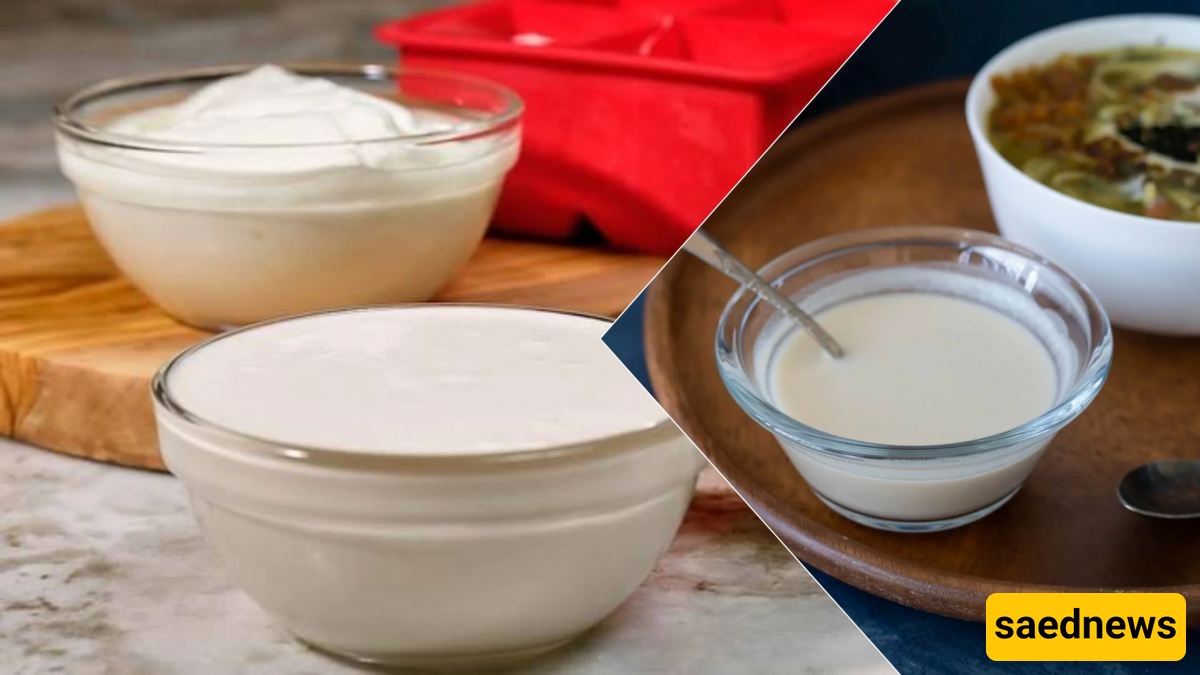
To prepare liquid kashk properly, follow these steps:
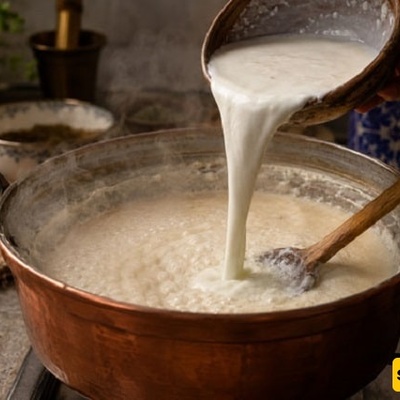
Pour the kashk into a suitable saucepan and place it over low to medium heat.
Heat it while stirring frequently to prevent it from sticking to the bottom of the pan.
If the product's instructions recommend boiling, maintain the recommended temperature and duration. The original guidance suggests approximately 5–10 minutes after boiling begins, but this is not a universal food-safety guarantee.
Avoid excessive heating, as it may cause the kashk to thicken too much or stick to the pan.
Serve it promptly, or transfer it to a clean, covered container and refrigerate it promptly.
Never leave boiled kashk at room temperature for an extended period.
Boiling liquid kashk can help reduce microbial contamination, alter its texture, and inactivate certain enzymes. However, safe production, proper refrigeration, and following the manufacturer's instructions are essential. Boiling should be viewed as a preparation step, not a guarantee that contaminated or improperly stored kashk is safe to eat.