SAEDNEWS: Spices are the backbone of flavor and aroma in cooking, but adulteration is surprisingly common. This article explores simple at-home tests and visual clues to help you identify pure spices.
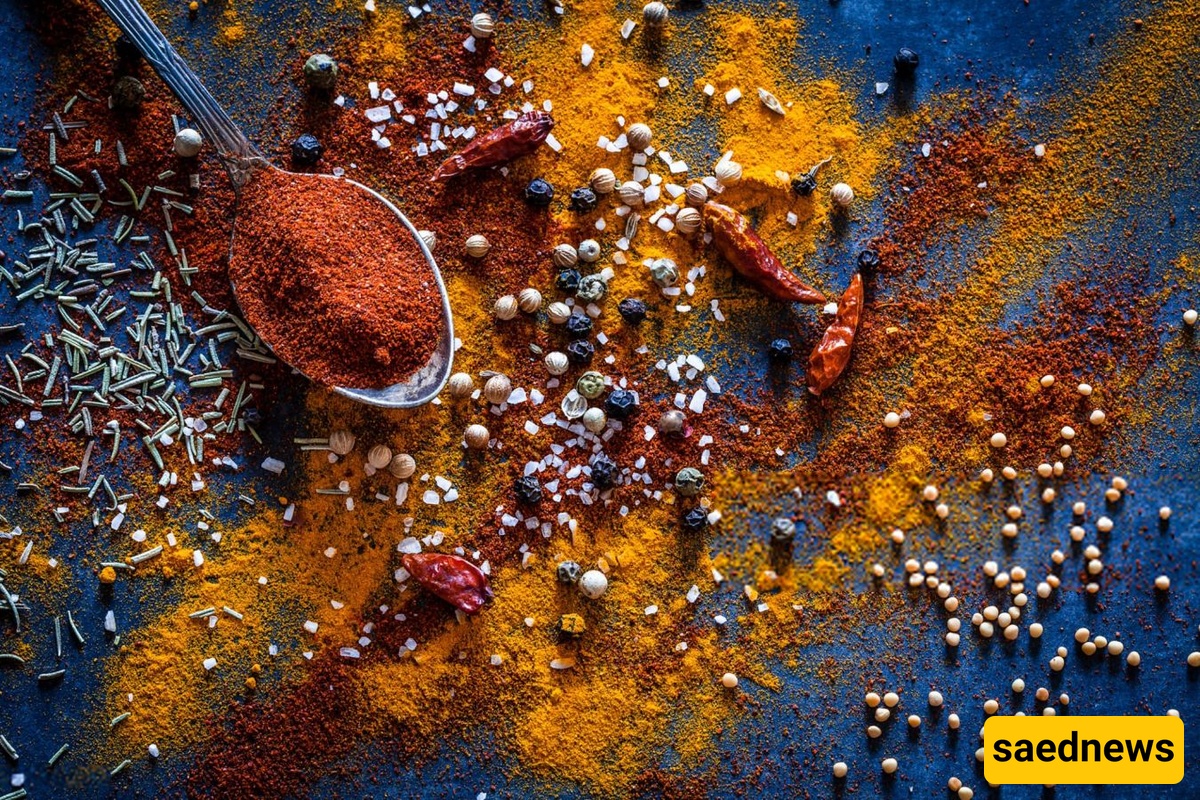
According to Saednews, Spices are the backbone of flavor, aroma, and color in Iranian and international cuisine. From precious saffron, often called “red gold,” to turmeric, cinnamon, black pepper, and sumac, these ingredients are staples in kitchens around the world. However, their popularity and economic value have also made the spice market vulnerable to food fraud.
When spices are sold in powdered form, their original appearance becomes difficult to identify, making adulteration easier to conceal. Common forms of fraud include adding flour, husks, bran, chalk, sawdust, industrial dyes, and even metal shavings. These practices not only compromise the quality and flavor of food but may also pose health risks to consumers.
Three main factors make spice adulteration a profitable business.
1. High economic value: Saffron is one of the world's most expensive food ingredients by weight, making it particularly vulnerable to fraud.
2. Difficult detection: Unlike fruits and vegetables, which can often be assessed by sight and touch, powdered spices have a uniform appearance that makes impurities difficult to identify without careful examination.
3. Long supply chains: Spices travel a long way from farms to retail shelves, and adulteration can occur at various stages. As a result, consumers often have limited ways to verify their authenticity.
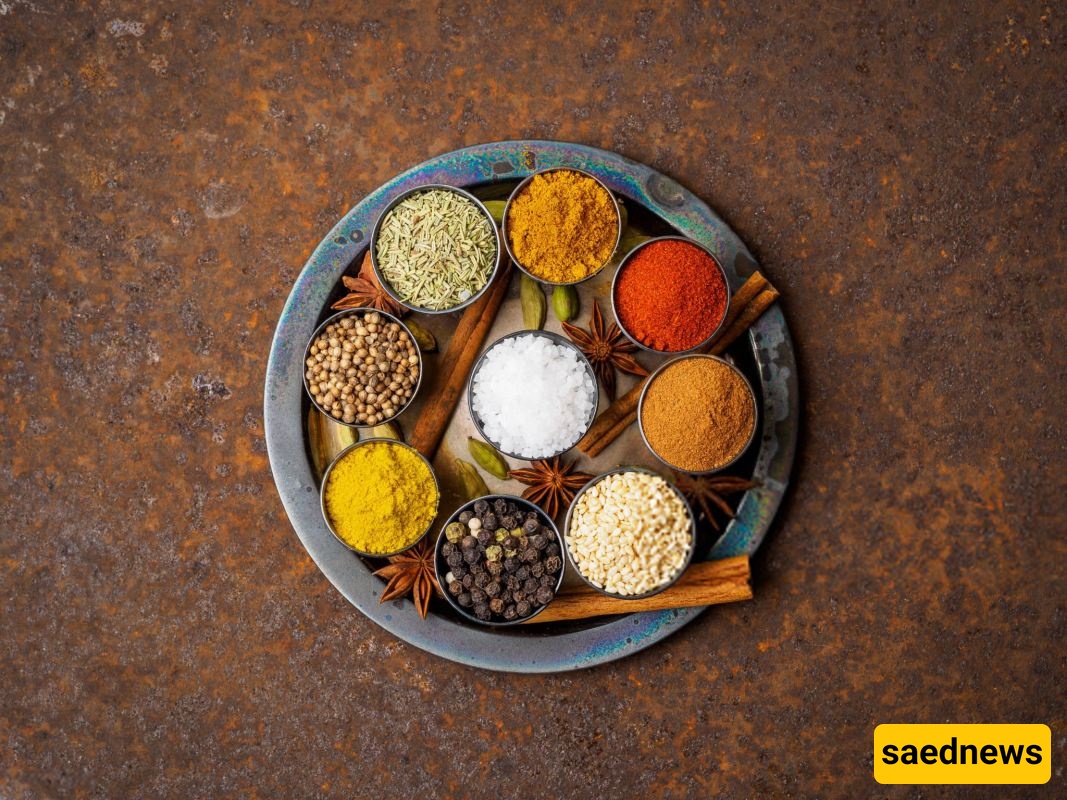
Before examining individual spices, here are five basic tests that can help identify potential adulteration in many powdered spices.
Add a small amount of spice to a glass of cold water and stir. Pure spices may release their color gradually, while their particles settle over time. If the color spreads unusually quickly or intensely, artificial coloring may be present. Materials such as flour or bran may float on the surface, indicating possible impurities.
Spread a small amount of spice on white paper and move a strong magnet close to the paper. If black metallic particles are attracted to the magnet, the spice may be contaminated with iron filings or other magnetic metal particles, which can pose health risks.
Add a few drops of white vinegar or lemon juice to a spice sample. If it fizzes, chalk, limestone, or carbonates may be present, as these substances release gas when they react with acid. Perform this test carefully in a glass container.
The iodine test is a traditional method for detecting starch. Add a drop of diluted iodine solution to the spice. A dark blue or purple color may indicate the presence of flour, corn starch, or potato starch. This test can be particularly useful for examining pepper, cumin, sumac, and spice blends.
Pure spices generally have a fresh, characteristic aroma. Gently warming a small amount should intensify its natural fragrance rather than produce a chemical or plastic-like smell. You can also rub a little spice between your fingers or across white paper. Gritty, sand-like particles may indicate mineral contamination.
Note: These home tests are only preliminary screening methods. They cannot reliably confirm whether a spice is pure or safe. Some genuine spices naturally float, settle, or change color, and laboratory testing may be necessary to identify adulterants.
Pure saffron gradually releases a golden-yellow color in cold water, while its threads retain much of their color for some time. If the water turns deep red or bright orange within seconds, artificial coloring may be present.
Authentic saffron threads typically taper toward the ends and have a distinctive, strong aroma with earthy and honey-like notes. An unusually sweet, chemical smell or uniformly thick threads may warrant suspicion.
Rub a saffron thread gently between your fingers and draw it across white paper. Natural yellow staining is more typical than an unusually bright orange mark, although color alone cannot establish authenticity.
Turmeric may be adulterated with flour, husks, chalk, or hazardous pigments, including lead-based colorants.
Add a spoonful of turmeric to a glass of water and observe the sediment. An unusual white deposit may indicate impurities, but this result is not conclusive because genuine turmeric can also contain naturally occurring particles. The iodine test may help identify added starch.
Pure turmeric typically has an earthy, pungent aroma and a natural, muted yellow-orange color rather than an unnaturally fluorescent appearance.
Black pepper is vulnerable to adulteration with papaya seeds, sawdust, and pepper husks. Genuine peppercorns generally have a characteristic wrinkled surface and a strong, distinctive aroma. Some adulterants may look unusually uniform, lack fragrance, or differ in weight.
Floating peppercorns may warrant closer inspection, but the water test alone cannot reliably distinguish genuine from adulterated pepper.
Red chili powder may contain added flour, dried tomato skins, or artificial dyes. The water and iodine tests may help flag certain adulterants. Pure chili powder typically has a pungent aroma and a natural, relatively matte red color.
Two major types of cinnamon are commonly sold: Ceylon cinnamon, associated with Sri Lanka, and cassia cinnamon.
Cassia is generally less expensive and contains considerably more coumarin, a naturally occurring compound that can be harmful to the liver when consumed in excessive amounts.
Ceylon cinnamon has thin, delicate layers that break apart relatively easily. Cassia tends to be thicker, harder, darker, and more rigid. In powdered form, Ceylon cinnamon generally has a delicate, sweet aroma, while cassia tends to smell stronger and sharper.
Sumac may be adulterated with wheat flour, excessive salt, ground corn, or red dyes.
Pure sumac usually has a muted reddish-brown color and a tart, astringent taste. If mixed with water, unusually bright red coloration or sticky sediment may warrant further investigation, although neither is definitive evidence of fraud.
A flour-like taste may also raise suspicion, but tasting an unknown or potentially contaminated sample is not recommended.
Ground cumin may be mixed with dried dill seeds or lower-quality cumin. Authentic cumin has a distinctive aroma that becomes more noticeable when the seeds are gently crushed between the fingers.
Counterfeit cardamom may contain pods filled with sawdust or artificial beads. Genuine cardamom pods have a characteristic aroma and contain naturally formed seeds.
Ground ginger may be mixed with flour or starch, which the iodine test may help detect.
Mixed seasonings, including curry powder, rice seasoning, and chicken seasoning, are harder to assess because they contain several ingredients. For these products, choosing reputable brands and reliable suppliers is particularly important.
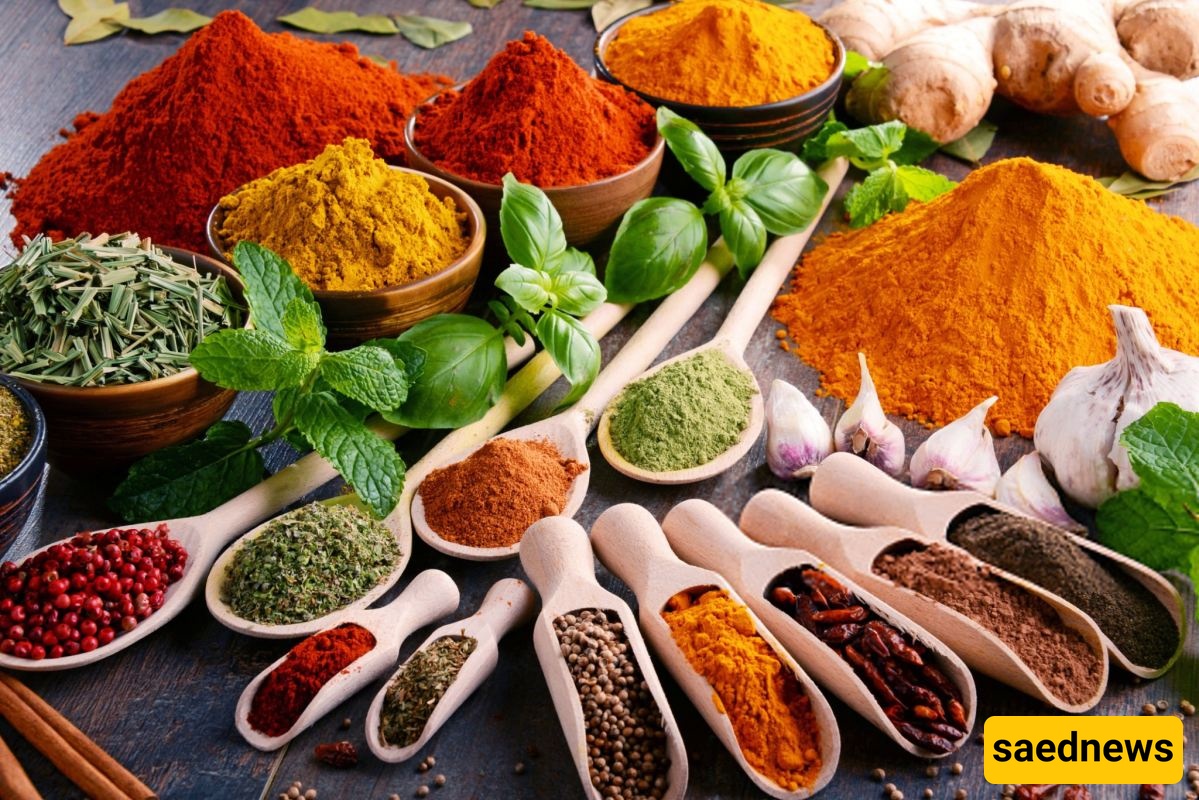
Standard spice packaging should include the product name, net weight, production and expiration dates, relevant food-safety or licensing information, and the manufacturer's details.
Faded labels, missing dates, and the absence of official manufacturer information are warning signs.
Transparent packaging without a proper seal may increase the risk of tampering during distribution. Unnaturally vivid colors may warrant closer inspection, while moisture or clumping inside a package may indicate poor storage conditions.
However, none of these signs alone proves adulteration.
1. Buy whole spices whenever possible. Purchase whole seeds, peppercorns, or cinnamon sticks and grind them at home. This makes certain forms of adulteration more difficult to conceal.
2. Choose trusted sellers. Buy from reputable stores, established spice retailers, and brands that provide appropriate food-safety and traceability information.
3. Be cautious of unusually low prices. A price far below the market average, particularly for saffron, may be a warning sign.
4. Check the aroma and appearance. Familiarize yourself with the natural characteristics of the spices you regularly use.
5. Avoid poorly stored bulk spices. Be cautious when purchasing spices exposed to direct sunlight, excessive moisture, or open-air conditions.
6. Buy quantities you can use while fresh. Older spices gradually lose their flavor and aroma, making quality assessment more difficult.
7. Check for certification and traceability. Look for clear labeling, intact seals, and information that allows you to identify the manufacturer or supplier.
Identifying adulterated spices at home can help consumers recognize potential warning signs, but no simple household test can guarantee purity or food safety. When contamination with toxic dyes, heavy metals, or other hazardous substances is suspected, laboratory analysis is the most reliable way to confirm the problem.
The safest approach is to purchase spices from reputable sources, favor whole spices when practical, inspect packaging carefully, and avoid products with suspicious odors, unusual textures, or misleading labels.