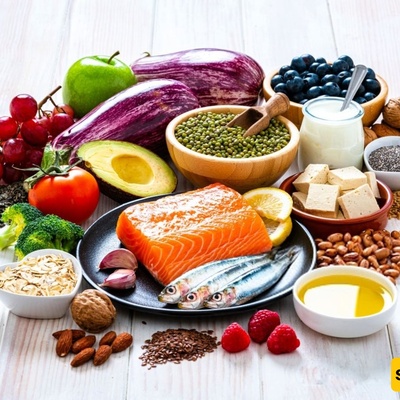
SAEDNEWS: Eating fish with bones provides a rich source of calcium and phosphorus, supports bone and joint health, and helps prevent osteoporosis.
According to Saednews, You may think fish bones are simply an obstacle to enjoying a meal. However, this view overlooks their potential nutritional value. When we examine the composition of fish bone tissue, we find that this hard tissue contains minerals, including calcium and phosphorus. According to data published in the USDA National Nutrient Database, a 100-gram serving of canned sardines served with bones contains approximately 382 milligrams of calcium. The same amount of boneless fish fillet provides only about 10 milligrams of calcium. This substantial difference—more than 38 times as much—highlights how removing fish bones can mean discarding a significant source of dietary calcium.
However, the story does not end with calcium. Because of their organic structure, bones contain collagen and connective tissues. Collagen is a structural protein that accounts for approximately 30% of the body's total protein. When we thoroughly chew and swallow edible fish bones, we obtain not only calcium and phosphorus but also amino acids that the body can use to produce collagen. In addition, bone marrow found inside certain bones contains fats, iron, and fat-soluble vitamins. This combination of minerals and proteins makes fish bones a potentially valuable component of a balanced diet.
Beyond calcium and collagen, cartilage found around some fish joints contains chondroitin and glucosamine. These compounds are widely used in supplements intended to support joint health and are often included in products marketed for osteoarthritis. Eating small fish with their edible bones provides these compounds as part of a natural food source. In a modern world where sedentary lifestyles and highly processed diets are common, eating small fish with bones can contribute useful nutrients to the diet.

Osteoporosis is often described as a silent disease because it can develop without noticeable symptoms while bones gradually lose density and become more fragile. Modern diets vary considerably, and calcium intake remains inadequate for some people, including adults over 50. Nutrition organizations, such as Harvard T.H. Chan School of Public Health, emphasize the importance of obtaining essential nutrients through a balanced diet.
Fish eaten with their soft, edible bones can be a valuable dietary source of calcium. The calcium in fish bones occurs alongside phosphorus in the bone's mineral structure. Calcium and phosphorus are both important for bone health, although their ratio in fish bones is not necessarily identical to that in human bones. When you eat sardines or other small fish with softened bones, the calcium becomes available for digestion and absorption.
For osteoporosis prevention, health authorities generally recommend a daily calcium intake of approximately 1,000–1,200 milligrams for many adults, depending on age and sex. Including 100 grams of fish with edible bones in your diet can provide a meaningful proportion of this amount. In addition, vitamin D found in certain fish helps the body absorb calcium more effectively. Vitamin D supports the production of proteins involved in calcium absorption in the intestines. Therefore, vitamin D from fish and calcium from edible fish bones can complement each other nutritionally.
Regularly including calcium-rich foods in a balanced diet can help maintain bone health as you age. However, fish with bones alone cannot guarantee the prevention of osteoporosis or fractures; overall nutrition, physical activity, and other health factors also play important roles.
Healthy joints are essential for an active, comfortable life. As people age, joint cartilage can gradually deteriorate, and the body's ability to repair damaged tissue may decline. This process can contribute to chronic pain in the knees, back, and hips.
Fish bones and cartilage contain structural proteins and other compounds associated with connective tissue. Glucosamine and chondroitin sulfate are widely used in supplements marketed for joint health. Research into these supplements has produced mixed results, however, and eating fish bones has not been established as a treatment for osteoarthritis.
Collagen is also important for maintaining skin structure and elasticity. Healthy skin depends on a network of collagen and elastin fibers, while adequate nutrition supplies the amino acids needed to maintain these structures. Fish connective tissue contains collagen, which can be broken down during digestion into peptides and amino acids that the body uses in various processes, including protein synthesis.
Although fish is a nutritious source of protein and certain fish products contain collagen, there is insufficient evidence to conclude that eating fish bones directly stimulates new collagen production in the skin or that it reverses skin aging. The nutritional benefits of fish are best understood as part of an overall balanced diet rather than as a guaranteed anti-aging remedy.
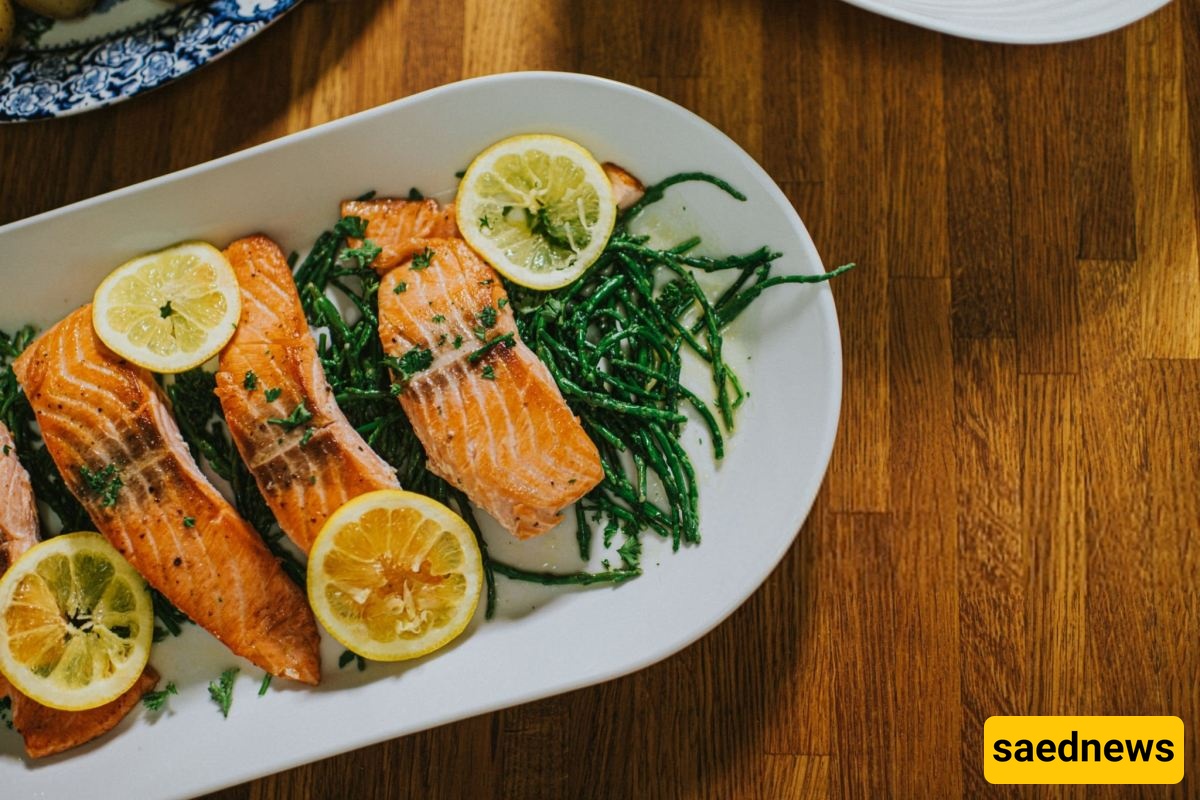
The human body requires a wide range of micronutrients to carry out essential functions. Fish provide several of these nutrients, although their concentrations vary depending on the species and the particular tissue consumed.
Iron is necessary for hemoglobin production and oxygen transport throughout the body. Iron from animal foods can be absorbed more efficiently than the non-heme iron found in many plant foods. Eating fish can contribute to dietary iron intake, although fish bones themselves are not necessarily a major source of iron. A balanced diet containing adequate iron can help reduce the risk of iron-deficiency anemia, particularly among people with increased iron requirements.
Fish also provide zinc, an essential mineral that supports the activity of hundreds of enzymes. Zinc plays important roles in immune function, wound healing, cell growth, and normal cognitive function.
Selenium is another important mineral found in many fish species. It contributes to antioxidant defense systems and helps protect cells from oxidative damage. Selenium is also essential for normal thyroid function. Adequate selenium intake supports overall health, but it has not been established that eating fish bones specifically prevents cancer, cardiovascular disease, or other chronic illnesses.
Vitamin E, found in varying amounts in fish and other foods, also contributes to the body's antioxidant defenses. Together, the nutrients supplied by fish can support several aspects of health when consumed as part of a balanced diet.
One common question is how to eat fish bones safely and comfortably. The answer depends on the type of fish and the cooking method.
Small fish such as sardines, sprats, anchovies, and other small edible fish are often suitable for eating with their bones. Their bones can become soft enough to chew when properly cooked, making them easier to consume than the rigid bones of larger fish.
One preparation method involves slowly cooking fish in a covered pot with a little water, tomato paste, lemon juice, and seasonings. Extended cooking can soften small bones, depending on the species and cooking conditions. This technique is used in various regional cuisines, including parts of southern Iran and the Persian Gulf region.
Another convenient option is canned sardines. Commercial canning involves heat and pressure that soften the bones, making them easy to mash with a fork. Canned sardines can be eaten on their own or added to salads, sandwiches, and other dishes.
For people who dislike the texture of fish bones, thoroughly blending fish with softened bones may produce a smoother paste. It is important to ensure that no hard or sharp fragments remain before eating.
Larger fish, such as trout and salmon, have bones that generally remain hard and should be removed before eating. Frying or grilling does not reliably make their larger bones safe to consume. Avoid swallowing raw, thick, or sharp fish bones, as they can cause choking or injury to the digestive tract. Choose fish products in which the bones have been appropriately softened, and take care when eating any fish containing bones.
Eating small fish with soft, edible bones can provide several nutritional advantages:
Calcium and phosphorus: Support bone structure and normal skeletal health.
Protein and collagen-containing tissues: Supply amino acids needed for maintaining body tissues.
Vitamin D: Found in certain fish and helps the body absorb calcium.
Iron and zinc: Contribute to normal blood production, immune function, and other essential processes.
Selenium: Supports antioxidant defenses and normal thyroid function.
Convenience and nutrition: Canned sardines and similar products provide an accessible way to consume fish along with softened bones.
Including fish with edible bones in a varied, balanced diet can help increase calcium intake and provide other valuable nutrients. The most important consideration is to choose appropriately prepared fish and ensure that the bones are soft enough to chew and swallow safely.