SAEDNEWS: Anise is an aromatic medicinal herb whose active compounds may support better digestion, reduce inflammation, strengthen the immune system, and promote better sleep quality.
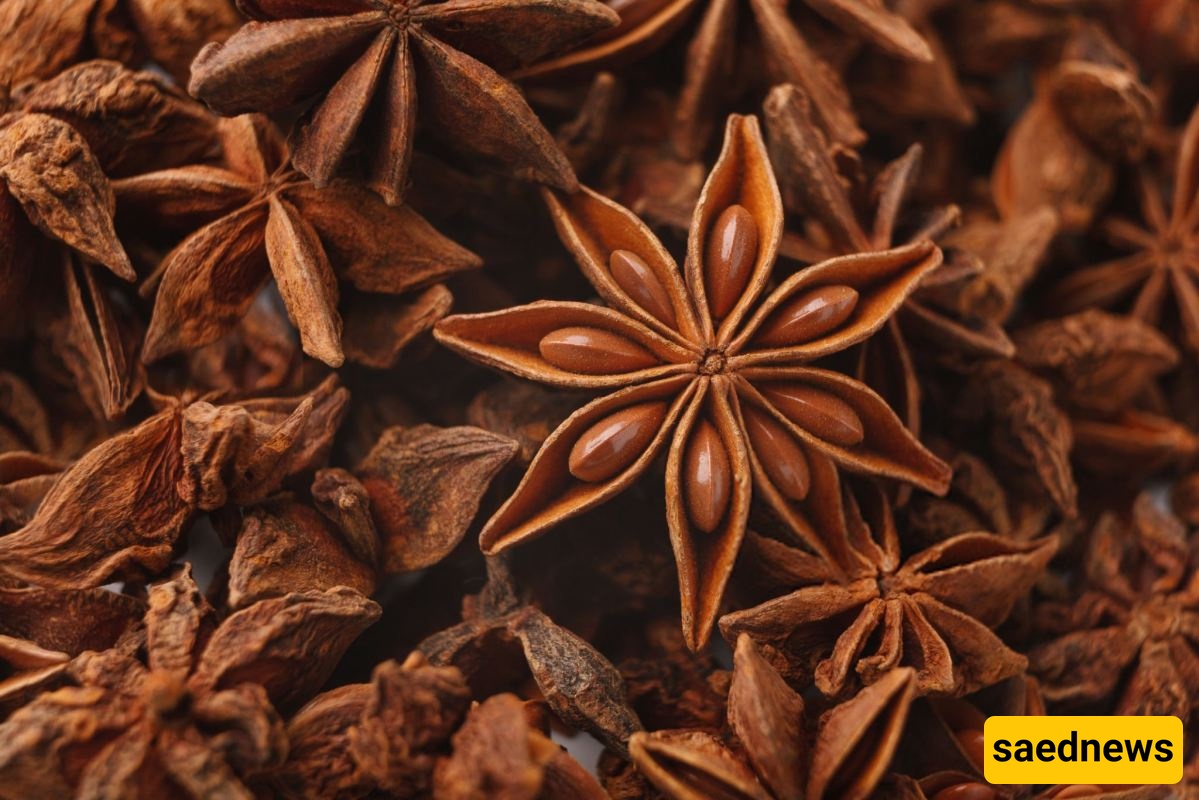
According to Saednews, Anise is one of those medicinal herbs that holds a special place in the kitchen while also being recognized in traditional medicine as a valuable natural remedy. This small, aromatic plant has a warm and pleasant fragrance and has been used for centuries to support digestive health, respiratory function, and even better sleep.
In this article, we will take a closer look at the potential health benefits of anise and explore how this aromatic herb may contribute to overall well-being.
If you are looking for a natural way to support digestion, strengthen the immune system, or reduce inflammation, continue reading to discover more about anise and its traditional uses.
Anise belongs to the Apiaceae family. Its small, oval-shaped, aromatic seeds are the main part used for culinary and traditional medicinal purposes. The term “anise” can sometimes refer to two different plants:
Aniseed (Pimpinella anisum): A plant with small seeds and a naturally sweet flavor.
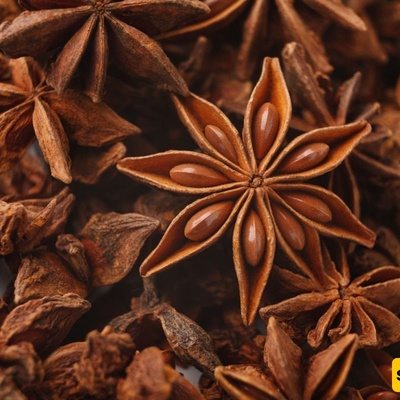
Star anise (Illicium verum): A star-shaped spice that is widely used in Asian cuisine.
Although these plants are different, both contain aromatic compounds, with anethole being one of the best-known compounds responsible for the characteristic sweet aroma of anise.
Anise also contains compounds such as estragole and limonene, as well as flavonoids and various vitamins and minerals. This combination of natural compounds is believed to contribute to many of the traditional uses associated with anise.
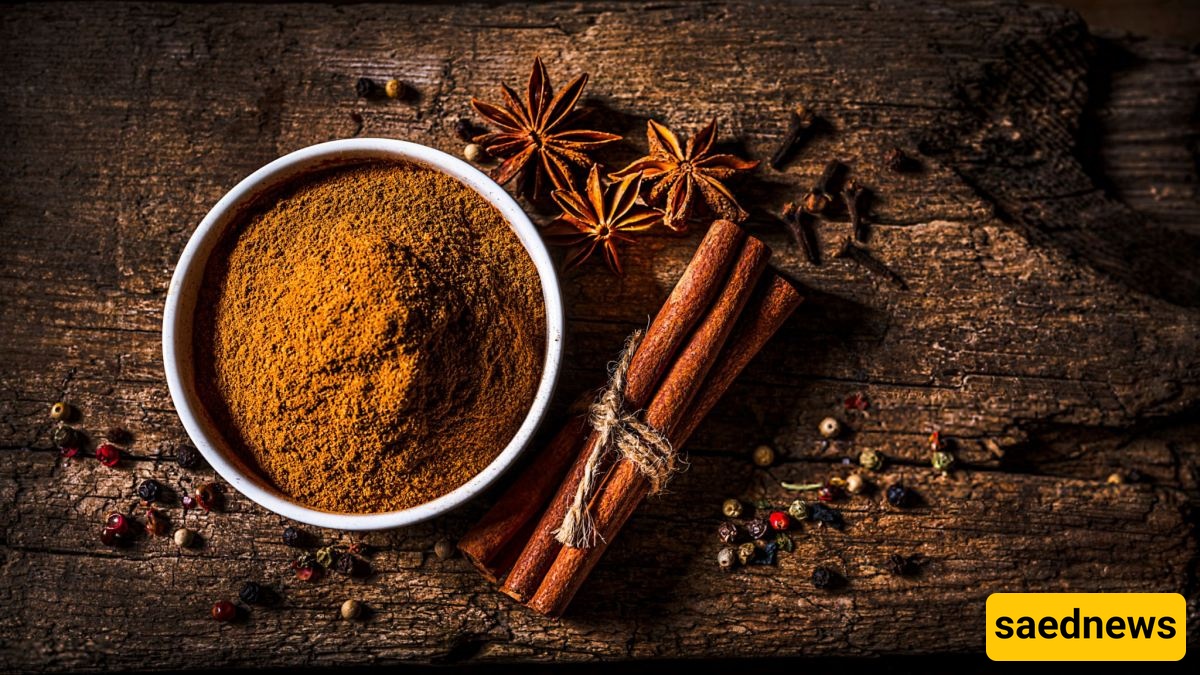
One of the most well-known traditional uses of anise is supporting the digestive system. Anise is traditionally considered carminative and antispasmodic, meaning it may help relieve gas, bloating, and abdominal discomfort.
Anise tea is often consumed after heavy meals because it may support digestion and help ease digestive discomfort. Some herbal preparations containing anise have also been traditionally used by people experiencing symptoms associated with digestive disorders.
Anise has traditionally been used as an expectorant, helping loosen and clear mucus from the respiratory tract. For this reason, it has been used in traditional remedies for coughs, bronchitis, and nasal congestion.
Warm anise tea may also help soothe an irritated throat. In traditional practices, aromatic preparations containing anise have sometimes been used to support easier breathing.
Anise contains naturally occurring antioxidants, including flavonoids, which help protect cells from oxidative stress caused by free radicals.
Its plant compounds may also have anti-inflammatory properties. However, anise should not be considered a substitute for medical treatment when someone has a diagnosed inflammatory condition.
Anise contains antioxidant compounds that can contribute to the body's overall defense against oxidative stress. Laboratory research has also investigated the antimicrobial activity of anise extracts against certain bacteria and fungi.
While these findings are promising, they do not mean that anise can prevent or cure infections. It is best viewed as part of a balanced diet rather than a replacement for medical care.
Anise has traditionally been used as an herbal remedy to support milk production during breastfeeding. Anethole, one of its major compounds, has estrogen-like activity, although evidence regarding its effectiveness as a galactagogue remains limited.
Anise has also traditionally been used to ease menstrual discomfort. Pregnant women should avoid medicinal or excessive amounts of anise unless advised by a healthcare professional.
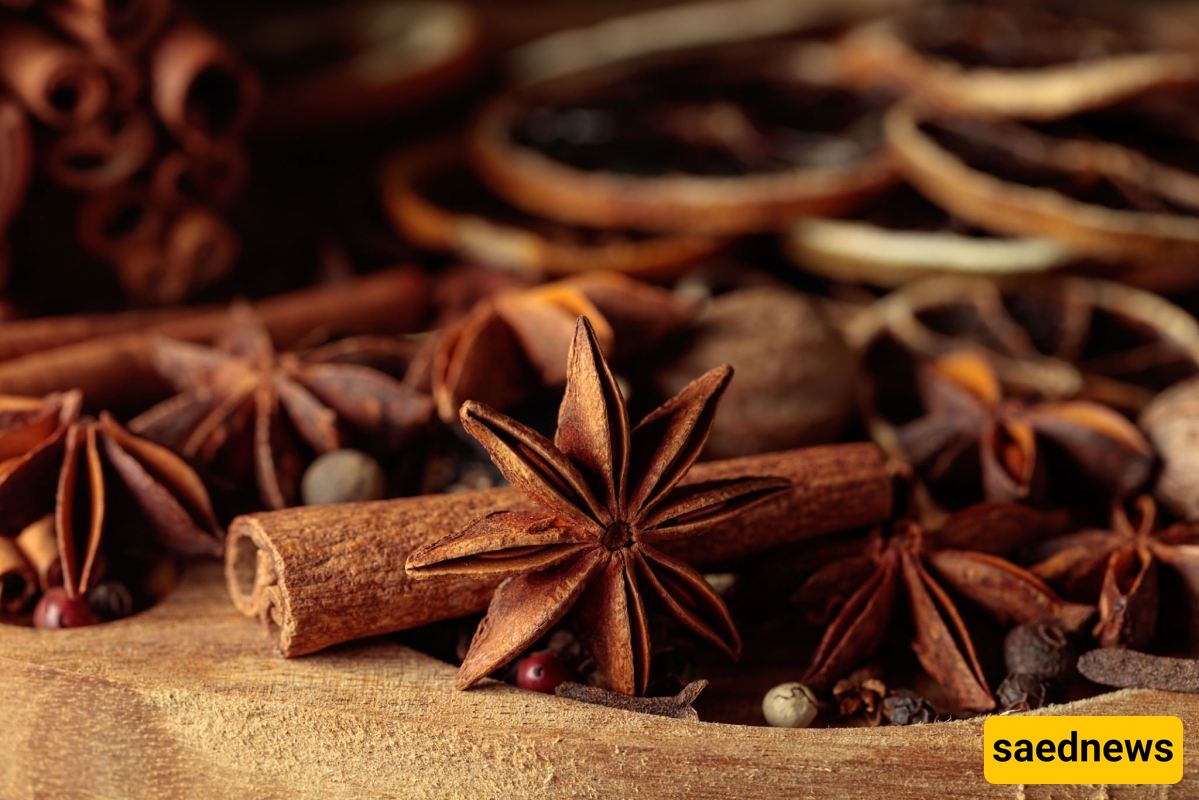
Some experimental research has investigated whether anise extracts may influence blood glucose levels and insulin-related processes.
However, evidence is not sufficient to recommend anise as a treatment for diabetes. People with diabetes should continue prescribed treatment and consult their healthcare provider before using concentrated herbal products.
Anise contains several plant compounds and minerals that may contribute to a healthy diet. Its antioxidant compounds may help protect cells from oxidative stress, while a balanced diet containing plant foods can support overall cardiovascular health.
Anise should not, however, be considered a treatment for high blood pressure or high cholesterol.
The warm, pleasant aroma of anise is traditionally associated with relaxation. Anise preparations have been used in traditional herbal practices to promote calmness and support restful sleep.
Enjoying a warm cup of anise tea before bedtime may be a comforting nighttime ritual, although strong evidence that anise directly treats insomnia is limited.
Because anise contains antioxidant and antimicrobial compounds, it has also been used in some traditional and cosmetic preparations.
Anise-derived ingredients may be incorporated into skincare products, while anise oil has been used in traditional hair and scalp preparations. However, concentrated essential oils can irritate the skin and should always be properly diluted.
Anise tea is naturally low in calories and can be a flavorful alternative to sugary drinks. Its aroma and flavor may also make it a satisfying beverage between meals.
However, there is no strong evidence that anise alone causes significant weight loss or substantially increases metabolism. Sustainable weight management depends primarily on a balanced diet, appropriate calorie intake, regular physical activity, and healthy lifestyle habits.
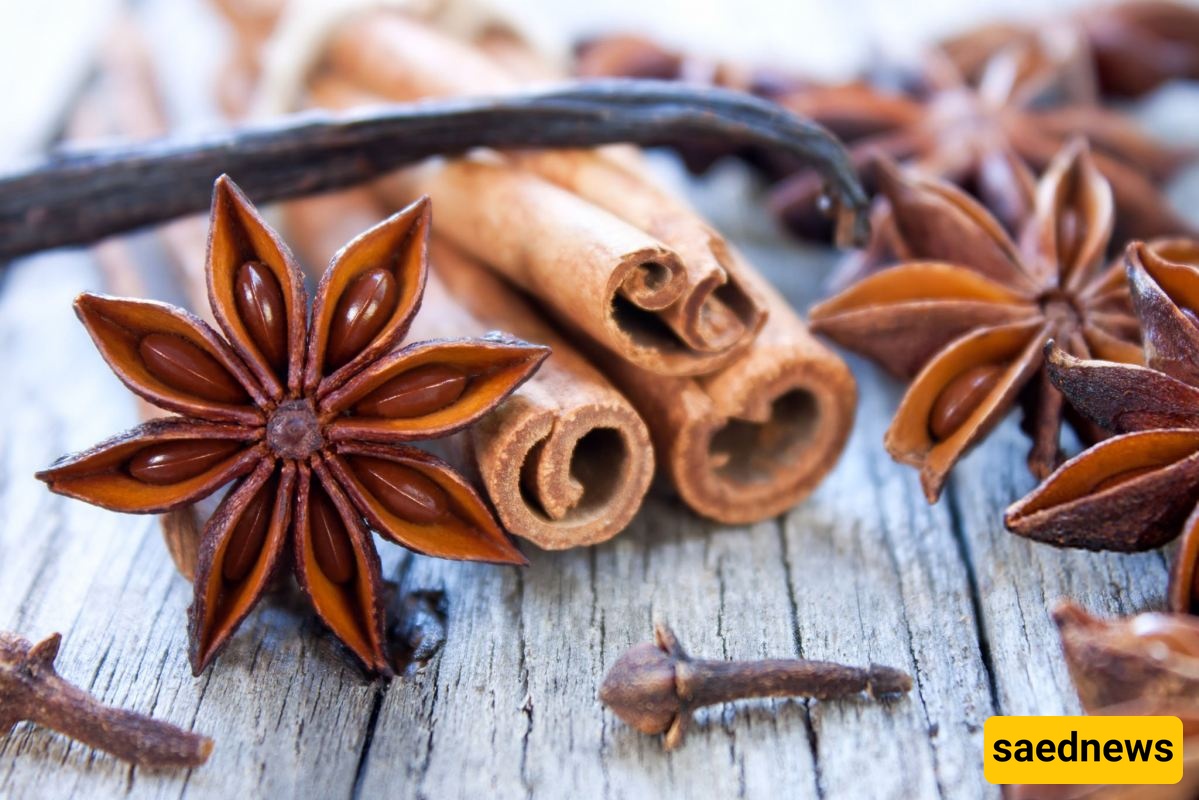
Anise can be consumed in several ways:
Tea: Add about one teaspoon of anise seeds to hot water and steep for approximately 10 minutes.
Ground spice: Ground anise can be added to foods, soups, baked goods, and desserts.
Anise oil: Used in aromatherapy or topical preparations when properly diluted.
Extracts and capsules: These should be used according to the product instructions and, when appropriate, professional medical advice.
Anise is generally well tolerated when consumed in normal culinary amounts. However, excessive consumption or concentrated preparations may cause unwanted effects, including digestive upset or allergic reactions.
Important precautions include:
Pregnant and breastfeeding women should consult a healthcare professional before using medicinal amounts of anise.
People with diabetes or liver conditions should seek medical advice before using concentrated anise supplements.
People taking medications, particularly those that may interact with herbal products, should consult a healthcare professional before using concentrated extracts or supplements.
Pure anise essential oil should never be applied directly to the skin without appropriate dilution.
Children should not be given concentrated herbal preparations unless recommended by a qualified healthcare professional.
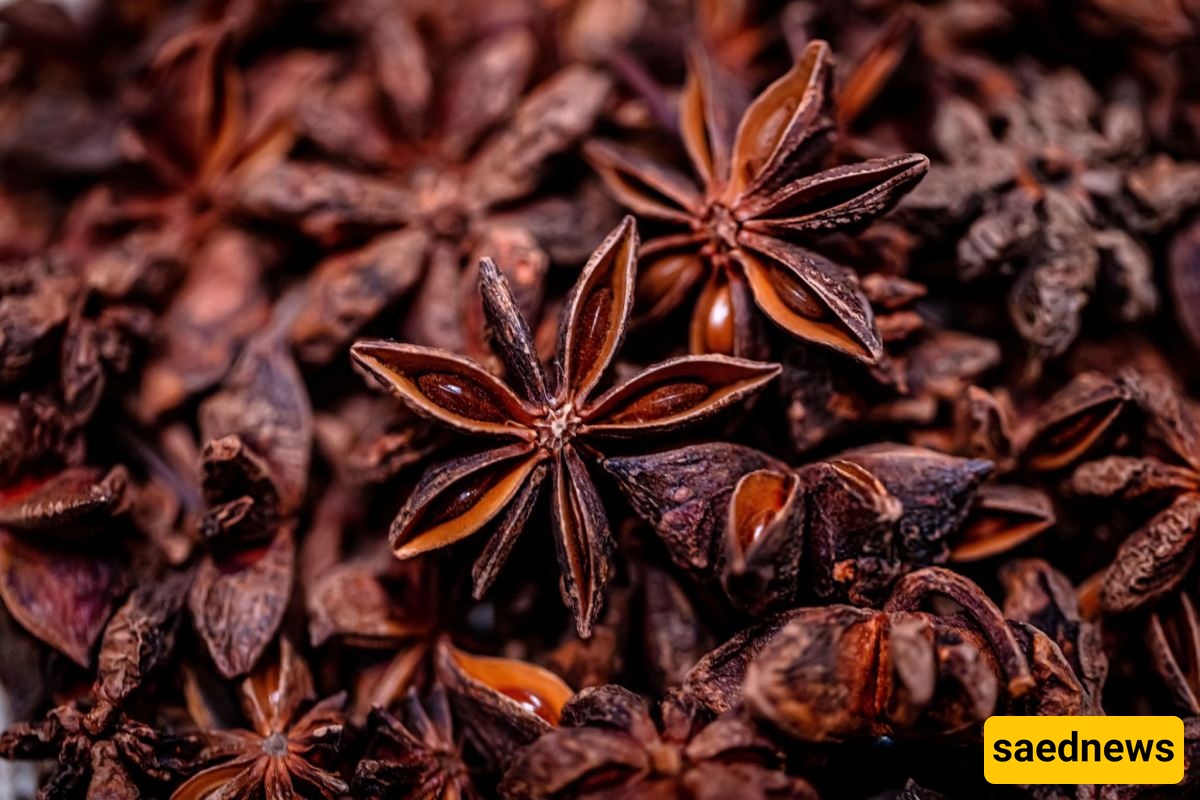
Anise is a small but versatile aromatic herb with a long history in traditional medicine and cooking. It has traditionally been used to support digestion, soothe respiratory discomfort, promote relaxation, and provide antioxidant compounds.
Although many of its traditional uses are supported by preliminary laboratory or small-scale research, more high-quality human studies are needed to confirm many of the claimed health benefits.
Anise can be a flavorful addition to a healthy lifestyle, but it should be regarded as a complementary herbal food rather than a replacement for medical treatment. Moderate use, awareness of potential precautions, and professional advice when necessary are the best ways to enjoy this aromatic herb safely.
For those looking for a warm and pleasant caffeine-free drink, a cup of anise tea can be a simple and enjoyable addition to a balanced daily routine.