SAEDNEWS: Proper flour storage preserves freshness and quality while reducing pest risks. Airtight containers, cool and dry conditions, and regular checks help protect flour from moisture, odors, and contamination.

According to SAEDNEWS, transferring flour from its original packaging into a clean, airtight container is one of the most effective ways to protect it. A container with a secure lid can prevent insects from reaching the flour and also keeps moisture and outside odors away. Choose a dry container and make sure it is completely clean before adding fresh flour.
Heat and humidity can reduce flour quality and create conditions that encourage pest problems. Store flour in a cool, dry cupboard away from direct sunlight, steam, and sources of heat. Keeping the storage area dry is especially important because moisture can cause flour to clump and deteriorate more quickly.
Regularly cleaning the cupboard or pantry can help reduce the possibility of infestation. Remove spilled flour promptly and wipe shelves before placing new containers back in their locations. Avoid leaving old flour or food particles in corners, as they can make the storage area less hygienic.
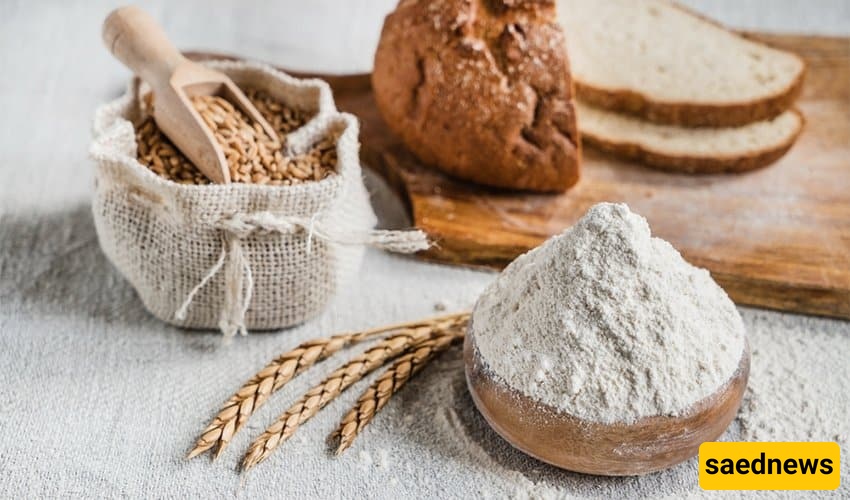
Inspect flour carefully before putting it into long-term storage. Look for unusual odors, changes in texture, small particles, or signs of insects. Buying flour from a reliable source and avoiding damaged packaging can also reduce the chance of bringing pests into the pantry.
Use older flour before newly purchased flour instead of allowing bags to remain unused for long periods. Labeling containers with the purchase or storage date makes rotation easier. For flour that will not be used soon, refrigeration or freezing can provide additional protection while helping maintain its quality for a longer period.