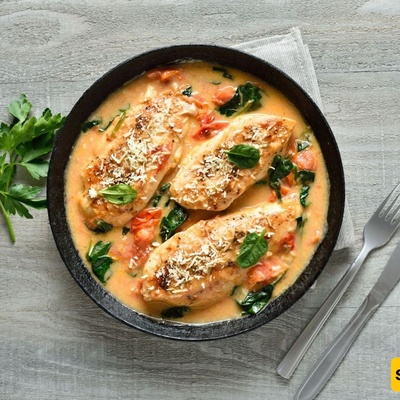
SAEDNEWS: Properly reheating leftovers is about more than making food hot. Using the right methods helps preserve texture, flavor, and moisture while ensuring meals remain safe and enjoyable to eat.
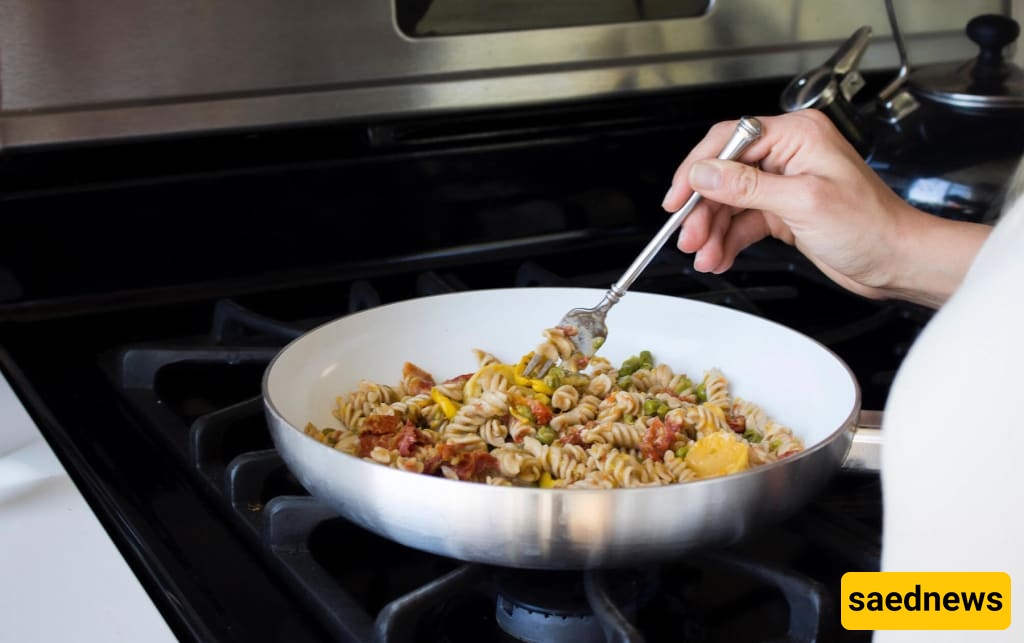
According to SAEDNEWS, Not every leftover should be reheated the same way. Rice, soups, and stews reheat well on the stovetop or in the microwave, while baked dishes often retain a better texture in the oven. Matching the reheating method to the type of food helps prevent drying out or uneven heating.
Many foods lose moisture during refrigeration. Before reheating, add a small amount of water, broth, or milk to dishes such as rice, pasta, or casseroles. Covering the food with a lid or microwave-safe cover traps steam, keeping the meal tender instead of dry.
Use medium heat whenever possible instead of the highest setting. If using a microwave, pause halfway through to stir or rotate the food for even heating. Gentle reheating preserves texture and reduces the risk of overcooked edges and cold centers.
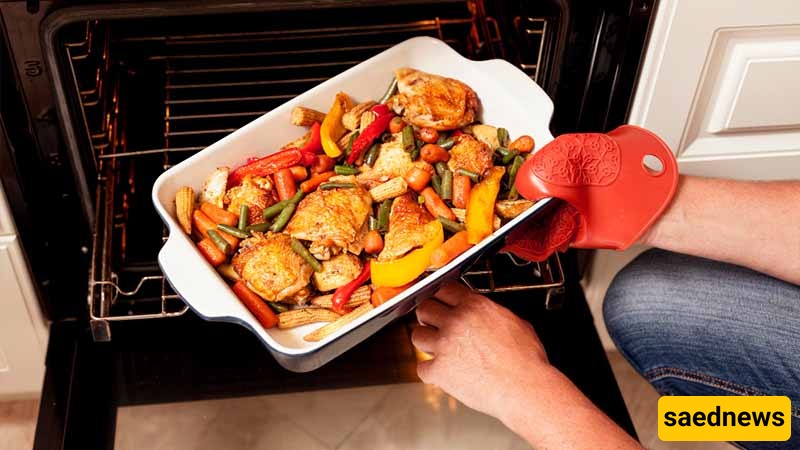
Repeated cooling and reheating can reduce food quality. Instead of warming the entire container, remove only the amount you plan to eat. This keeps the remaining leftovers fresher and helps maintain their original taste and texture.
Store leftovers in the refrigerator within two hours of cooking and consume them within a few days. Reheat food until it is steaming hot throughout, paying special attention to thicker dishes. Proper storage and thorough reheating help maintain both safety and quality, allowing you to enjoy leftovers that taste almost as good as when they were first prepared.