SAEDNEWS: Vanilla, also known as vanillin or “varagh-e Qamari,” is the fruit of a plant belonging to the orchid family, which produces white and yellow flowers. In fact, vanilla is a type of orchid. The natural brown vanilla powder is obtained after drying the bean-shaped pods of the vanilla plant, which are actually its fruit.
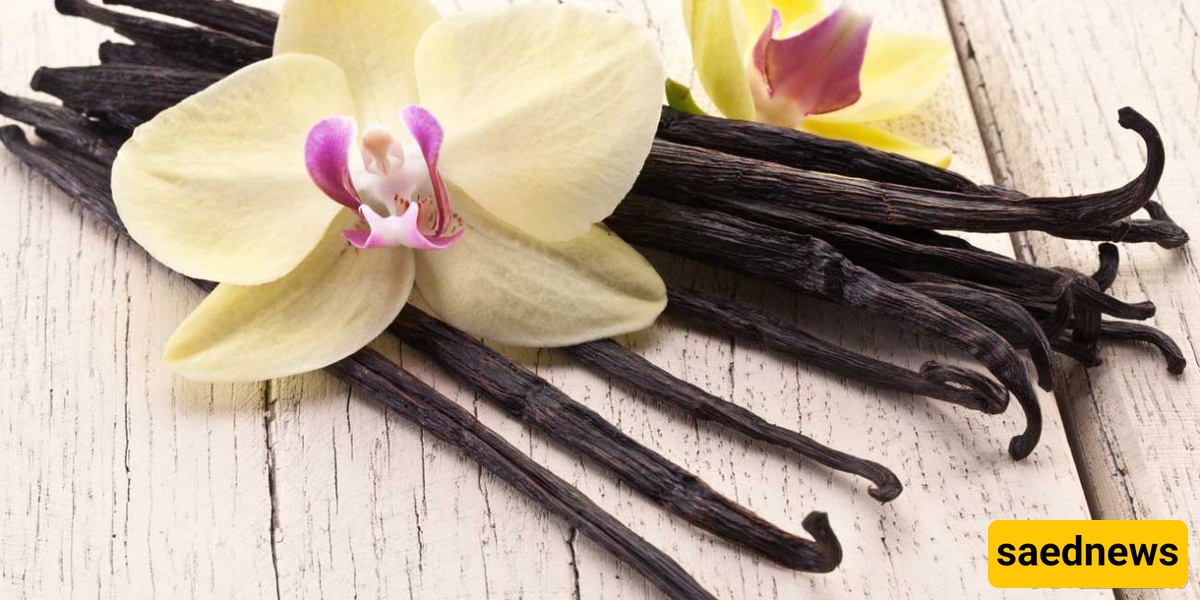
Because natural vanilla is the second most expensive spice in the world after saffron, the cheaper artificial type is usually used in vanilla-flavored foods. Natural vanilla has many health benefits, and here we explain in detail the properties of vanilla powder, vanilla oil, and vanilla tea for health, weight loss, blood pressure, pregnancy, skin, and hair.
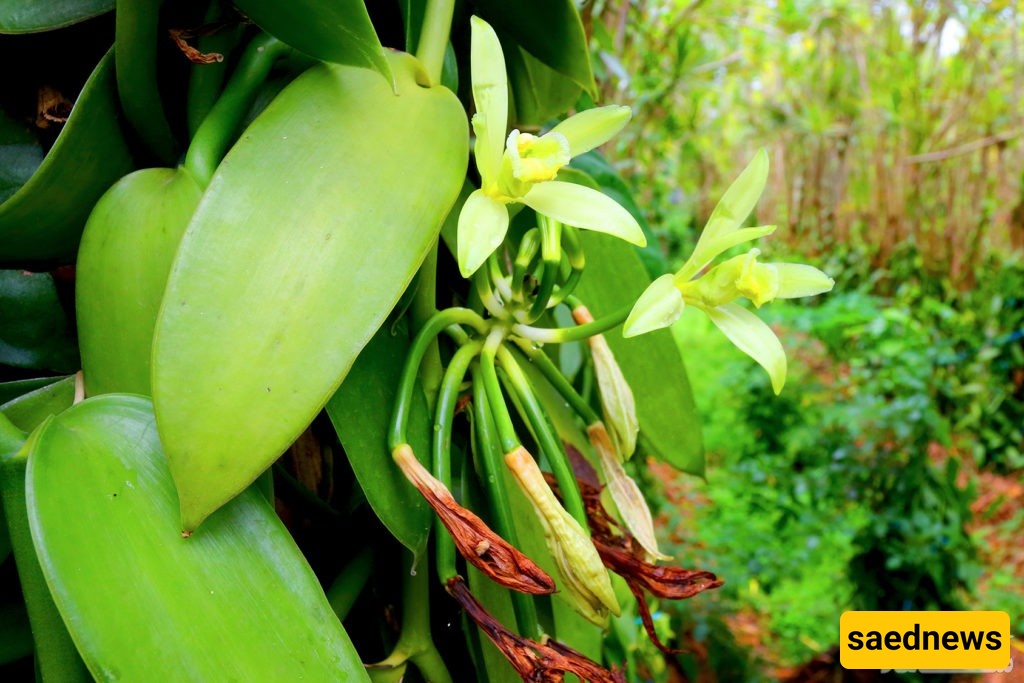
The vanilla plant is a perennial climbing vine with a long green stem, alternating broad, soft, thick, oval, and pointed green leaves. It also has numerous aerial roots that emerge from each leaf node, allowing it to attach to nearby trees and climb upward.
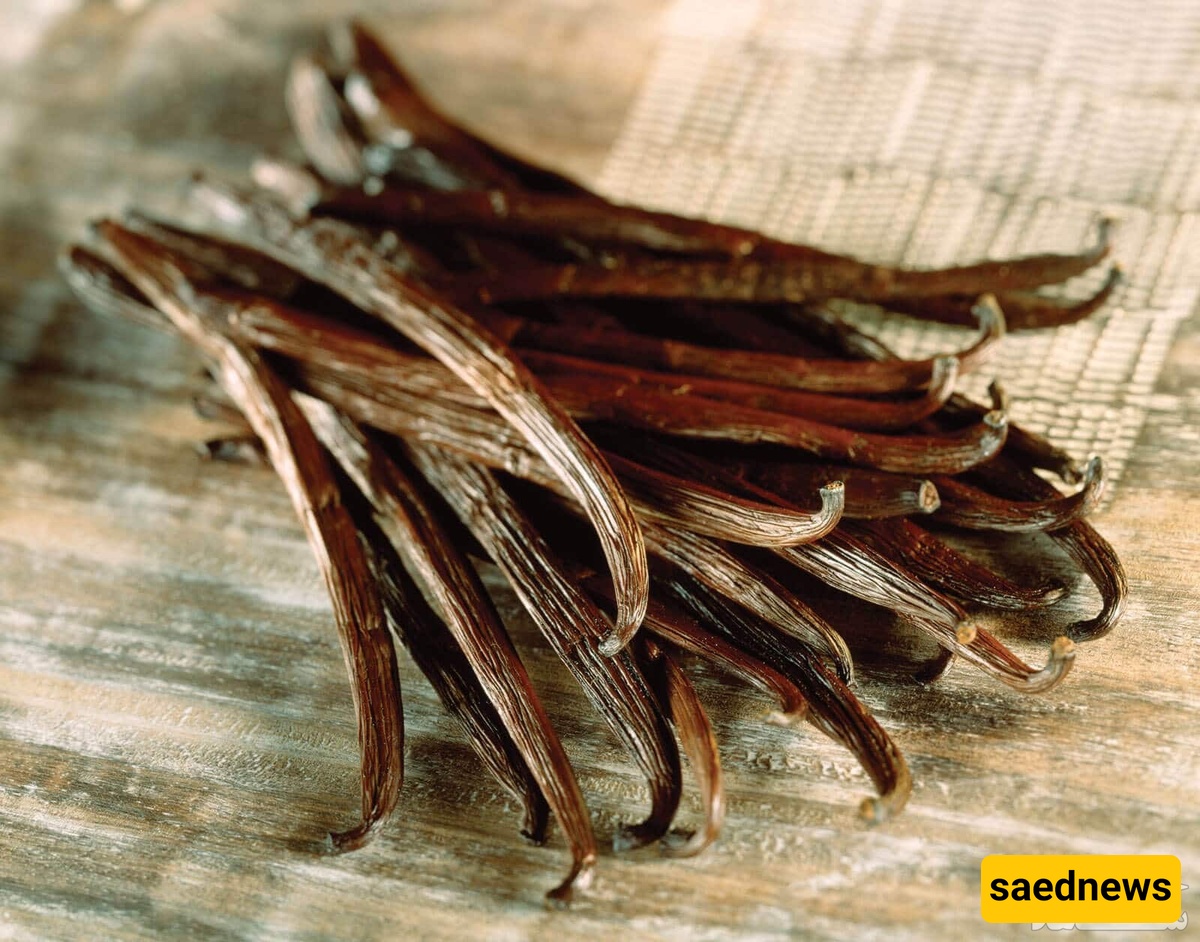
The aromatic substance of vanilla is extracted from the fruit of this plant. The fruit is bean-shaped and is harvested before it fully ripens and then dried. At the time of harvesting, the pods have no aroma, but during the drying and curing process, the characteristic pleasant vanilla fragrance develops.
This spice also has a special place in aromatherapy. In modern medicine, it has been used to reduce fever and increase libido. Due to its antioxidant properties, it helps fight free radicals in the body.
In Iran, vanilla is commonly known and used as an expensive white powder. This powder is actually a chemical product called vanillin, produced based on the smell and taste of natural vanilla and offered widely at a lower price. Vanillin represents only one of the 36 aromatic compounds of natural vanilla, and it lacks many of its natural properties.
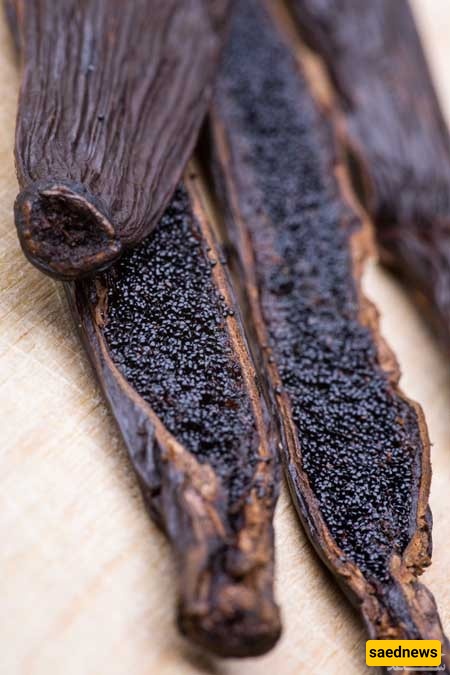
True vanilla appears as a thin black pod that is split open with a sharp knife, and the inner paste is scraped out and added to sauces or doughs.
From the perspective of traditional medicine, vanilla—like other spices—has specific properties. It affects the nervous system and brain, reducing fear and anxiety and helping to alleviate depression. Some of these effects are also attributed to compounds such as geraniol found in roses.
Vanilla has a warm and dry nature. It contains significant amounts of calcium, manganese, magnesium, potassium, iron, zinc, and vitamins B1, B2, B3, B5, and B6.
The vanilla pod contains tiny aromatic seeds used in baking and cosmetics. These compounds are believed to help maintain youthful, healthy, and radiant skin.
Historically, fresh vanilla was used in skincare to protect against sunlight. Studies suggest that vanilla seeds contain molecules with healing and restorative properties for the skin.
Research shows that vanilla compounds can stimulate skin function, accelerate skin regeneration, and improve hydration, elasticity, and firmness.
Vanilla is widely used in anti-aging skincare treatments. When combined with sesame or sunflower oil, it forms a paste that helps prevent dryness and keeps the skin soft and smooth.
Vanilla oil is also used topically to treat burns, skin wounds, and to strengthen hair growth.
Inhaling vanilla oil promotes relaxation and may help with high blood pressure, stress, anxiety, depression, and insomnia. It may also help reduce nausea, stomach pain, and intestinal cramps.
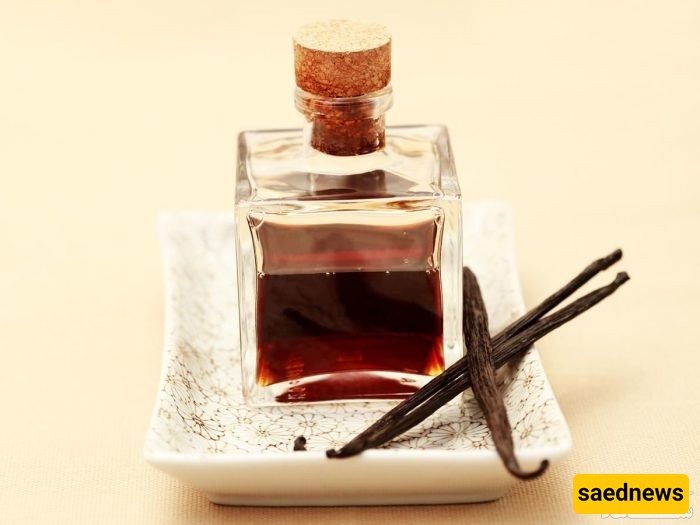
Split 5 vanilla pods and extract the seeds. Grind them and mix with 3 tablespoons of brown sugar and 2 tablespoons of vanilla oil. Apply to the face, massage well, then rinse with warm water followed by cold water.
Mix 10 drops of vanilla oil with 1/4 cup of carrier oil such as olive, jojoba, coconut, or almond oil. Heat gently and add 10 drops of lavender oil. Apply to hair and scalp, massage for 2–3 minutes, leave for 30 minutes, then wash with warm water and shampoo.
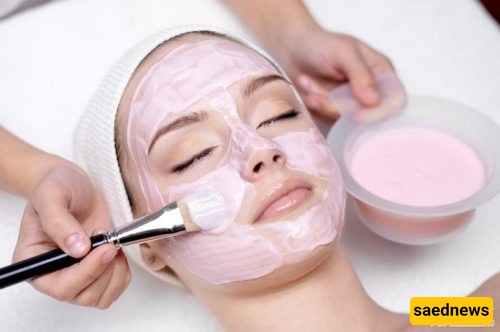
Mix 5 drops of vanilla essential oil with 2 tablespoons of almond oil and 1 tablespoon of shea butter. Apply to hair, leave for 10–15 minutes, then rinse with warm water and shampoo.
Due to its high content of B vitamins, vanilla is considered beneficial for fetal development and maternal health during pregnancy.
Its antioxidants help strengthen the immune system of pregnant women.
Inhaling vanilla oil may help reduce nausea and vomiting during pregnancy.
Ingredients:
1 cup boiling water
1 teaspoon black tea
2 tablespoons almond milk
1/2 teaspoon vanilla extract
1 teaspoon vanilla sugar or regular sugar
1/2 teaspoon cinnamon powder
Method:
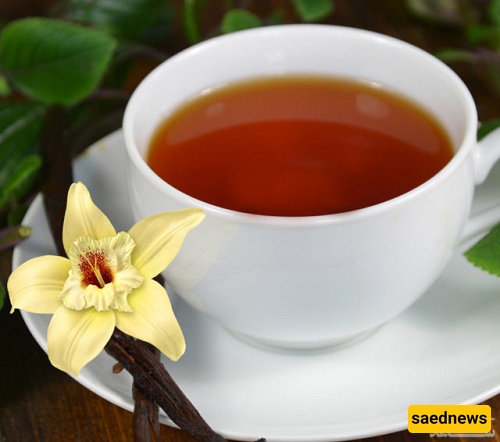
Add black tea to boiling water and steep for 5 minutes. Strain, then add almond milk, sugar, vanilla extract, and cinnamon. Mix well and serve.
When consumed in large amounts, vanilla (or vanillin) may cause hypnosis-like effects and complete numbness.
Vanillin may also show effects similar to caffeine, influencing the nervous system and blood pressure.
Some compounds in vanillin may act similarly to acetylcholine and, in excessive amounts, may produce effects comparable to certain strong neuroactive substances.