SAEDNEWS: Gheimeh is one of the most popular Iranian dishes, often served at parties and special occasions. A key factor in its preparation is choosing the right type of split peas—small or large.This article reviews this choice and important tips for selecting the best split peas for a perfect Gheimeh.
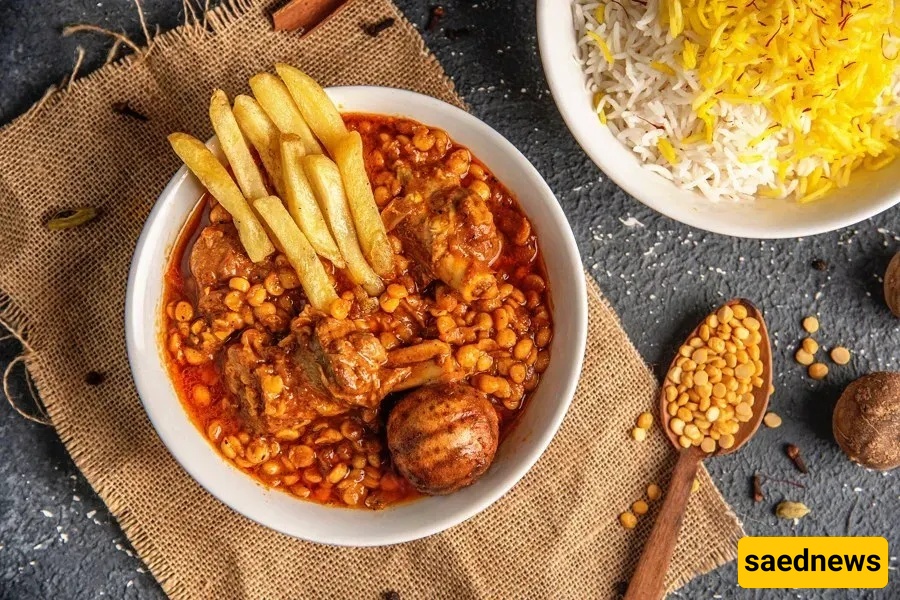
According to the family service of SaedNews, choosing the type of split peas (lapeh) has a direct impact on the taste and texture of qimeh stew. This article explores the differences between fine and coarse split peas, their effects on cooking, and key preparation tips.
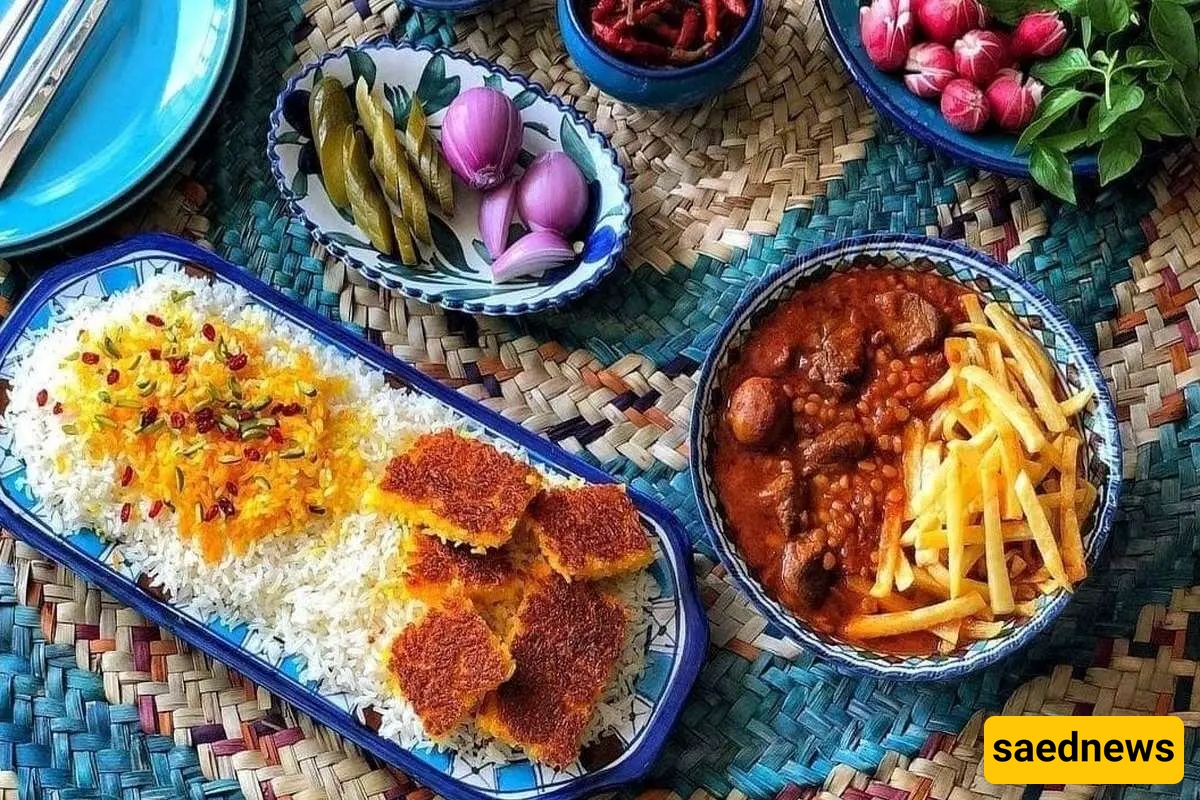
Split peas are generally divided into two categories: fine and coarse. These two types differ in taste, texture, and cooking time.
Fine split peas are small in size and have a softer texture, making them widely used in dishes such as qimeh. They cook faster and blend well with other ingredients during cooking. As a result, qimeh made with fine split peas usually has a smooth and uniform texture.
Coarse split peas are larger in size and require more cooking time. They have a firmer texture and a stronger taste, which can add more depth to the dish. However, if not cooked properly, they may remain slightly hard in the stew.
The type of split peas used significantly influences the final taste and texture of qimeh.
Fine split peas produce a softer, smoother, and milder-tasting stew.
Coarse split peas create a firmer texture and a stronger, more pronounced flavor, giving the dish a different character.
One important factor in preparing qimeh is proper cooking of the split peas. Fine peas require less attention due to their shorter cooking time, while coarse peas must be fully cooked to avoid hardness in the stew.
Fine split peas blend easily with meat and other ingredients, allowing flavors to combine smoothly. In contrast, coarse split peas may stand out more and create a stronger dominant taste in the dish.
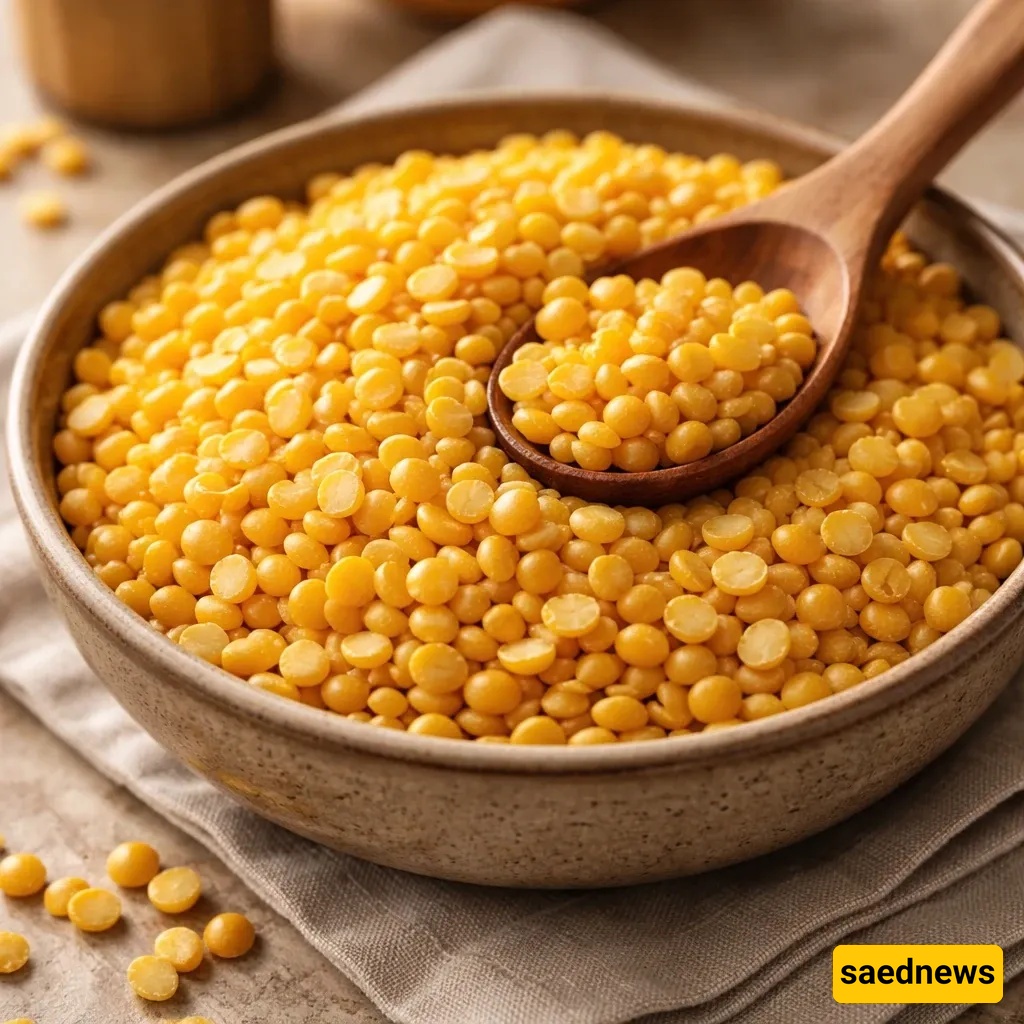
Always buy from reputable stores and check expiration dates and overall quality. Good-quality split peas should be free from spots or signs of spoilage.
Uniform color and intact appearance indicate higher quality. Dull or damaged split peas are usually of lower quality.
Wash the split peas and soak them for 1–2 hours.
Fry onions, then add meat and split peas together.
Cook over low heat until fully done, being careful not to over-soften the peas.
Wash and soak the peas for a longer time than fine ones.
Combine with other ingredients and cook for a longer period to ensure full softening.
Choosing the best type of split peas for qimeh depends on personal preference. If you prefer a soft and uniform texture, fine split peas are the better choice. If you prefer a stronger flavor and firmer texture, coarse split peas are ideal. The key is adjusting cooking time and preparation methods according to the type you choose. Ultimately, trying both types can help you decide which one best suits your taste.