SAEDNEWS: This is a question many people have about the effects of this natural phenomenon. Meteorite impacts can cause widespread destruction, including triggering tsunamis, devastating agriculture, and destroying infrastructure.
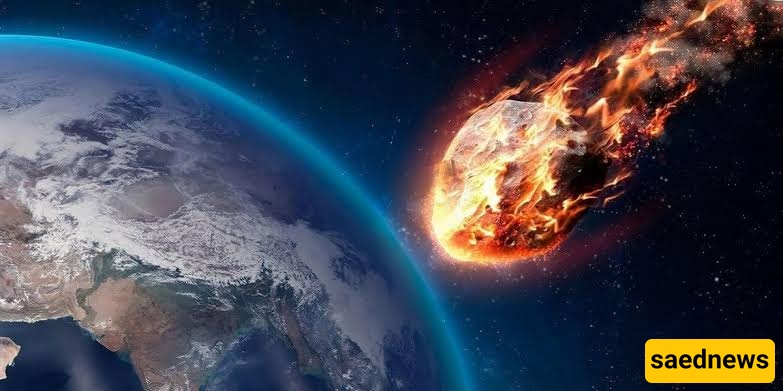
According to Saednews, Asteroids and other space rocks are celestial objects that travel through space in various sizes. When a large asteroid enters Earth's atmosphere and reaches the surface, it can cause serious consequences for life on our planet. Throughout Earth's history, asteroid impacts have triggered major geological and biological changes.
Asteroids are made of different materials and are generally classified into rocky and metallic types. Rocky asteroids primarily contain silicate minerals, while metallic asteroids are rich in iron and nickel. Under the influence of gravity, some of these objects approach Earth. When they enter the atmosphere, smaller fragments may burn up, producing the bright streaks of light commonly known as meteors.
An asteroid impact can create enormous craters on Earth's surface. One of the most famous examples is the Chicxulub crater in Mexico, which is associated with the mass extinction that wiped out the non-avian dinosaurs approximately 66 million years ago.
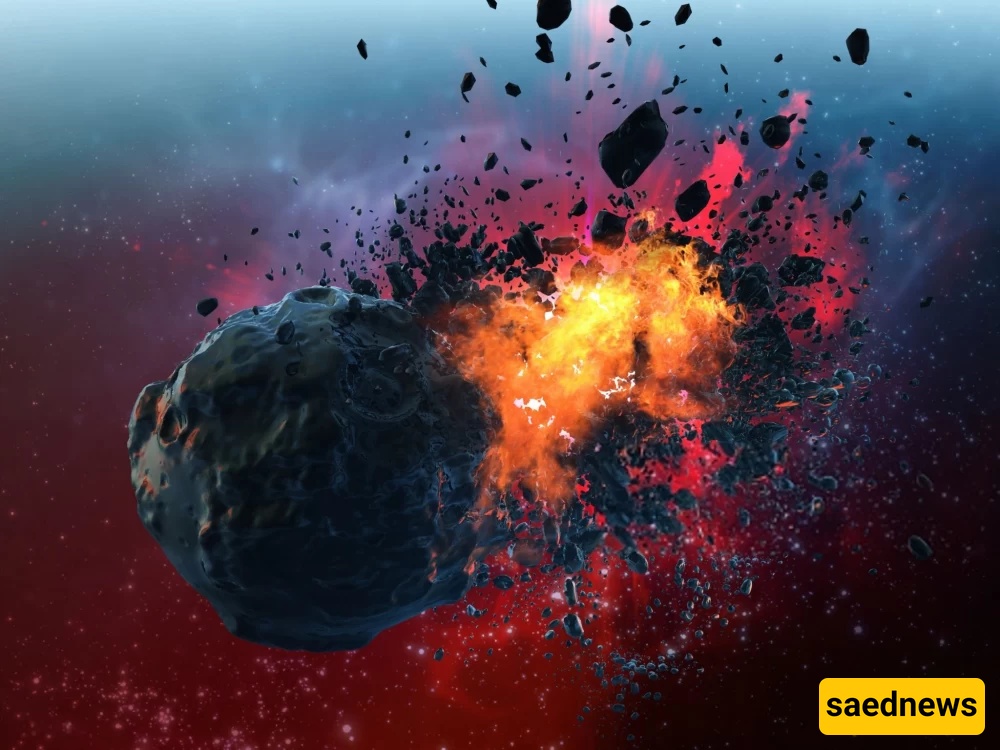
Powerful impacts can also generate intense shock waves, trigger earthquakes, start fires, and potentially contribute to volcanic activity.
A large asteroid impact can release vast amounts of dust and debris into the atmosphere. These particles may block sunlight, lower global temperatures, and disrupt Earth's climate. Such changes can damage ecosystems, reduce biodiversity, and threaten food supplies.
The Chicxulub impact, for example, caused widespread environmental disruption and played a major role in the Cretaceous–Paleogene mass extinction.
An asteroid striking the ocean could also generate destructive tsunamis, particularly near the impact site and surrounding coastlines. The severity of the waves would depend on the object's size, speed, impact angle, and location.
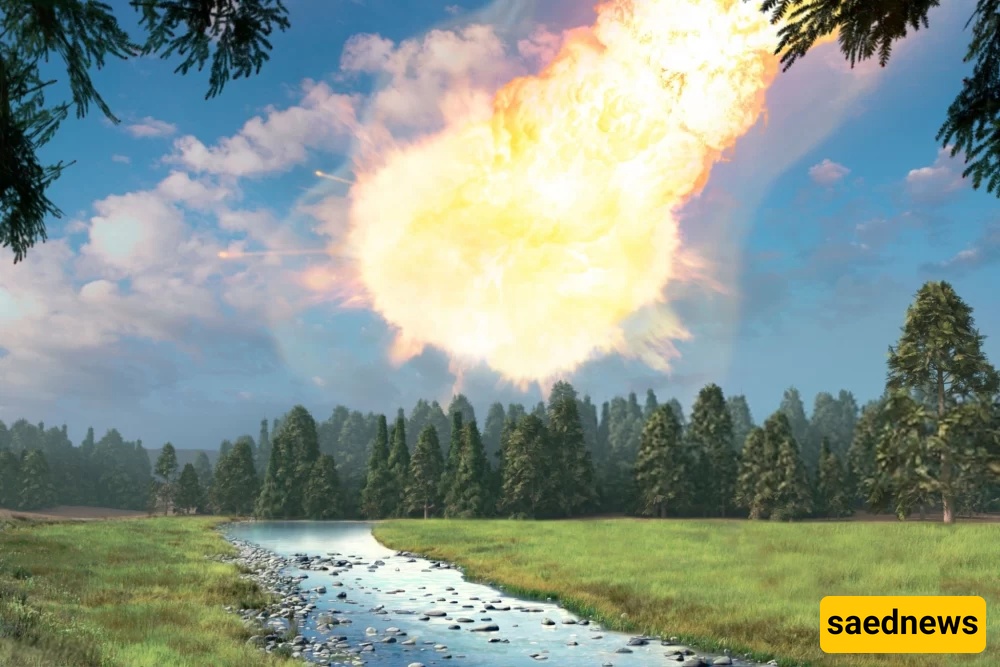
The energy released by an asteroid impact depends on its size, density, speed, and composition. Even relatively small space rocks can cause substantial damage if they explode in the atmosphere or strike a populated area.
A larger object could destroy buildings over a wide area, while a massive asteroid could cause global environmental changes and threaten civilization.
Yes. Smaller asteroids can still pose a threat, especially when they explode close to the ground or reach densely populated regions. The damage depends on the object's size, speed, and whether it breaks apart in the atmosphere.
For example, an object several tens of metres across could produce a powerful airburst, damaging buildings and injuring people over a considerable area.
A sufficiently large asteroid could cause a global catastrophe. An object several kilometres across could release enough energy to trigger widespread destruction, severe climate disruption, and mass extinctions.
However, the outcome would depend on the asteroid's characteristics and where it struck. Not every asteroid impact would threaten the entire planet, and an impact capable of causing a global catastrophe is far less common than smaller events.
A major asteroid impact could destroy infrastructure, displace communities, disrupt transportation and communications, and overwhelm emergency services. Damage to agriculture and global supply chains could lead to food shortages and long-term economic instability.
Depending on the scale of the event, recovery could take years, decades, or even longer.
Modern technology allows scientists to discover and monitor many near-Earth asteroids. Space agencies such as NASA and the European Space Agency (ESA) use telescopes, observatories, and tracking systems to calculate their orbits and assess potential impact risks.
Scientists are also developing planetary defence strategies to reduce the danger posed by hazardous asteroids.
One potential solution is to change an asteroid's trajectory before it reaches Earth. Methods under investigation include sending a spacecraft to collide with the object or using a spacecraft's gravitational pull to gradually alter its path.
NASA's DART mission demonstrated that a spacecraft impact can change the motion of an asteroid moonlet, providing an important step forward in planetary defence.
Governments and international organisations can also prepare for potential impact events through emergency planning, public education, evacuation procedures, and improved disaster response systems.
If an impact cannot be prevented, timely warnings and coordinated action could help reduce casualties and protect vulnerable communities.
An asteroid striking Earth could have consequences ranging from local destruction to a global catastrophe. The effects would depend primarily on the object's size, speed, composition, and impact location.
Although large impacts are rare, scientific advances in asteroid detection, orbital prediction, and planetary defence are helping humanity better understand and prepare for these hazards. Continued research and international cooperation are essential for reducing the risks posed by potentially dangerous space objects.