SAEDNEWS: The Science Behind the Brain’s Remarkable Ability to Predict the Future Through Experience, Pattern Recognition, and Statistical Learning
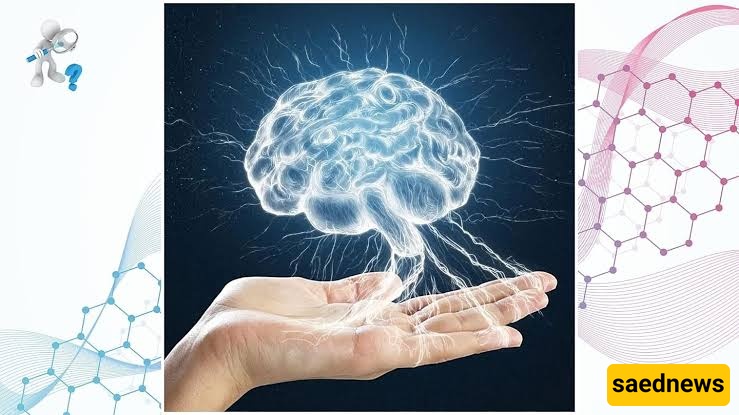
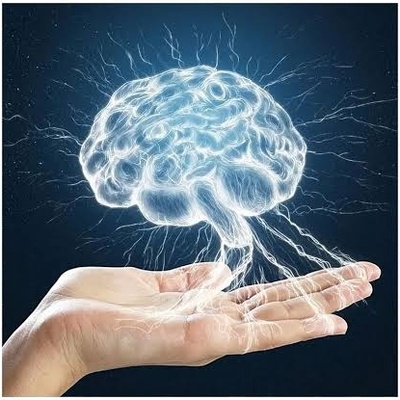
According to Saednews, Predictive ability is one of the most fascinating and controversial topics in neuroscience, psychology, and philosophy. Humans naturally seek to anticipate the future, from climate changes and social behavior to individual decisions. But can the human brain genuinely predict what will happen, or are we simply using patterns from past experiences to estimate future events? This article explores the brain’s predictive abilities, the mechanisms behind them, and the factors that influence this process.
The human brain is one of the most complex structures known to science. It is responsible not only for controlling many bodily functions but also for processing information, learning, and acquiring experience. Its remarkable information-processing capabilities allow us to recognize patterns and use them to anticipate future events.
The human brain predicts future events through several mechanisms, including the following:
1. Learning from Experience
The brain collects and analyzes information from past experiences to identify patterns. These patterns help us respond appropriately to future events. This form of prediction is particularly important in everyday decision-making and social interactions.
2. Recognizing Environmental Patterns
The brain identifies recurring patterns in the surrounding environment and uses them to anticipate what may happen next. For example, when someone observes that trees lose their leaves in autumn, they can reasonably predict that the same phenomenon will occur the following year.
3. Using Statistical Information
Without conscious awareness, the brain can draw on statistical information and general experiences involving populations to anticipate collective behaviors and tendencies. This predictive ability has applications in economic and social contexts.
Despite its remarkable capabilities, the human brain has limitations. One important factor is the presence of cognitive biases, which can influence predictions. For example, people may pay greater attention to negative experiences, potentially leading them to form overly pessimistic expectations about the future.
Personal experience and knowledge play an important role in predictive ability. People with greater expertise in a particular field can often make more accurate predictions within that area. For example, a physician with years of clinical experience may be better able to anticipate the progression of a disease than someone without medical training.
Psychological and emotional factors can also influence the brain’s ability to make predictions. Negative emotions, such as anxiety and stress, may interfere with information processing and reduce predictive accuracy. Conversely, positive mental states, such as calmness and confidence, may support clearer thinking and better judgment.
The social environment can also affect predictive ability. Interacting with others and receiving feedback can help people refine their expectations and improve their judgments. For instance, participating in group discussions allows individuals to consider different perspectives and use them to develop more informed predictions.
The human brain possesses remarkable predictive abilities. These capabilities can be explained, in part, by learning from past experiences, recognizing patterns, and drawing on statistical information. However, limitations such as cognitive biases and emotional influences must also be considered.
Prediction is an essential skill in human life, helping us make more informed decisions. By becoming more aware of the factors that influence our judgments and developing our cognitive skills, we can improve our ability to anticipate possible outcomes in both personal and professional settings.
Ultimately, whether the human brain can truly predict the future remains a fascinating scientific question. Although the brain can anticipate events by identifying patterns and estimating probabilities, its predictions are not infallible. Continued scientific research may provide deeper insights into how these processes work and how predictive abilities can be improved.