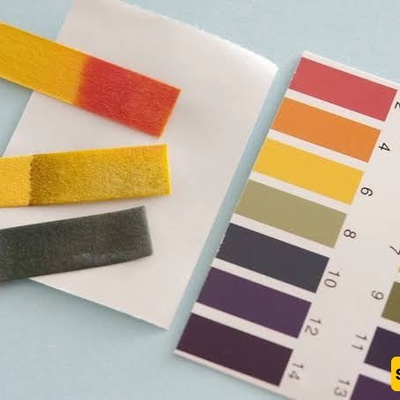
SAEDNEWS: pH paper is a simple, practical color indicator that changes color to reveal whether a solution is acidic or alkaline. It is widely used in laboratories, industry, agriculture, and everyday life.
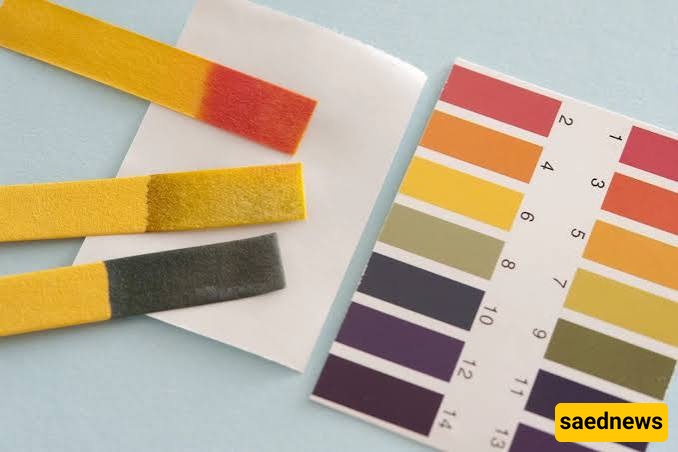
According to Saednews, pH paper is an essential tool in chemistry and laboratory work. This simple yet effective tool allows us to quickly and easily measure the acidity or alkalinity of a solution. It acts as a color indicator, with changes in color showing the pH level of the solution being tested. This article explores the composition of pH paper, how it works, its applications in industry and research, and its importance in everyday life.
pH paper is a special type of paper coated with chemicals that respond to acids and bases. When it comes into contact with different solutions, it changes color, allowing us to identify the solution’s pH level.
The pH value indicates how acidic or alkaline a solution is and is measured on a scale from 0 to 14.
pH below 7: Acidic solutions
pH equal to 7: Neutral solutions, such as pure water
pH above 7: Alkaline (basic) solutions
pH paper is typically made from paper fibers coated with chemical indicators such as phenolphthalein, methyl orange, or bromothymol blue. These substances are sensitive to changes in pH. When the paper comes into contact with a solution, the indicator reacts to its acidity or alkalinity, causing the paper to change color.
The resulting color can then be compared with a reference color chart to estimate the solution’s pH.
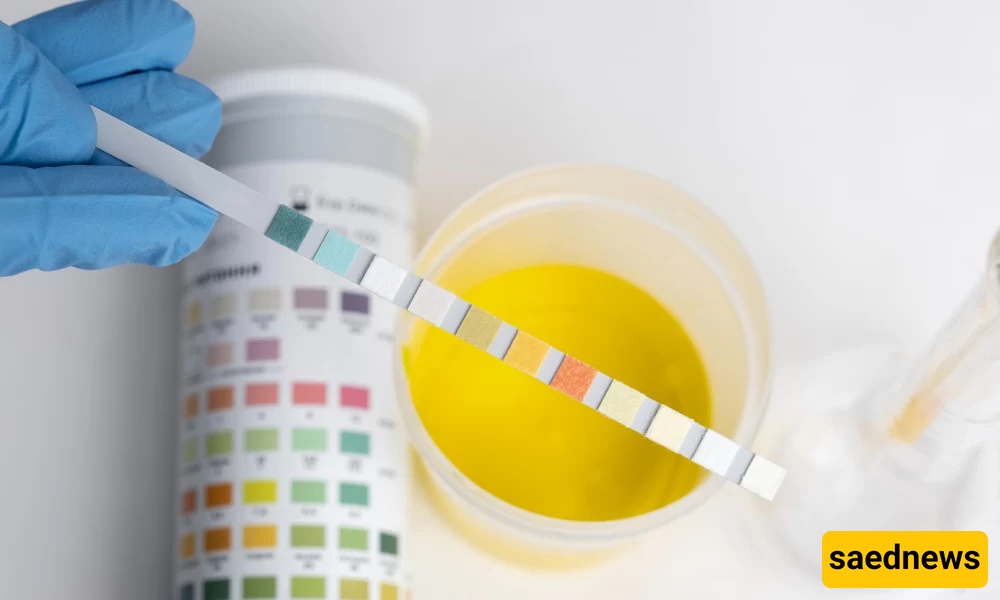
Using pH paper is a straightforward process:
Preparation: Remove the pH paper from its packaging and hold it carefully.
Testing: Dip the paper into the solution for a few seconds or apply a small amount of the solution to the paper.
Reading the results: Remove the paper and compare its color with the reference chart provided in the package to determine the approximate pH level.
pH paper is a basic tool used in laboratories. Researchers and scientists use it to measure the acidity and alkalinity of solutions during experiments and research activities. It is particularly useful in chemical and biochemical experiments where pH is an important factor.
Various industries use pH paper for product quality control and monitoring manufacturing processes.
For example, in water and wastewater treatment, pH paper can help assess the acidity or alkalinity of water and determine whether it meets specific requirements for human or industrial use. It is also used in the food industry to help evaluate product quality and safety.
Farmers use pH paper to test soil acidity. Understanding soil pH helps them make informed decisions about suitable crops, fertilizer application, and other soil management practices.
pH paper can also be useful in everyday situations. For example, it can be used to test the pH of drinking water, swimming pool water, and cleaning products to help assess their properties and suitability for specific purposes.
However, pH paper alone cannot confirm whether water is safe to drink or whether a product is safe to use.
pH measurement plays an important role in scientific research because it helps researchers understand chemical reactions and processes. Monitoring pH can also improve the reliability and consistency of experimental results.
As a simple and convenient testing tool, pH paper supports a wide range of scientific investigations and practical applications.

Expiration date: Check the expiration date before use. Expired pH paper may produce inaccurate results.
Proper storage: Store pH paper in a cool, dry place to prevent unwanted changes that could affect its performance.
Accurate results: Use high-quality pH paper and compare its color with the reference chart under suitable lighting.
Measurement limitations: pH paper provides an approximate pH value. For greater accuracy, use a calibrated pH meter.
pH paper is a practical and effective tool for measuring the acidity and alkalinity of solutions. Its wide range of applications in laboratories, industry, agriculture, and everyday life makes it valuable for testing and monitoring different substances.
Understanding how pH paper works and how to use it correctly can help improve quality control and support scientific investigations. Despite its simplicity, pH paper remains a useful instrument in chemistry and many other fields.