SAEDNEWS: This article explores the scientific reasons alcohol resists freezing, how its freezing point differs from water, and the role of hydrogen bonds.
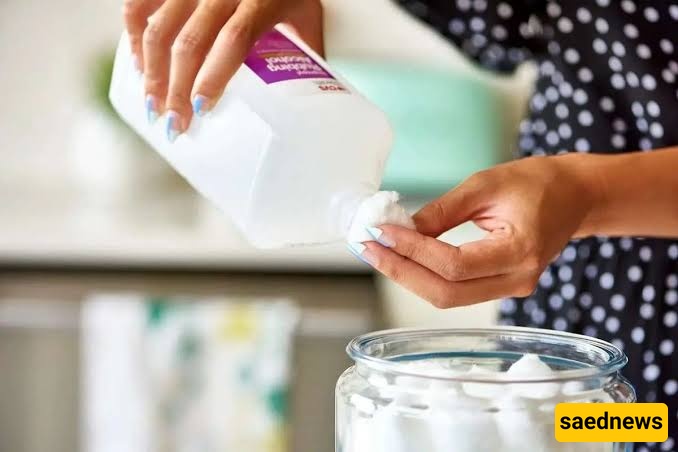
According to Saednews, Alcohol is a group of chemical compounds with different molecular formulas. The type commonly referred to as alcohol is ethyl alcohol, also known as ethanol. It is produced through the fermentation of plant-based materials such as rice and barley.
Alcohols can be divided into two main categories:
Aliphatic alcohols: Generally represented by the formula CₙH₂ₙ₊₁OH.
Aromatic alcohols and related compounds: Associated with aromatic ring structures, such as benzene rings.
Some aromatic compounds, such as phenol, can become solid under suitable conditions. However, the freezing behavior of alcohols depends on their chemical structure and physical properties.
Freezing occurs when a liquid reaches a sufficiently low temperature for its molecules to arrange themselves into a solid structure. Alcohol does not remain liquid under all conditions; rather, certain types of alcohol have freezing points far below the freezing point of water.
The reason alcohol does not freeze at ordinary temperatures is primarily related to its molecular structure, intermolecular forces, and freezing point.
For a substance to freeze, its temperature must fall below its freezing point under the given pressure conditions.
Under standard atmospheric pressure (one atmosphere, or 101.3 kilopascals), water freezes at 0°C (32°F).
In contrast, the freezing points of some common alcohols are significantly lower:
Ethanol (ethyl alcohol): Approximately −114°C (−173°F).
Methanol (methyl alcohol): Approximately −98°C (−144°F).
Isopropyl alcohol (2-propanol): Approximately −89°C (−128°F).
These low freezing points explain why pure ethanol and many other alcohols remain liquid at temperatures where water freezes.
One important factor is the hydroxyl group (−OH) found in alcohol molecules. This group allows alcohol molecules to form hydrogen bonds with one another. Although these bonds create intermolecular attraction, the molecules do not necessarily arrange themselves into a solid crystalline structure at temperatures close to 0°C.
The overall molecular structure and the balance between intermolecular attractions and molecular movement determine the temperature at which an alcohol freezes.
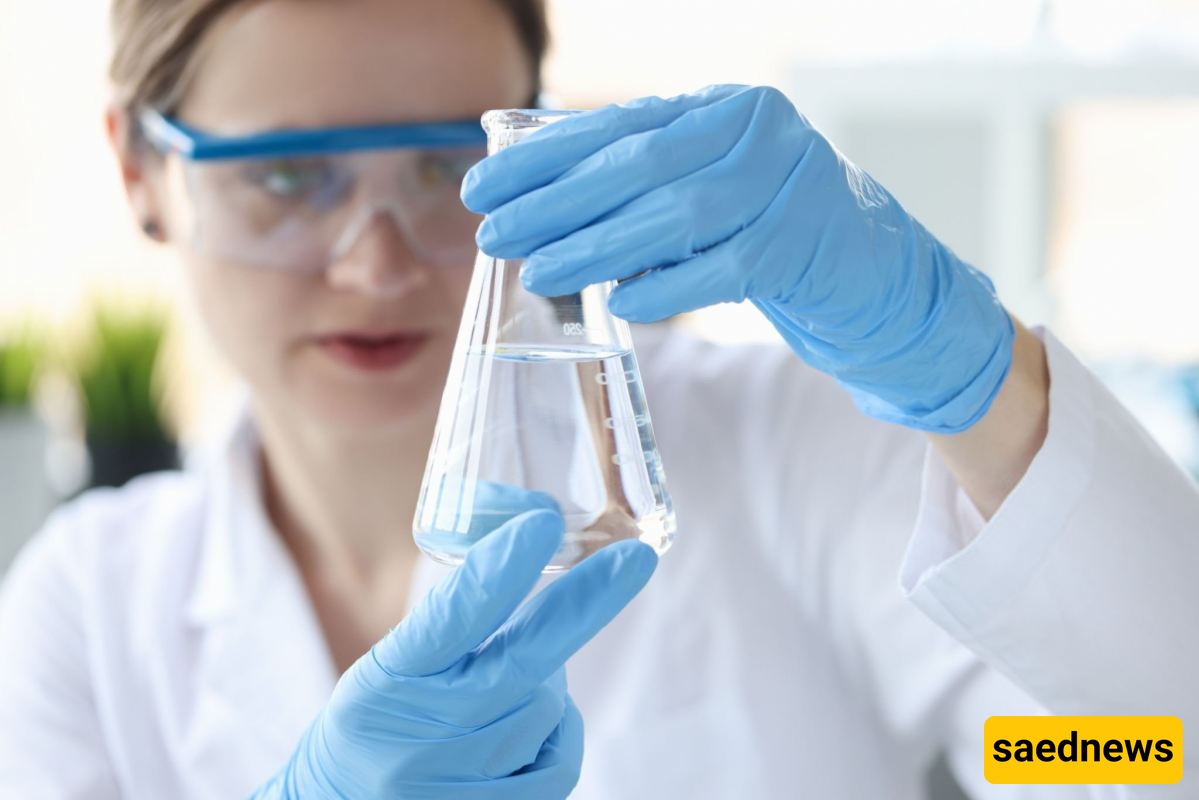
In liquids such as water, molecules can organize into a crystalline structure as the temperature decreases. Alcohol molecules also experience intermolecular forces, including hydrogen bonding, dipole–dipole interactions, and van der Waals forces.
However, the arrangement and strength of these interactions vary between different substances. The molecular structure of an alcohol influences how easily its molecules form an ordered solid.
Consequently, alcohols generally require much lower temperatures than water to freeze. The exact freezing point depends on the type of alcohol, its purity, and the composition of the mixture.
The main explanation is its low freezing point. At room temperature, ethanol and many other common alcohols are well above their freezing temperatures, so they remain liquid.
Hydrogen bonding contributes to the physical properties of alcohols, but it does not create a protective layer that prevents them from freezing. When the temperature falls sufficiently below an alcohol's freezing point, its molecules can form a solid.
Alcohol's resistance to freezing at ordinary temperatures is mainly explained by its low freezing point, which is determined by its molecular structure and intermolecular interactions.
Two key points explain this behavior:
Low freezing point: Common alcohols such as ethanol freeze at temperatures far below 0°C.
Molecular structure and intermolecular forces: These influence how molecules arrange themselves into a solid and determine the freezing temperature.
Alcohol can freeze when exposed to sufficiently low temperatures. It does not remain liquid under all conditions.
Alcohols have molecular structures and intermolecular interactions that differ from those of water. These differences affect how readily their molecules form a crystalline solid and result in different freezing points.
No. Alcohols can freeze when temperatures fall below their respective freezing points. Ethanol and methanol, for example, freeze at temperatures below −90°C.
Hydrogen bonds contribute to the attraction between alcohol molecules and influence their physical properties. However, they do not prevent freezing. The freezing point depends on the combined effects of molecular structure and intermolecular forces.
Yes. Adding alcohol to water generally lowers the mixture's freezing point, depending on the proportions of each component. This principle is used in automotive antifreeze formulations to help prevent liquids from freezing in cold weather.
Because the freezing point of common alcohols, such as ethanol, is much lower than 0°C. At the freezing point of water, pure ethanol remains liquid.