SAEDNEWS: Brown spots and dark patches that appear on the skin can often make people feel self-conscious or uncomfortable. While some people consider these marks a natural part of their unique appearance, many others find them bothersome and would prefer to reduce their visibility.
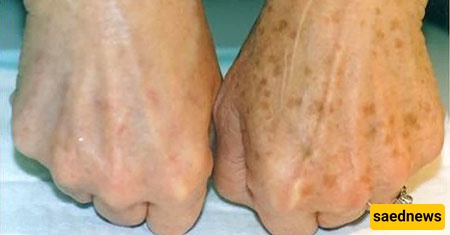
According to Saednews, Fungal brown spots on the skin are caused by a type of fungus that normally lives on the skin. When this fungus grows excessively, it can lead to a skin condition and the appearance of discolored patches. The infection may occur for several reasons, including:
Oily skin
Living in a hot and humid climate
Excessive sweating
Having a weakened immune system
This condition can affect people with different skin tones, particularly teenagers and young adults.
Acid produced by the growing fungus can cause changes in the color of different areas of the skin. The affected areas may appear as patches of different colors. Common symptoms and signs include:
White, pink, red, or brown patches that may be lighter or darker than the surrounding skin
The affected areas do not tan in the same way as the rest of the skin
Patches can appear anywhere on the body but are most commonly seen on the neck, chest, back, and arms
The patches may become less noticeable during colder weather and worsen in warm, humid conditions
The affected skin may become dry, scaly, itchy, and uncomfortable
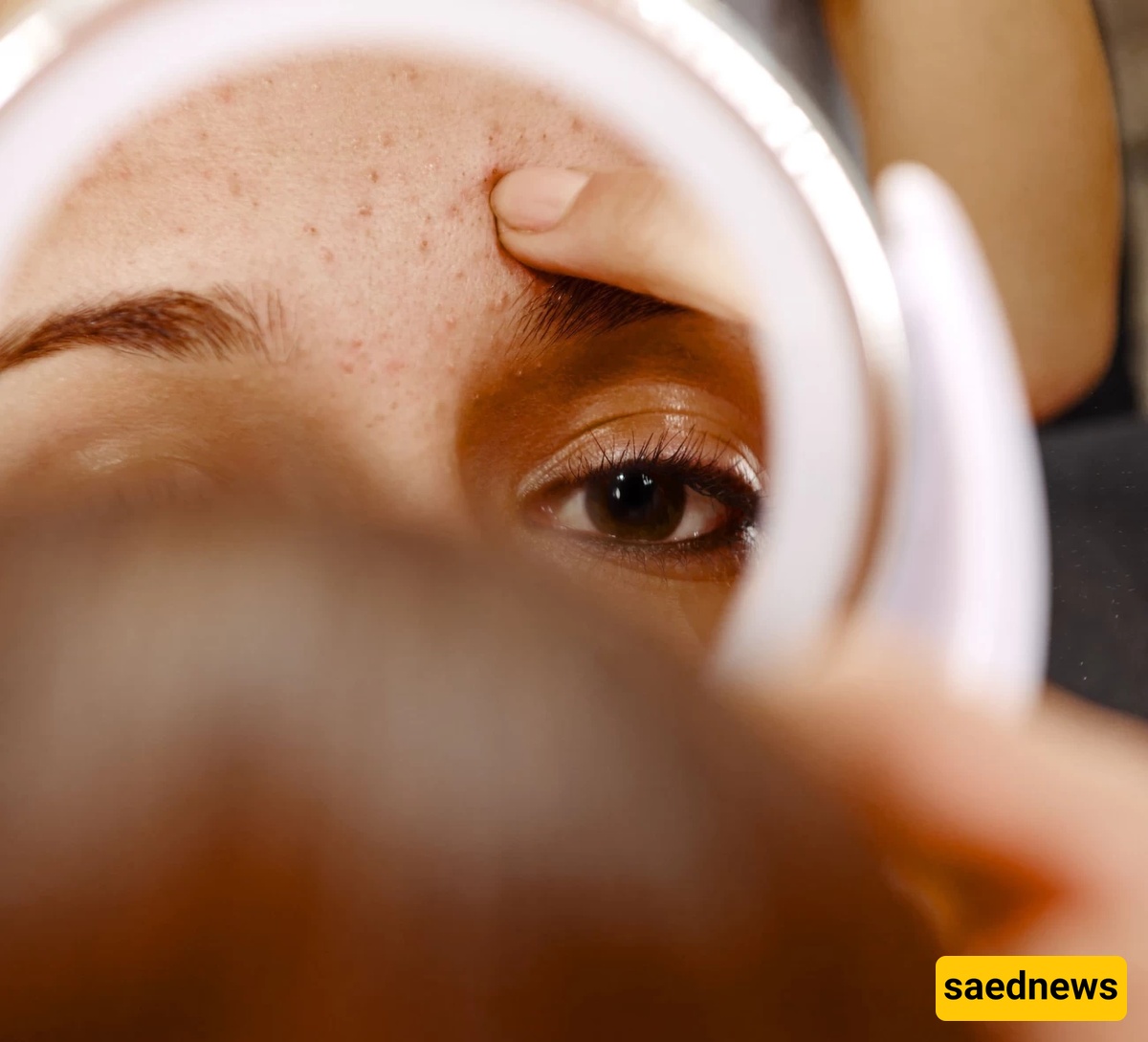
A doctor can often diagnose the condition based on the appearance of the affected skin. Ultraviolet light may be used to examine the patches, which can appear yellow-green under the light. The doctor may also take a small skin sample and examine it under a microscope.
Age Spots and Liver Spots on the Skin
Melanin is the pigment found in the outer layer of the skin, known as the epidermis, and it gives skin its natural color.
Exposure to ultraviolet (UV) radiation increases melanin production and can eventually cause areas of the skin to become darker. These spots are commonly known as age spots or liver spots.
Age spots are usually flat and brown and develop gradually as a result of environmental factors, particularly long-term sun exposure.
They generally become more noticeable after the age of 40 and commonly appear on the backs of the hands, face, forearms, forehead, and shoulders.
Flat brown or dark-brown patches
Usually painless
People over the age of 40 and those who spend a lot of time in the sun are more likely to develop age spots.
Common causes and contributing factors include:
Sun exposure: UV radiation stimulates the production of melanin, which can lead to dark spots on the skin.
Heredity
Certain antibiotics, such as tetracyclines
Diuretic medications
Aging
Some foods and chemicals, including psoralens, can increase the skin's sensitivity to sunlight. These substances do not directly create age spots but can make the skin more sensitive to UV radiation, increasing the likelihood of pigmentation.
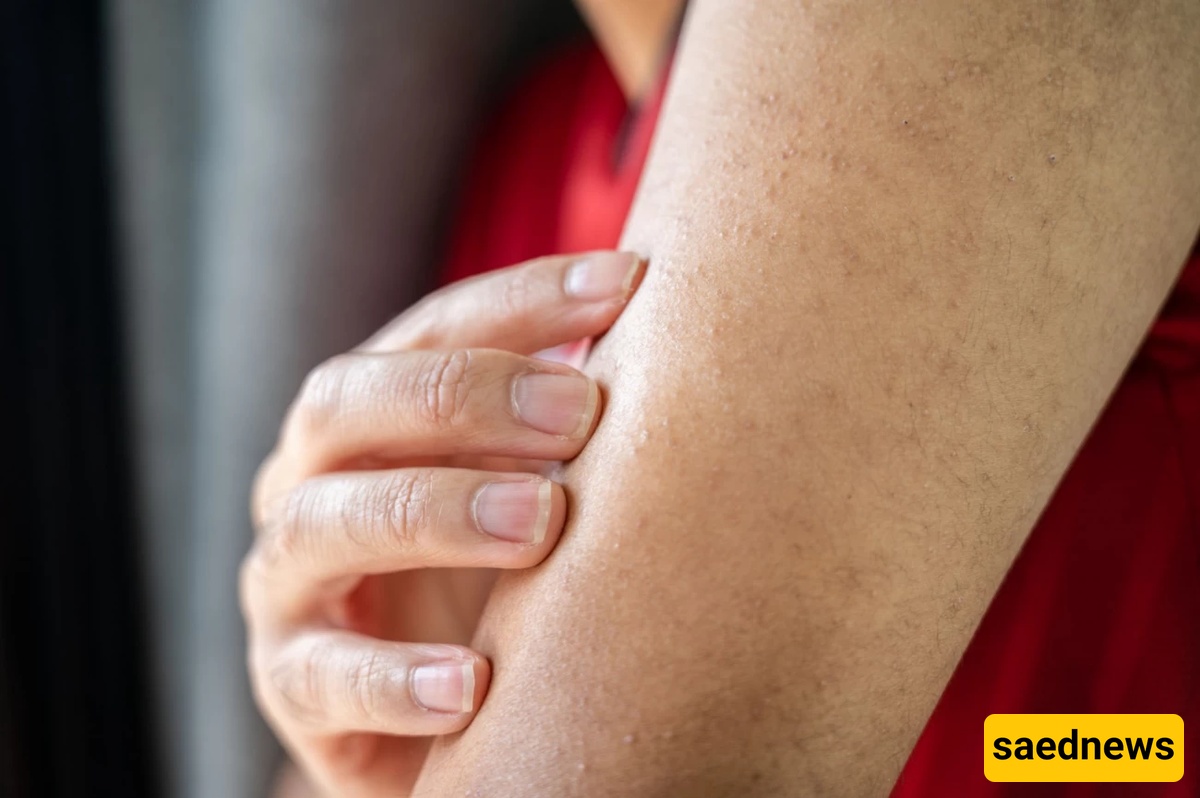
Age spots are generally diagnosed based on their appearance.
People over 40 or those with significant sun exposure are more likely to develop them.
Age spots are usually harmless. However, if a spot changes in its shape, size, or color, a dermatologist may recommend a biopsy to determine whether skin cancer is present.
Treatment Options for Brown Skin Spots
Treatment for fungal skin discoloration may include creams, lotions, shampoos, or oral medications. The choice of treatment depends on the size, location, and thickness of the affected area.
Treatment options include:
These products are applied directly to the skin and may come in the form of lotions, creams, soaps, or shampoos. They help control fungal growth.
Common antifungal ingredients include zinc pyrithione, selenium sulfide, miconazole, clotrimazole, and terbinafine.
Oral antifungal medications may be prescribed to treat fungal skin infections, particularly when topical treatment is insufficient. These medications can have side effects and should be used under medical supervision.
Treatment can usually control the fungal infection, but the skin's discoloration may take several months to return to its normal appearance.
Tips for Managing Fungal Brown Spots
This condition is relatively common because the fungus responsible for it normally lives on the skin. Medicated cleansers may sometimes be used once or twice a month to help prevent recurrence. They may be particularly useful for people living in hot and humid environments.
Helpful measures include:
Avoid products that are specifically formulated for very oily skin if they worsen the condition.
Limit sun exposure because sunlight can make the discoloration more noticeable.
If you need to spend time outdoors, follow your doctor's recommendations regarding antifungal products.
Use sunscreen every day. An oil-free sunscreen with an SPF of at least 30 can help protect the skin.
Avoid wearing tight clothing.
Choose breathable cotton clothing to reduce sweating.
Liver spots, also known as age spots, are brown areas of pigmentation that commonly become more noticeable with age, particularly on the hands and face.
Home Remedies for Fading Dark Spots
Some traditional home remedies are commonly recommended for reducing the appearance of dark spots. However, their effectiveness is not well established, and some ingredients can irritate the skin or increase sensitivity to sunlight.
Grate one cucumber and add a small amount of milk and a few drops of lemon juice to create a paste. Apply the mixture to the face and wash it off after about 15 minutes.
Apply cold milk to the skin and gently massage it. Milk contains lactic acid, which may have a mild exfoliating effect. After about 15 minutes, rinse the skin with water.
Some people apply lemon juice directly to age spots. However, lemon juice can irritate the skin and may increase sensitivity to sunlight. It is therefore safer to avoid exposing the treated skin to sunlight.
Mix equal amounts of plain yogurt and honey and apply the mixture to the affected areas. Leave it on for a short period before washing it off.
Aloe vera gel is sometimes applied to areas of pigmentation twice a day.
Castor oil is traditionally used as a natural remedy for age spots. It can be applied to the affected areas morning and evening.

Some home remedies recommend applying diluted apple cider vinegar to dark spots. Because vinegar can irritate or burn the skin, it should be used cautiously and properly diluted.
Possible Complications of Brown Skin Spots
Most age spots are harmless. However, visible skin discoloration can sometimes cause emotional or cosmetic concerns.
In some cases, existing pigmented spots may also make it more difficult to notice changes associated with skin cancer.
If a spot changes in its appearance, including changes in its shape, size, color, or texture, it is important to consult a dermatologist.
Most fruits and vegetables do not cause skin pigmentation. Foods rich in antioxidants may help protect the skin from oxidative stress and UV-related damage.
Examples of antioxidant-rich foods include:
Berries
Cherries
Pineapple
Kiwi
Grapefruit
Cabbage
Artichokes
Spinach
Red beets
A balanced diet containing a variety of fruits and vegetables can contribute to overall skin health.