SAEDNEWS: Gene therapy treats diseases by replacing faulty genes with healthy ones, offering a promising alternative to traditional treatments. It is being used to address conditions such as hemophilia, thalassemia, and some cancers.
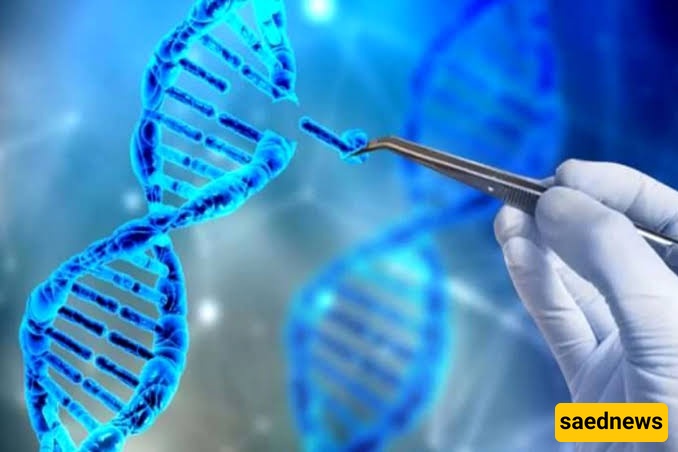
Gene therapy is an innovative medical approach that aims to treat certain diseases by modifying or correcting genetic material. In this article, we explore the basic concepts behind genes and DNA, how gene therapy works, the methods used to deliver therapeutic genes, and the possible risks associated with this developing field.
Before understanding gene therapy, it is useful to understand the roles of genes and DNA.
If you resemble your parents, your genes are largely responsible for inherited characteristics. Genes are the basic units of heredity and contain the information needed to determine many of an individual's physical and biological traits.
DNA is the molecule that stores genetic information. Genes are specific sections of DNA that cells use to produce particular biological products, such as proteins. DNA is located primarily inside the cell nucleus, where it is packaged into structures called chromosomes.
A simple way to visualize this is to imagine DNA as a train and genes as the individual carriages arranged along it. Each gene contains specific genetic information that can contribute to characteristics inherited from our parents.
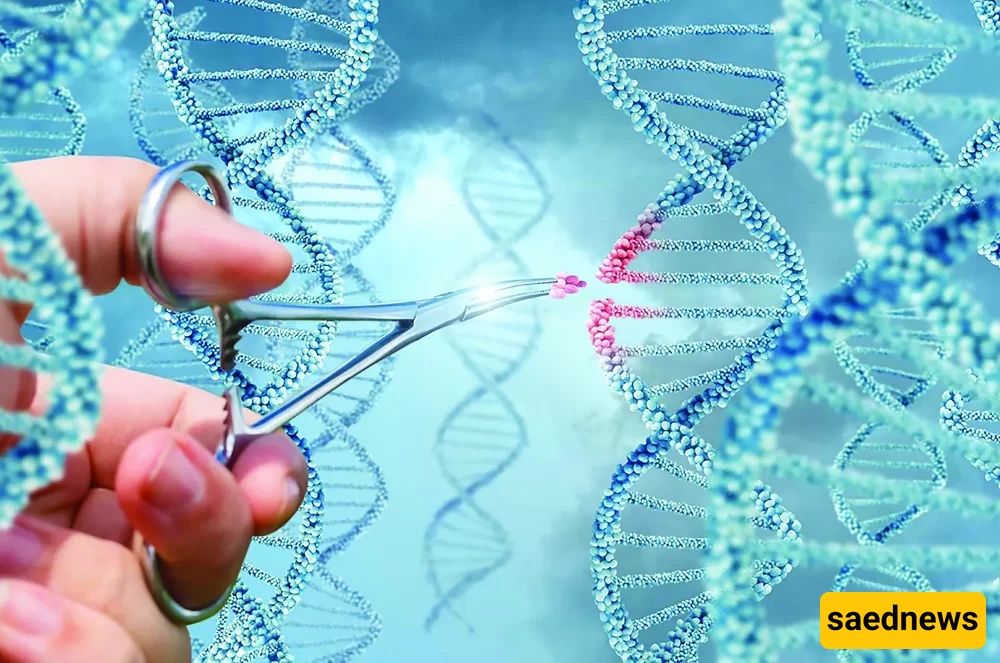
Gene therapy, also known as gene therapy treatment or gene transfer therapy, is an approach designed to address diseases caused by genetic abnormalities.
In some cases, a defective gene may fail to perform its normal function because its DNA sequence has changed. Such a change is known as a mutation. Gene therapy can attempt to correct the problem by introducing a functional gene, replacing or modifying a faulty gene, or preventing a harmful gene from functioning.
Using the train analogy, imagine that one carriage becomes damaged and causes a problem with the overall system. A possible solution would be to repair or replace that carriage so that the train can function properly again.
Gene therapy does not always simply mean replacing a defective gene. Depending on the disease and treatment strategy, scientists may use genetic material in several different ways.
Therapeutic genetic material can be used in different ways, including:
Adding a new gene: A functional gene may be introduced into cells to help the body fight or manage a disease.
Replacing a faulty gene: A defective or mutated gene may be replaced with a functional version of the same gene.
Switching off a harmful gene: A gene that is malfunctioning or producing a harmful effect may be disabled or prevented from expressing its activity.
For therapeutic genes to reach the appropriate cells, scientists generally need a delivery system known as a vector. Vectors transport the genetic material into target cells while protecting it during delivery.
Vectors can be broadly divided into viral and non-viral systems. Non-viral delivery technologies are an active area of research, while several approved and experimental gene therapies use specially modified viruses as delivery vehicles.
Viruses naturally have the ability to enter human cells and deliver genetic material. Researchers can modify certain viruses so that they cannot cause the disease normally associated with the original virus.
During this process, disease-causing or unnecessary viral components can be removed or altered, while the therapeutic genetic material is incorporated into the vector. The modified vector can then deliver the desired genetic instructions to specific cells.
Gene therapy research and treatment have been explored for a variety of conditions, including certain inherited eye disorders, hemophilia, thalassemia, some cancers, and other genetic or infectious diseases. The availability and effectiveness of these treatments vary considerably depending on the specific condition and therapy.
Because gene therapy involves modifying or delivering genetic material, safety is an important consideration. The potential risks depend on the type of therapy, the vector used, the target cells, and the patient's individual circumstances.
Possible concerns include:
The therapeutic genetic material could affect unintended cells or tissues.
The immune system may recognize the delivery vector or newly introduced genetic material and produce an unwanted response.
Some viral vectors may cause complications related to the body's immune response.
Genetic changes could potentially have unintended effects that are not immediately apparent.
The long-term safety and effectiveness of some newer gene therapies may require years of follow-up.
Not every theoretical risk necessarily occurs in clinical practice. Researchers evaluate gene therapies through laboratory studies and clinical trials to determine their safety, effectiveness, and potential long-term complications.
Gene therapy represents an important area of modern medicine because it seeks to address diseases at the genetic level rather than relying only on conventional medications or surgery.
Although the technology has already produced successful treatments for certain conditions, many gene therapy approaches remain under investigation. Continued research and long-term clinical monitoring are essential for understanding their benefits, limitations, and safety.
As the field develops, gene therapy could become an increasingly important tool for treating inherited disorders and other serious diseases.