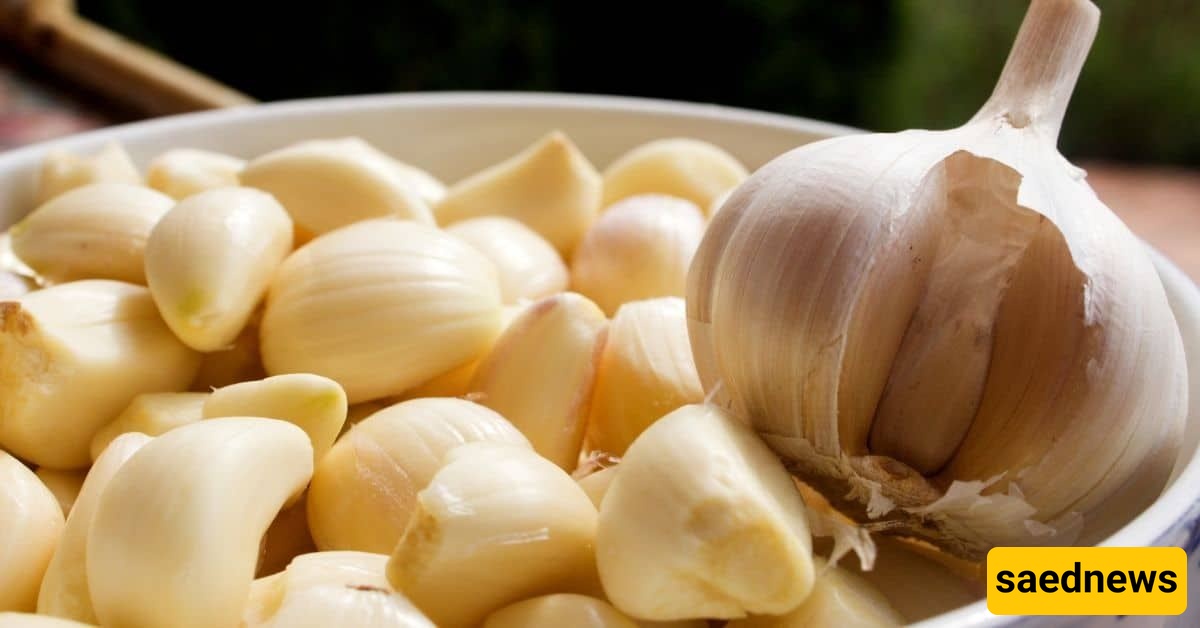
SAEDNEWS: Garlic turning yellow doesn’t always mean it has gone bad. In this article, we explore the main causes of yellowing garlic to help you make informed decisions about buying and eating it.
According to Saednews, Garlic turning yellow refers to a change in the color of its cloves from white or light cream to pale yellow, deep yellow, or amber. This discoloration may appear on the surface or inside the cloves. In some cases, only one clove turns yellow while the rest of the bulb remains healthy. In other cases, the yellowing gradually spreads to several cloves or the entire bulb.
The important thing to understand is that yellowing garlic does not always indicate the same problem. Sometimes, the color change results from aging and declining quality. In other cases, it may be related to improper storage, physical damage, or a physiological disorder. Therefore, before deciding whether to eat or discard yellow garlic, it is important to understand the main causes of discoloration.
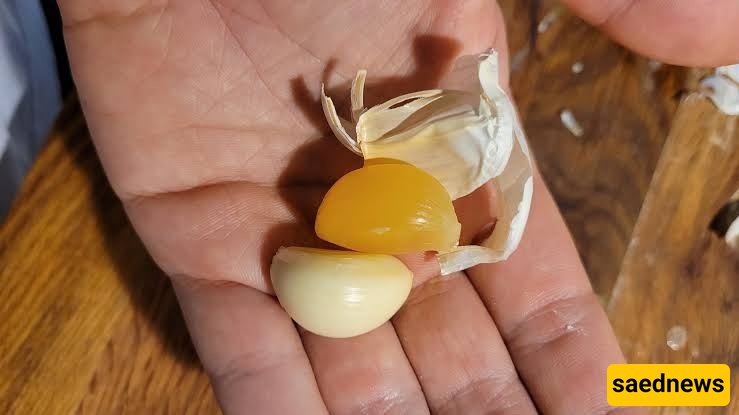
Over time, garlic may lose some of its moisture, causing its appearance to change. In these circumstances, mild yellowing alone does not necessarily indicate spoilage. However, if the cloves also become wrinkled, hollow, excessively dry, or poor in quality, they have lost some of their original freshness.
Garlic stored for extended periods under unsuitable conditions is more susceptible to these changes.
Sometimes, yellowing inside garlic is associated with a physiological disorder known as waxy breakdown. In this condition, the cloves may initially turn yellow and later become amber-colored. In more severe cases, the flesh may develop a translucent, water-soaked, or waxy appearance.
This condition differs from simple discoloration and generally indicates a decline in the quality and texture of the garlic.
Excessive moisture, poor ventilation, unsuitable temperatures, and improper storage increase the risk of mold growth and garlic decay.
To maintain its quality, garlic needs a cool, dry environment with adequate air circulation. Storing garlic in a humid environment or a sealed plastic bag may create conditions that encourage fungal growth and deterioration.
Impacts, pressure, cuts, or damage to the protective skin can allow spoilage organisms to enter the cloves.
Under these conditions, yellowing may occur alongside softness, a watery texture, an unusual smell, or suspicious spots. When purchasing garlic in bulk, it is especially important to inspect the inner cloves and ensure that their texture remains healthy.
Not every change in garlic's appearance means it has spoiled. Yellow garlic, sprouted garlic, and spoiled garlic are three different conditions that should be distinguished from one another.
Yellow garlic: The color may change because of storage conditions, aging, or a physiological disorder. If the cloves remain firm and have their normal smell, mild yellowing alone is not a definitive sign of spoilage.
Sprouted garlic: Green shoots generally do not indicate that garlic has rotted. Sprouting means the garlic has resumed growing and may alter the flavor of the clove or make it slightly more bitter. However, if sprouting occurs alongside softness, mold, or an unpleasant smell, the garlic's quality has deteriorated.
Spoiled garlic: Spoiled garlic typically shows additional signs, such as extreme softness, decay, mold growth, a watery texture, or an unusual odor. Garlic showing these signs should not be consumed.
Therefore, determining whether garlic has spoiled requires more than simply checking its color. Its texture, smell, and other signs of deterioration are important indicators.
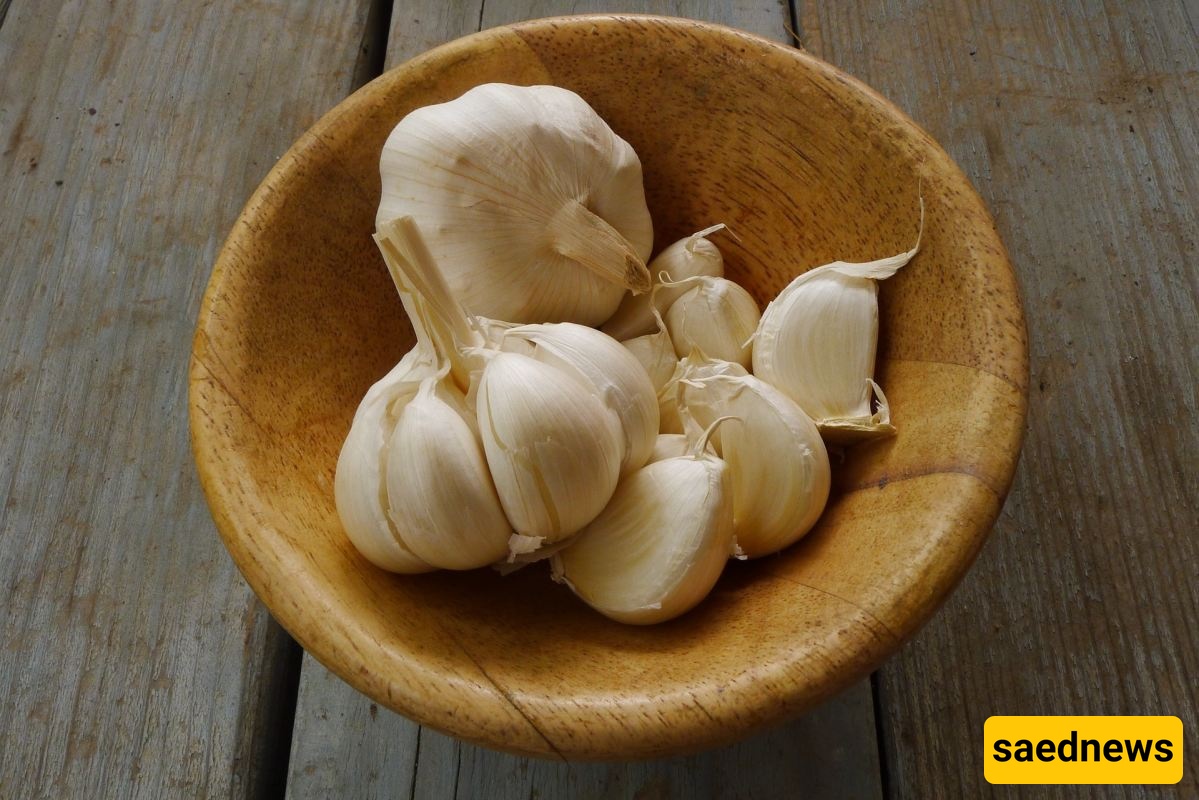
Several simple checks can help you determine whether garlic is still in good condition:
Clove firmness: Healthy garlic cloves are generally firm and plump. Soft, spongy, or watery cloves indicate declining quality.
Skin appearance: The outer skin should be dry, clean, and free of mold. Moist or black spots may indicate spoilage.
Smell: Fresh garlic has a distinctive, pungent smell. A sour, moldy, or rotten odor is a warning sign.
Sprout condition: Short green shoots do not necessarily indicate spoilage, but long sprouts accompanied by softness may suggest declining quality.
Absence of insects and pests: Tiny holes, white powder, or live insects may indicate pest infestation.
When buying garlic in bulk, it is advisable to inspect several cloves from inside the bulbs. Surface discoloration can be misleading, while examining the inner flesh provides a more accurate picture of the garlic's condition.
When purchasing garlic, do not judge its quality by color alone. Good-quality garlic should be firm, dry, clean, and free of mold. The bulb should feel reasonably heavy for its size, and the cloves should not be hollow or shriveled.
Garlic should also have its characteristic smell, without any sour or moldy odor.
For bulk purchases, inspecting sample bulbs and checking the condition of the inner cloves is essential. Transportation and storage conditions should also be evaluated, as improper handling can expose garlic to moisture, physical damage, or spoilage.
Mildly yellow garlic may still be safe to eat if the cloves remain firm, have a normal smell, and show no signs of mold or decay. However, yellowing accompanied by a watery texture, unusual softness, mold, or an unpleasant odor may indicate deterioration, and the garlic should be discarded.