SAEDNEWS: Homemade pineapple compote is one of the most aromatic and flavorful types of fruit compote. With a few simple tips, you can make a delicious, hygienic, and long-lasting pineapple compote at home.
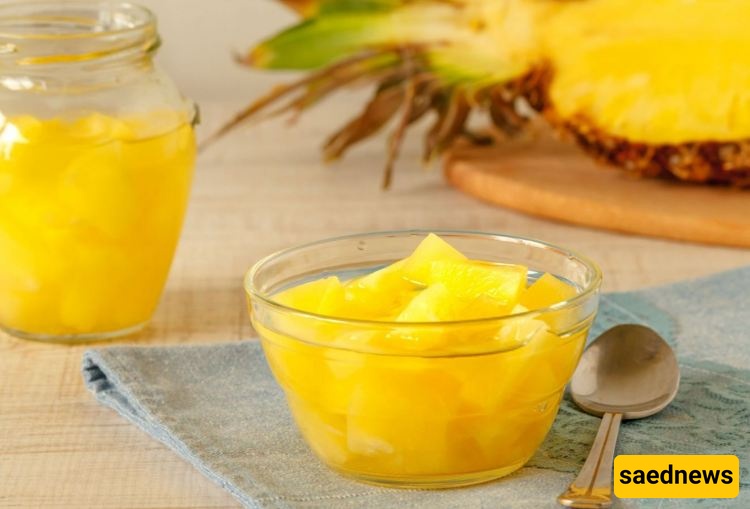
According to Saednews, Pineapple compote is one of the most delicious and fragrant homemade fruit desserts. With its distinctive aroma, sweet-and-tangy flavor, and juicy texture, pineapple is an excellent choice for making a refreshing treat that brings a taste of summer to your family’s table in any season.
Many people assume that making homemade compote is difficult and time-consuming. However, by following a few simple principles, you can prepare a hygienic, flavorful fruit compote at home. This guide covers every step, from selecting the right pineapple and preparing the fruit to making the syrup, packaging, storage, and avoiding common mistakes.
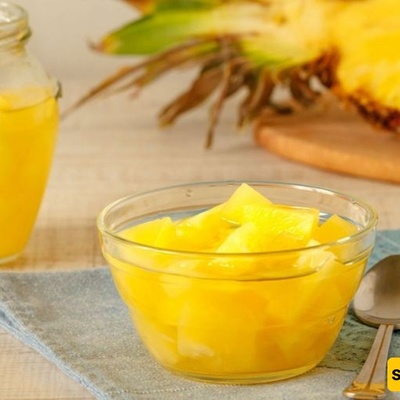
Pineapple compote is a type of preserved fruit dessert made by cooking pineapple pieces in sugar syrup. Unlike jam, compote is intended to retain the fruit’s original shape and texture, so the pineapple should not be overcooked.
Homemade pineapple compote offers several advantages:
You can control the amount of sugar.
You can avoid artificial preservatives.
You can choose the quality and ripeness of the fruit.
You can add optional flavorings such as vanilla, cinnamon, or cloves.
Pineapple compote can be served as a dessert, paired with ice cream, used as a topping for cakes and waffles, mixed with yogurt, or enjoyed as a chilled treat. Making it at home is also an excellent way to use fresh, ripe pineapple.
This recipe makes approximately four to five medium-sized jars.
Fresh, ripe pineapple: 1 medium pineapple, yielding approximately 700–800 g after peeling and trimming
Water: 1 liter
Sugar: 250–300 g, depending on your preferred sweetness
Fresh lemon juice: 1 tablespoon
Vanilla, cinnamon, or cloves: Optional, in small quantities
Glass jars with lids: Clean and sterilized
Equipment: A large saucepan, a wooden or silicone spoon, a sharp knife, and a cutting board
A stainless-steel or enamel-coated saucepan is recommended. Aluminum cookware may react with the fruit’s acidity and affect the compote’s flavor or color.
The quality of the pineapple is the most important factor in determining the final flavor and texture. Choose a pineapple that is ripe but still relatively firm. Overripe fruit may become mushy during cooking.
Look for a pleasant, sweet aroma, a golden-yellow color, and a fruit that feels relatively heavy for its size.
To prepare the pineapple:
Cut off the top and bottom.
Remove the skin with a sharp knife, making sure to cut away the dark eyes.
Divide the pineapple into two or four sections.
Remove the hard central core.
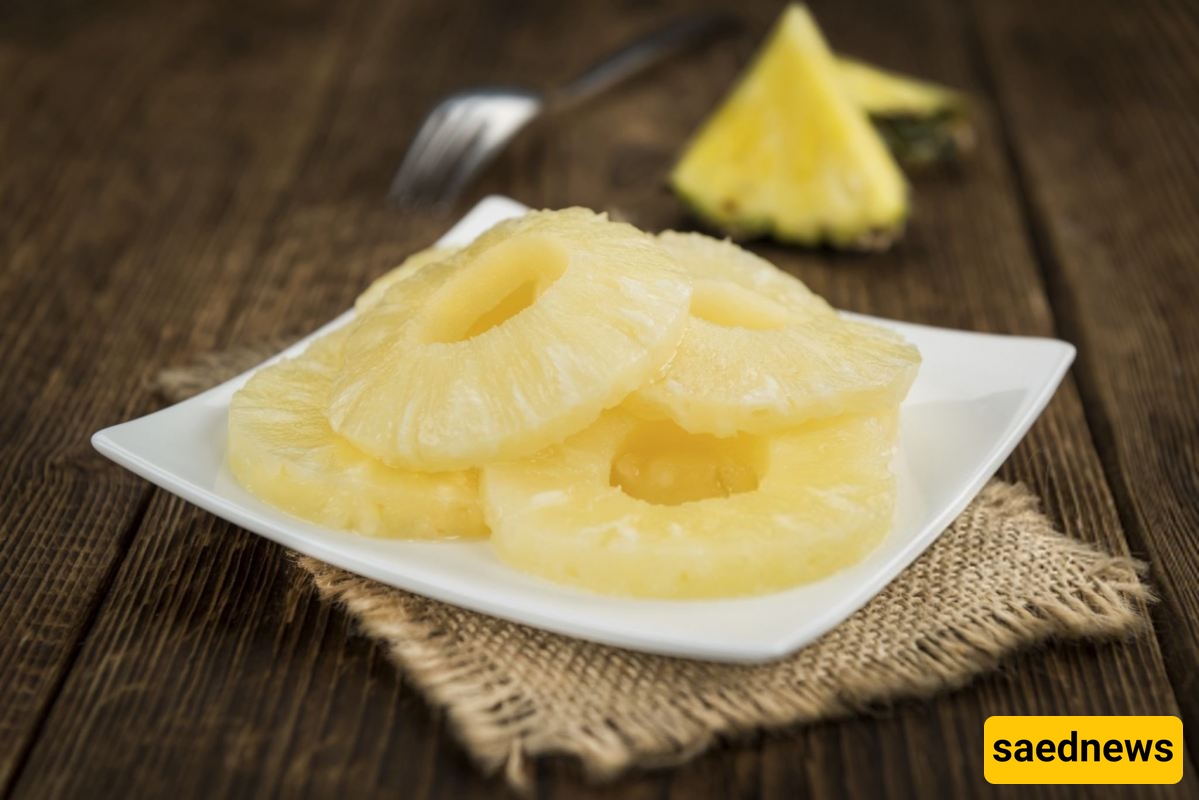
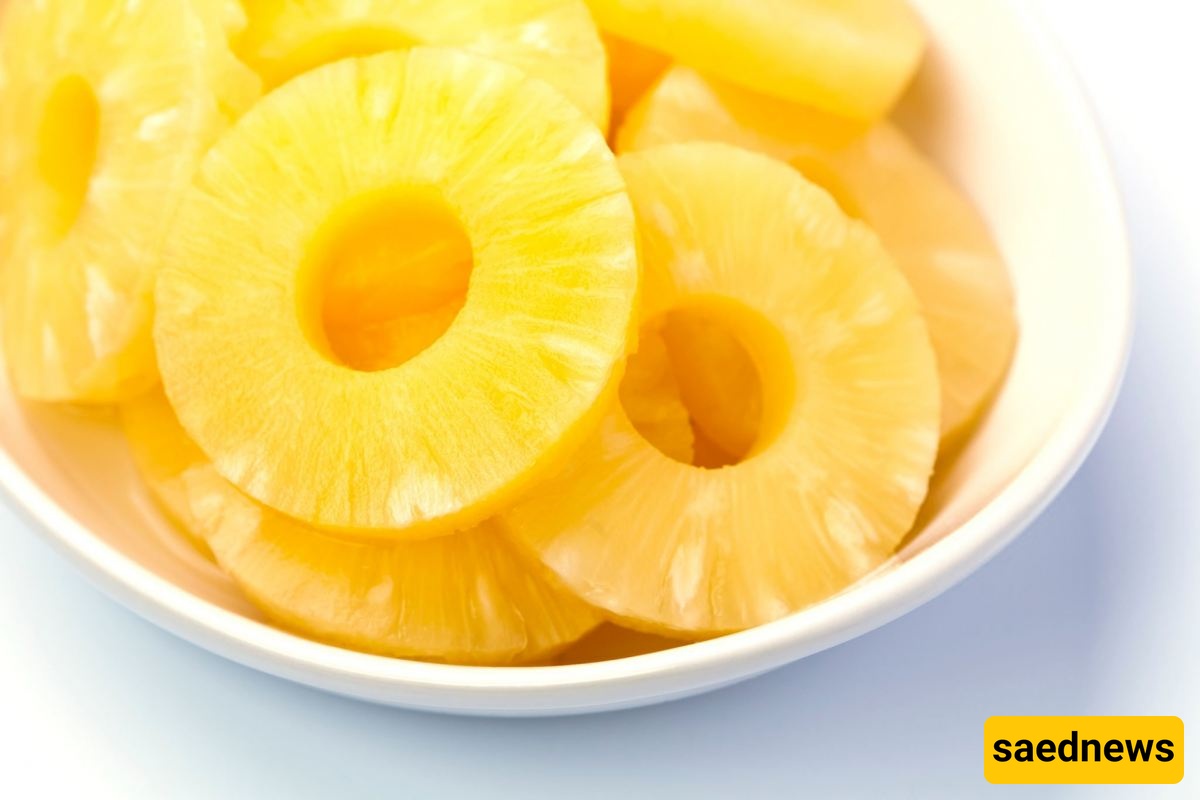
Slice the flesh into thin rings or evenly sized cubes.
Cutting the pineapple into uniform pieces helps ensure that everything cooks evenly.
To help prevent discoloration and preserve freshness, you can place the pineapple pieces in cold water with a little lemon juice while preparing the remaining ingredients.
Combine the water and sugar in a suitable saucepan. Place it over medium heat and stir until the sugar has completely dissolved.
Allow the syrup to come to a gentle boil. There is no need to boil it vigorously for a long time; the goal is simply to dissolve the sugar and create a clear syrup.
If desired, add a small amount of vanilla or a small piece of cinnamon. Avoid using too much, as the spices should complement rather than overpower the pineapple’s natural aroma.
Add the pineapple pieces to the simmering syrup. Reduce the heat and let the mixture simmer gently.
Cooking usually takes 15–20 minutes, depending on the thickness of the pieces and the ripeness of the fruit.
The pineapple should become tender while retaining its shape. If you have cut it into very thin slices, reduce the cooking time.
Add the lemon juice during the final few minutes of cooking. It helps balance the sweetness and can help maintain the fruit’s bright appearance.
Wash and sterilize the jars and lids using an appropriate method, then prepare them for filling.
Carefully arrange the pineapple pieces inside the jars and pour the hot syrup over them until the fruit is completely covered.
Leave approximately 1 cm of headspace at the top of each jar. Gently tap the jar on the counter or use a clean utensil to release trapped air bubbles.
Wipe the rims clean and close the lids securely.
The syrup’s concentration affects the sweetness and overall character of pineapple compote.
Light syrup: Contains less sugar and produces a milder sweetness.
Medium syrup: Offers a balanced flavor and is a common choice for fruit compote.
Heavy syrup: Contains more sugar but may overpower the pineapple’s natural taste.
A good starting point is 250 g of sugar per liter of water. If the pineapple is exceptionally sweet, you can reduce the sugar slightly. If the fruit is more tart, a little extra sugar may help balance the flavor.
Taste the syrup before filling the jars and adjust the sweetness as needed.
Proper storage is essential for maintaining quality and preventing spoilage.
Important food-safety note: Clean or sterilized jars and hot syrup alone do not make pineapple compote shelf-stable. The recipe's acidity, jar size, and processing method all matter. Use a tested canning recipe and follow its specified water-bath processing time if you want to store sealed jars at room temperature.
If the compote has not been processed using a validated canning method, refrigerate it promptly rather than storing it in a pantry.
Once opened, keep the jar refrigerated and always use a clean spoon to serve the compote.
Discard the compote if you notice an unusual odor, mold, unexpected foaming, or other signs of spoilage. Never taste questionable preserved food to determine whether it is safe.
Choose ripe but firm pineapple.
Cut the fruit into evenly sized pieces.
Avoid prolonged or vigorous boiling.
Add lemon juice near the end of cooking.
Use clean jars and suitable food-safe equipment.
Always use a clean spoon when serving.
Label each jar with the preparation date.
Follow a tested preservation method if you plan to store jars without refrigeration.
1. Overcooking the pineapple
Cooking the fruit for too long can cause it to become mushy and lose its appealing texture. Simmer gently and check for tenderness regularly.
2. Using unripe pineapple
Underripe pineapple may be excessively tart and have a tough texture. Choose fruit that is fragrant and ripe but still firm.
3. Overfilling the jars
Filling jars right to the rim leaves insufficient headspace and may interfere with proper sealing. Leave the amount of space specified in your tested canning recipe.
4. Neglecting jar preparation
Improperly cleaned containers can introduce contamination. Follow appropriate cleaning and sterilization procedures, along with a validated preservation process when canning.
5. Assuming a sealed lid guarantees safety
A lid that appears sealed does not necessarily mean the contents are safe for room-temperature storage. Use a tested canning procedure or keep the compote refrigerated.
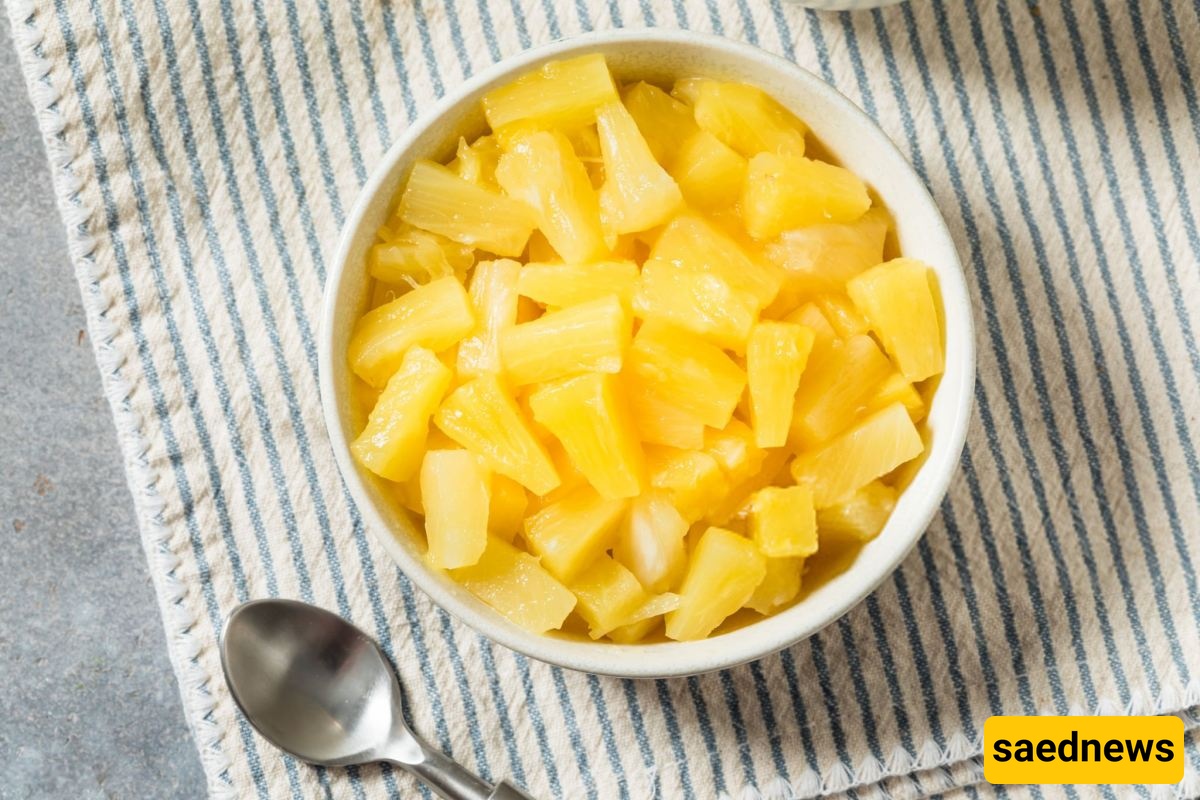
You can customize pineapple compote with a variety of ingredients:
Fresh ginger: Adds a gentle, warming flavor.
Cinnamon or cloves: Creates a richer, spiced aroma.
Apple or peach: Adds variety and a different fruit flavor.
Vanilla: Enhances the pineapple’s natural sweetness.
For serving, try chilled pineapple compote with vanilla ice cream, Greek yogurt, plain cake, pancakes, or waffles.
The leftover syrup can also be used to flavor desserts and cold drinks, provided it has been stored safely.
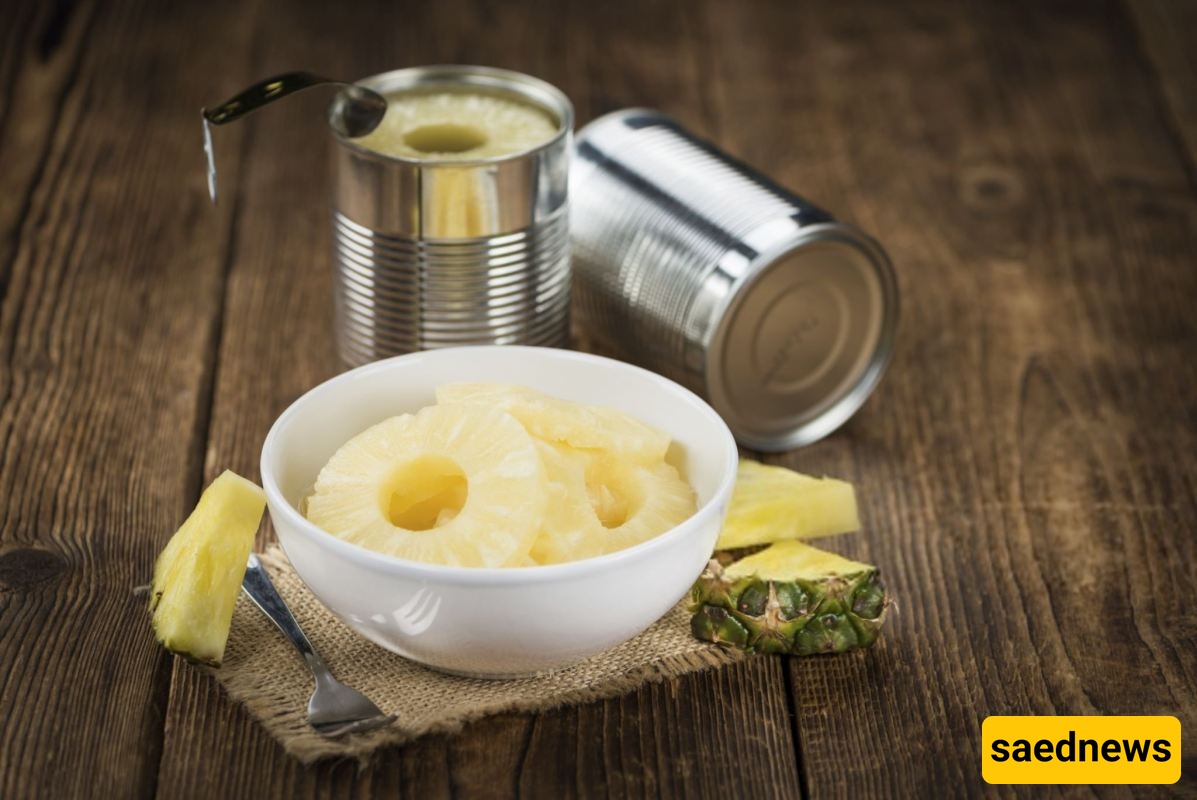
Yes. However, fresh pineapple generally offers a more distinctive flavor and firmer texture. If you use canned pineapple, drain the existing syrup and reduce the amount of sugar in your new syrup accordingly.
Storage time depends on how the compote was prepared and preserved. Refrigerated compote should be kept in a clean, covered container and consumed promptly according to safe food-storage guidance. Properly canned compote can last for months when prepared using a tested recipe and stored under appropriate conditions.
Yes, but removing sugar changes the flavor and may affect texture and preservation. Sugar-free pineapple compote should not be assumed to be shelf-stable. Refrigerate it promptly or freeze it in suitable containers.
Yes. Vanilla, cinnamon, cloves, and fresh ginger all work well. Add them sparingly to complement the pineapple rather than mask its distinctive flavor.
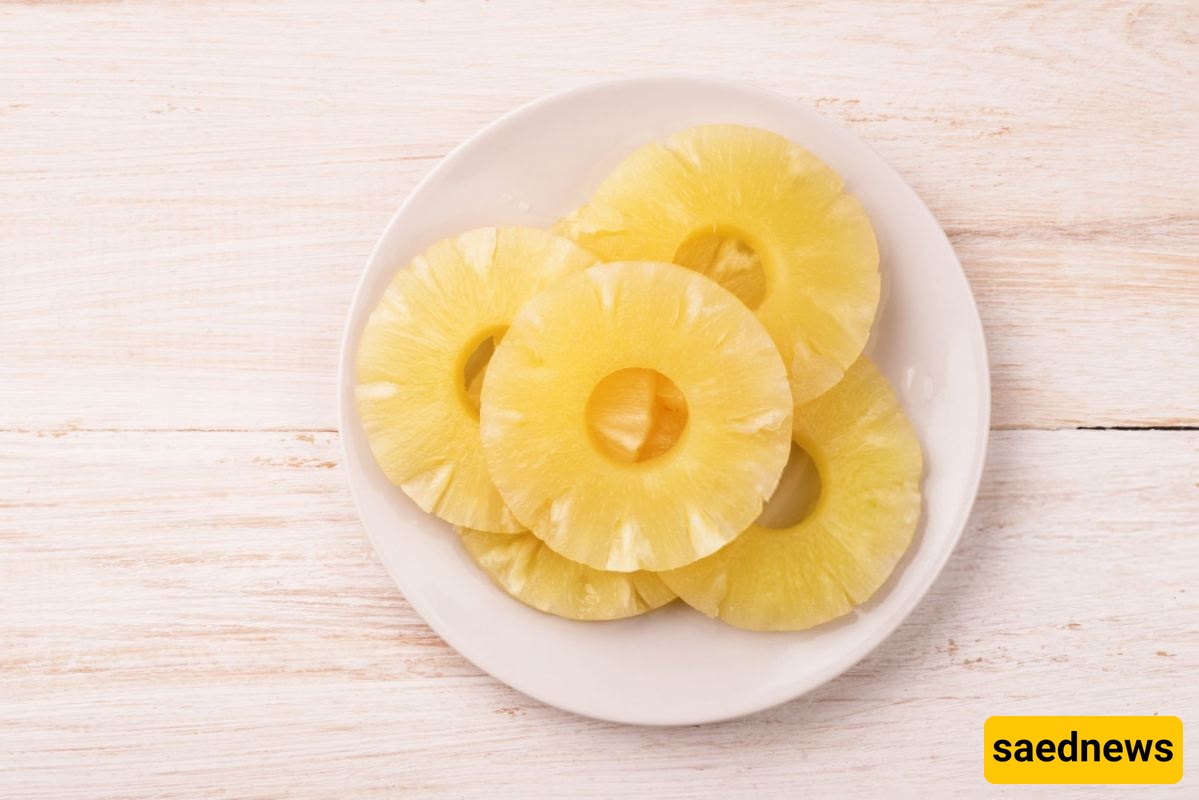
Making homemade pineapple compote is a straightforward process that requires attention to fruit selection, syrup preparation, gentle cooking, and safe storage.
By choosing ripe pineapple, balancing the sweetness, and avoiding overcooking, you can create a fragrant and delicious dessert that works beautifully on its own or alongside ice cream, yogurt, cakes, and other treats.
With the right preparation and preservation methods, homemade pineapple compote can become a versatile addition to your kitchen throughout the year.