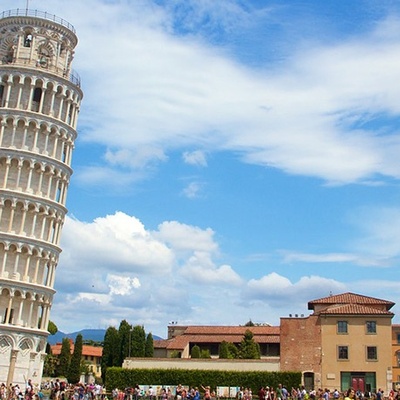
SAEDNEWS: In today’s advanced world, we encounter engineering structures built in unusual and extraordinary shapes. One example is towers deliberately designed to lean at an angle in different parts of the world. The Olympic Tower in Canada is one such structure.
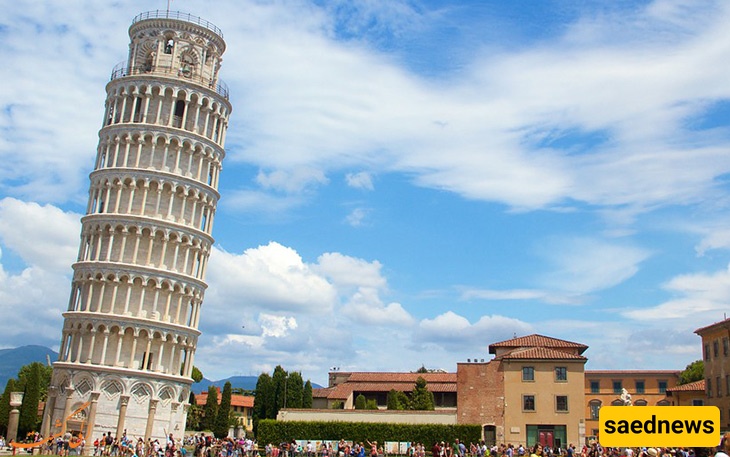
According to Saednews, Advances in science and construction technology have reached a point where engineers no longer have to wait for towers to lose their shape or tilt over time due to natural disasters such as floods and earthquakes. Instead, they can deliberately design and build leaning towers to make them more visually appealing and give them a distinctive architectural identity.
A leaning tower is a structure that stands at an angle rather than vertically, either intentionally, because of design or construction errors, or as a result of environmental factors. These unusual structures attract tourists from around the world and have become remarkable architectural landmarks.
The most famous leaning structure in the world is the Leaning Tower of Pisa in Italy, but many other examples can be found around the globe. Some towers are deliberately built at an angle according to their original designs. One example is the Olympic Stadium Tower in Montreal, Canada. Standing 165 meters tall and leaning at an angle of 45 degrees, it is recognized as the tallest leaning tower in the world.
Other examples include the Puerta de Europa twin towers in Madrid, Spain, completed in 1996. Each tower stands 114 meters tall and leans at an angle of 15 degrees, making them the world's first intentionally leaning twin towers. Another remarkable example is Capital Gate in Abu Dhabi, which was recognized by Guinness World Records in 2010 as the world's most steeply leaning man-made tower. This 35-story building stands 160 meters tall and leans 18 degrees to the west.
However, some structures begin to lean unintentionally over time, developing unusual and sometimes astonishing appearances. Modern engineering techniques have helped stabilize some of them, while others continue to tilt. These structures may lean because of natural events such as earthquakes, soft ground conditions, or construction miscalculations. When a building is constructed on soft soil, uneven settlement can occur, a problem that is particularly noticeable in tall buildings.
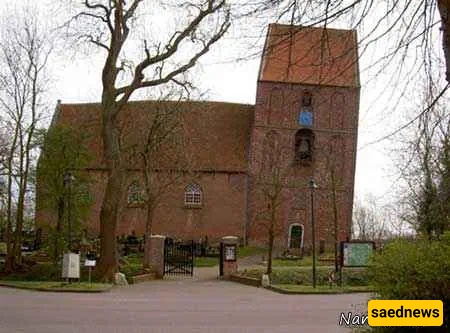
Suurhusen Church Tower, Germany
This square tower, standing 32 meters tall, was added to a medieval church in 1495. With a tilt of 5.19 degrees, it is considered one of the most tilted towers in the world, excluding more recently constructed structures.
According to historians, the tower began leaning in the 19th century. The brick structure was built on marshy ground over a foundation made of oak wood. When the ground beneath it dried out, the oak foundation deteriorated, causing the church tower to tilt.
Yunyan Pagoda, China
The Yunyan Pagoda, also known as a Buddhist temple tower, was built in 961 AD. Located in Suzhou, China, this six-sided structure has seven stories and stands 47 meters tall.
After more than a thousand years, the tower has developed a tilt of approximately three degrees. The main reason is that one part of its foundation rests on rock, while the other sits on soil.
Although engineers have injected concrete into the soil beneath the tower to prevent further tilting, the upper and lower sections of the structure still differ in position by 2.32 meters.

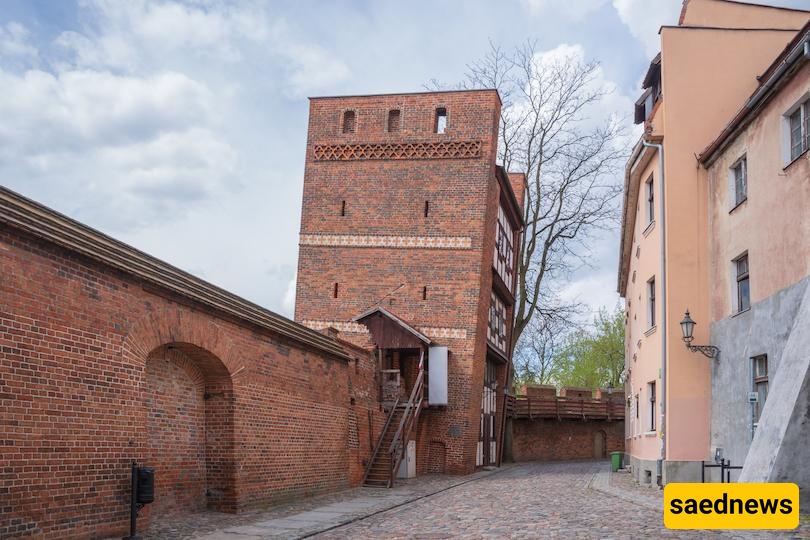
Leaning Tower of Toruń, Poland
The Leaning Tower of Toruń is one of Poland's most important tourist attractions. Built in the 13th century for defensive purposes, it later served various functions, including a prison, blacksmith's workshop, armory, shop, and café.
Constructed from red bricks, the tower began leaning because it was built on soft clay soil. Its upper section deviates 1.5 meters from the vertical, while its lower section remains upright.
Nevyansk Tower, Russia
The Nevyansk Tower was built in the 18th century on the orders of the prominent Russian industrialist Akinfiy Demidov. Its original purpose remains uncertain. Some believe it served as a secure treasury or observation tower, while others suggest it was a bell tower or even a prison.
The tower stands 57.5 meters tall and leans approximately three degrees toward the southwest.
Restoration experts attribute the tilt to soil erosion caused by groundwater that weakened the ground beneath the structure. Specially angled bricks were incorporated during construction to help prevent further deviation.

The Leaning Tower of Pisa, Italy
Construction of the Leaning Tower of Pisa, originally intended as the bell tower of Pisa Cathedral, began in the 12th century. The tower started leaning during construction, leading to lengthy interruptions. As a result, completing the structure took nearly two centuries.
The eight-story tower leans approximately four degrees toward the southeast. It measures 55.86 meters on its shorter side and 56.67 meters on its taller side.
Before restoration work began in 1990, the tilt had reached approximately 5.5 degrees. The cause was the unstable foundation soil, consisting of soft sand and alluvial clay.
Stabilization efforts continued for centuries. In 2008, after the removal of bells, the installation of specialized cables, and the extraction of soil from beneath the tower's higher side, restoration experts declared the structure stable.

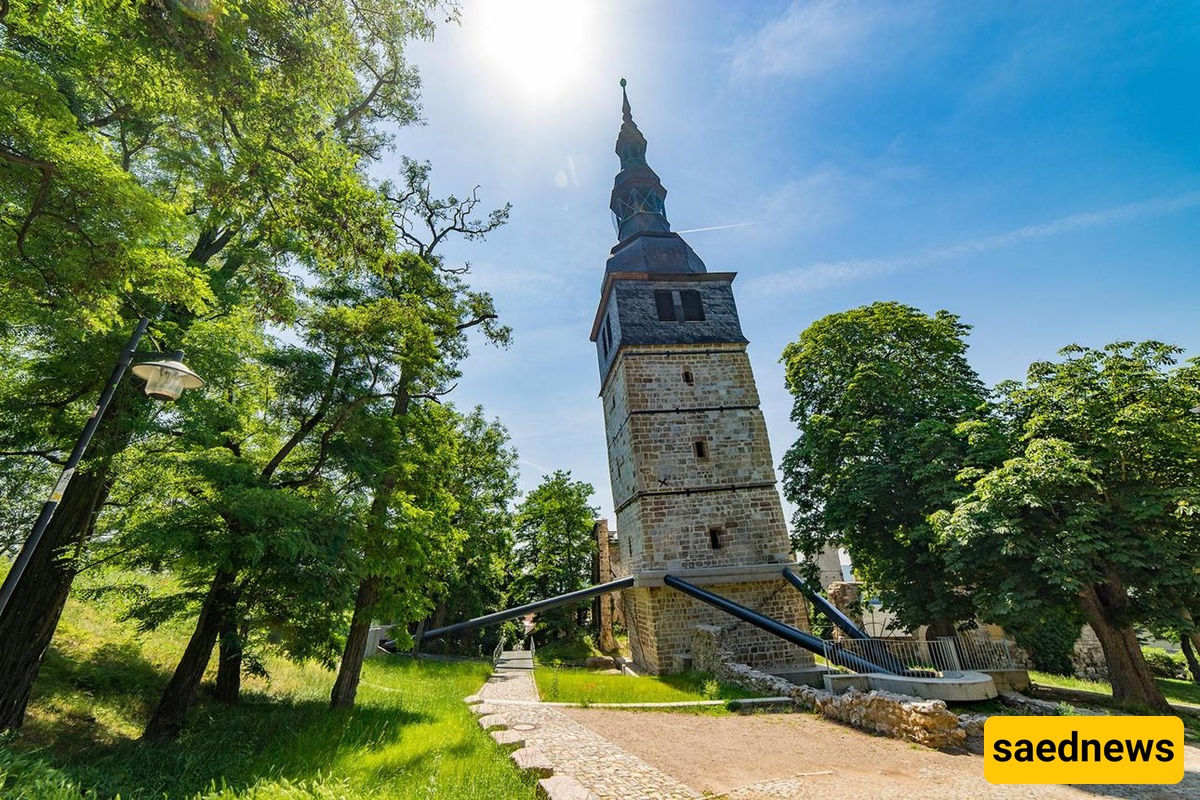
The Church Tower of Bad Frankenhausen, Germany
The old church in Bad Frankenhausen is famous for its leaning tower. The structure began tilting in the 17th century because the ground became uneven due to nearby salt deposits and mining activity.
Uneven settlement over the centuries has caused the tower to lean by 4.8 degrees. It is considered the second-most tilted church tower in the world, after the tower of Suurhusen.
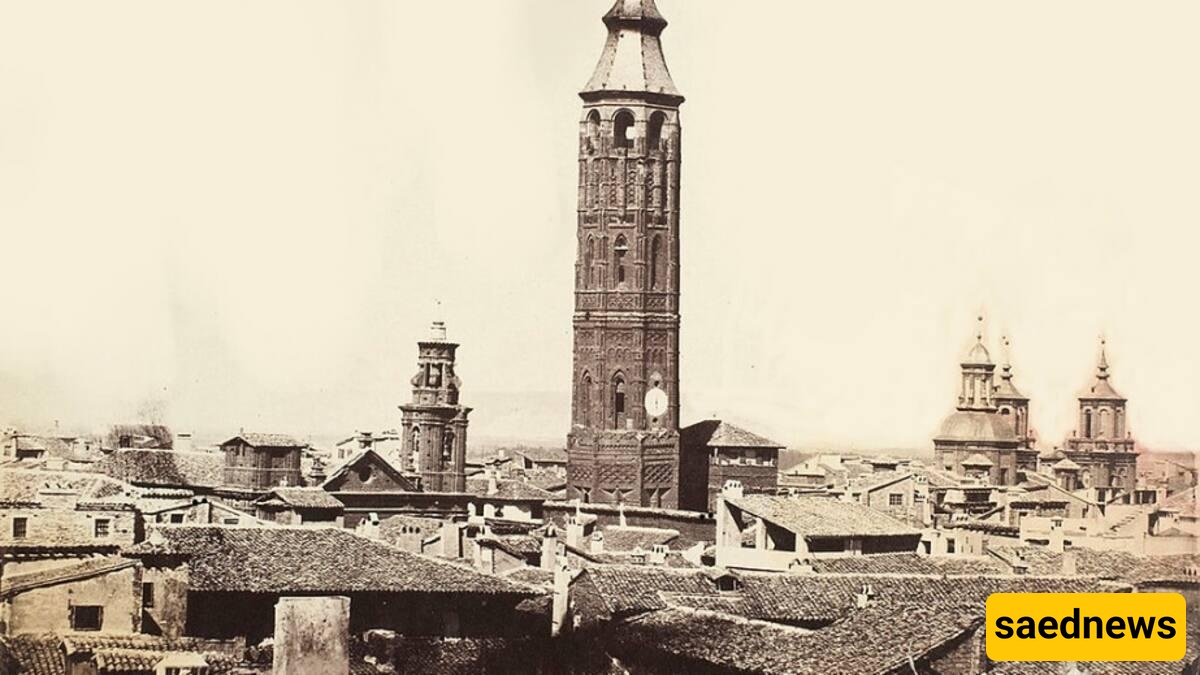
Torre Nueva, Zaragoza, Spain
Torre Nueva was one of the first major structures built in Spain during the 16th century. Constructed from brick, it housed the city's public clock and bells.
The tower began leaning soon after construction, reportedly because its foundation had been built too quickly. Despite numerous attempts to reinforce it, the structure eventually tilted approximately three meters away from the vertical.
Many residents of Zaragoza feared that the tower would collapse. As a result, it was completely demolished in 1893.
Today, a marker on the pavement identifies its former location, while a statue of a boy looking toward the tower commemorates the unusual landmark that was lost because of its tilt.
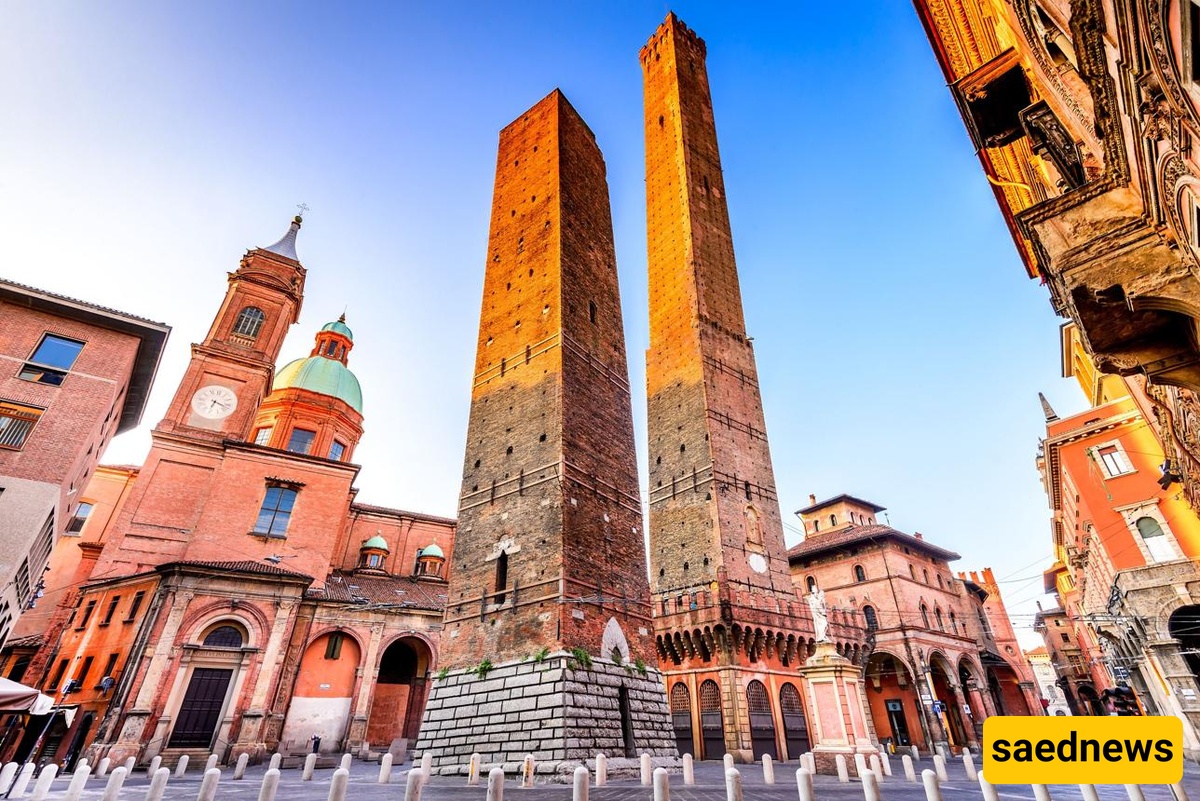
The Two Towers of Bologna, Italy
These two towers are among the most recognizable landmarks in Bologna. They were built between 1109 and 1119.
The taller tower, Asinelli, stands 97 meters high, while the shorter one, Garisenda, originally measured approximately 48 meters.
Because of the soft soil beneath Garisenda, both towers began leaning during the medieval period. The Asinelli Tower has a tilt of approximately 1.3 degrees, while the Garisenda Tower has tilted by around four degrees.
Their unusual appearance has made them enduring symbols of the city and remarkable examples of medieval architecture.
The Old Church Tower of Delft, Netherlands
This tower belongs to the oldest church in Delft and stands approximately 75 meters tall. It deviates about two meters from the vertical.

Construction of the Oude Kerk began in 1246, while its tower was built between 1325 and 1350. The foundation was not strong enough to support the structure properly, causing it to begin leaning during construction.
Architects attempted to compensate for the tilt as they added each successive level, but the tower's inclination remains visible today. Only its four uppermost turrets are truly vertical.
A nine-ton bell is installed in the tower, but it is rarely rung because the vibrations could potentially damage the structure. It is used only on exceptional occasions.