SAEDNEWS: A recent study indicates that the brain’s capacity to break habits and change repetitive behaviors may be linked to the neurotransmitter acetylcholine.
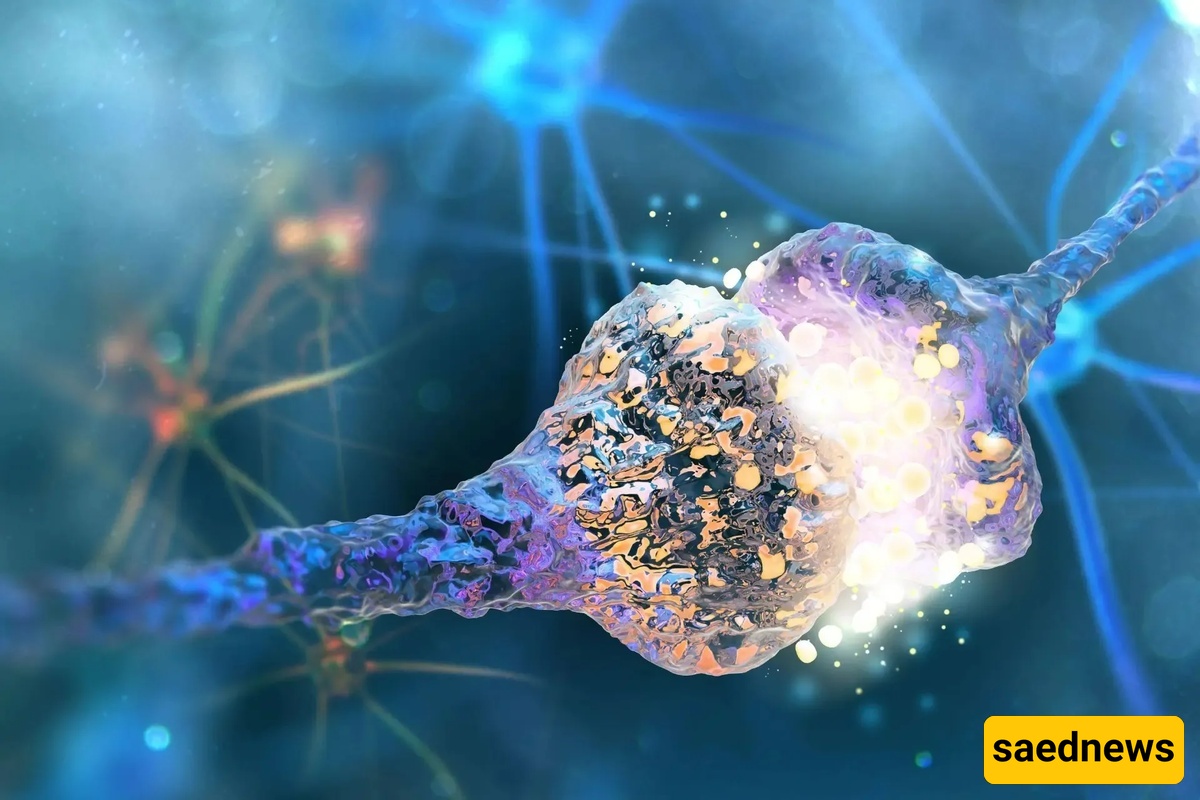
According to a report from the Saed News medical desk, the human brain is constantly fluctuating between two forces: maintaining familiar habits and shifting direction in response to new experiences. But what determines whether we persist or try a new approach when facing failure or disappointment? Scientists suggest that the answer may lie at a much smaller scale than we imagine—within a specific chemical in the brain.
A recent study indicates that the brain’s ability to break habits and change repetitive behaviors may depend heavily on a key neurotransmitter called acetylcholine. These findings are consistent with previous neuroscience research highlighting the role of this chemical in learning, attention, and cognitive flexibility.
Acetylcholine is one of the most important neurotransmitters in the mammalian brain, involved in processes such as learning, memory, decision-making, and attention regulation. Extensive evidence also shows that disruptions in the cholinergic system are observed in conditions such as Parkinson’s disease, Alzheimer’s disease, schizophrenia, and obsessive-compulsive disorder.
Research suggests that increased acetylcholine release during moments of failure pushes the brain toward reevaluating choices and adjusting behavior.
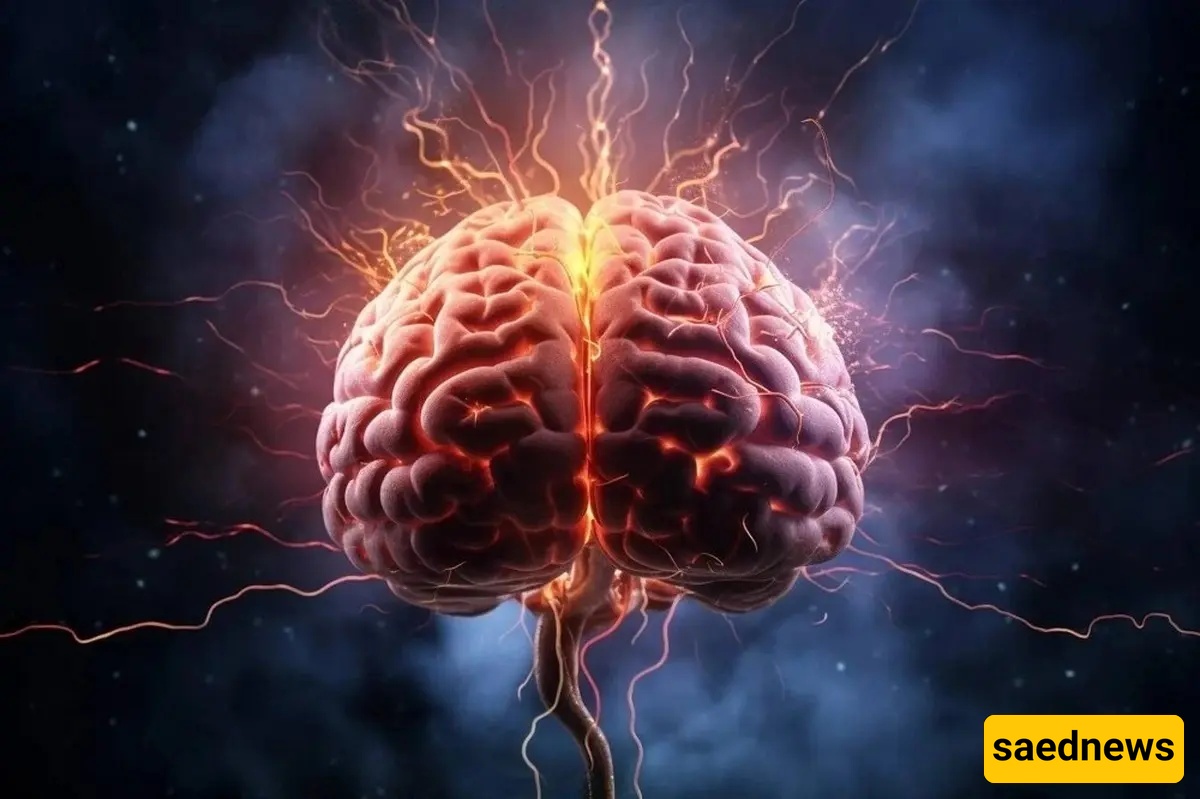
In a new study, researchers at the Okinawa Institute of Science and Technology (OIST) examined the behavior of mice in conditions where their learned reward-seeking patterns were suddenly changed. The mice had first learned to navigate a virtual path, but when the route was altered, their previous strategy no longer led to rewards. In neuroscience, this situation is known as a “reward prediction error.”
To monitor brain activity, researchers used two-photon imaging and specialized genetic sensors to observe acetylcholine release in real time. The results showed that when the animals failed to obtain a reward, acetylcholine levels significantly increased in certain brain regions. This increase was associated with behavioral change: the mice moved away from their previous strategy and became more likely to alter their choices after failure.
The greater the rise in acetylcholine, the higher the likelihood of changing decisions in subsequent attempts. To directly test this role, the researchers suppressed acetylcholine production in a group of mice. These animals showed much more persistent and less flexible behavior and were less likely to change strategies even after clear failures.

The findings align with previous studies suggesting that the cholinergic system plays a key role in cognitive flexibility. Acetylcholine appears to act as a warning signal in the brain when an established behavior stops working, prompting reevaluation. In contrast, other neurotransmitter systems such as dopamine are more closely associated with reward learning and reinforcing successful behaviors, and the interaction between these systems ultimately shapes behavior.
However, researchers emphasize that behavioral flexibility is not driven by a single chemical. It results from complex interactions among multiple brain regions and neural pathways. Some acetylcholine-related neurons showed strong responses, others remained mostly unchanged, and some even decreased activity—an arrangement that may help the brain preserve past behavioral information while adapting to new conditions.
These findings may offer new insights into conditions such as addiction and obsessive-compulsive disorder, where the ability to abandon ineffective habits is impaired. A deeper understanding of acetylcholine’s role could eventually contribute to the development of targeted therapies aimed at improving cognitive flexibility and treating disorders linked to repetitive behaviors.
If the brain truly uses a chemical system to decide when to persist or change direction, which part of your brain do you think was most active the last time you had to make a difficult decision?