SAEDNEWS: Does Hysterectomy Change Sexual Function and Pleasure After Vaginal Intercourse?
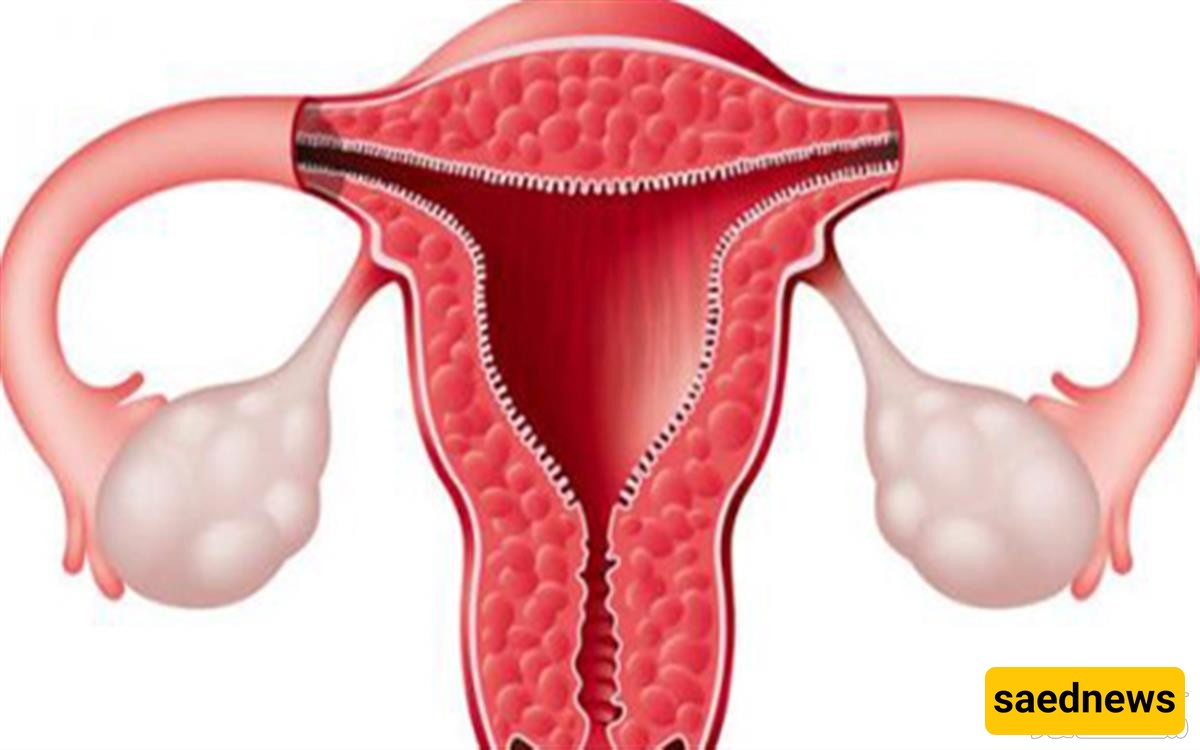
According to Saednews health and medical sources: Hysterectomy is a surgical procedure in which the uterus is removed. It is commonly used as a treatment option for women suffering from fibroids, endometriosis, pelvic inflammatory disease, or severe menstrual bleeding. This is a major surgery performed under general anesthesia. In some cases, in addition to the uterus, the fallopian tubes and/or ovaries may also be removed.
One of the main concerns among women undergoing hysterectomy is whether it will reduce sexual desire or negatively affect marital relationships. However, in most cases—more than 80% of hysterectomy surgeries—removing the uterus does not reduce sexual desire or sexual satisfaction. In fact, in some cases, sexual life may even improve.
Generally, hysterectomy does not affect the external or internal structures of the vagina that are responsible for sexual pleasure. Therefore, most women do not experience a decline in sexual function after the procedure.
However, if the ovaries are also removed during surgery, the body’s estrogen production decreases, which may lead to vaginal dryness and symptoms of early menopause. This can affect sexual comfort, but such issues are often manageable with hormone therapy and lubricants.
Most women can resume sexual activity approximately six weeks after surgery, although this timing should always be confirmed with a doctor.
Hysterectomy can be performed in different forms:
Partial hysterectomy: removal of the uterus while the cervix remains.
Total hysterectomy: removal of the entire uterus, including the cervix.
Radical hysterectomy: removal of the uterus, upper part of the vagina, fallopian tubes, and nearby lymph nodes, usually in more serious conditions.
Removal of the ovaries (oophorectomy) may also be performed in some cases, which can lead to early menopause if done before natural menopause.
There are two main surgical approaches:
Abdominal hysterectomy: performed through an incision in the abdomen (most common method).
Vaginal hysterectomy: performed through the vagina, leaving no external scar.
Although generally safe, hysterectomy may have potential risks such as:
Heavy bleeding during surgery
Hormonal imbalance and mood changes
Osteoporosis
Weight gain
Urinary tract or surgical site infections
Injury to the bladder or ureter
Blood clots (rare but serious)
Chronic pelvic pain
After surgery, pain relief medication is typically prescribed. Most patients stay in the hospital for 3 to 5 days. Full recovery usually takes about 4 to 6 weeks.
If the cervix is removed and no cancer is present, Pap smear tests are no longer required. However, if the cervix remains, regular screening is still necessary.
After surgery, removed tissue is usually sent for pathological examination to rule out any hidden disease.
Use compression stockings to prevent blood clots
Take prescribed antibiotics if needed
Temporary urinary catheter may be used during recovery
Monitor for internal bleeding
Showering is usually allowed from the second day after surgery once dressings are removed
Keep the surgical area clean and dry
If ovaries are removed, symptoms of menopause such as hot flashes may occur; calcium intake and light exercise like walking are recommended
Avoid gas-producing foods for a few days after surgery
If you want, I can also rewrite this as a shorter summary or a patient-friendly brochure version.