SAEDNEWS:
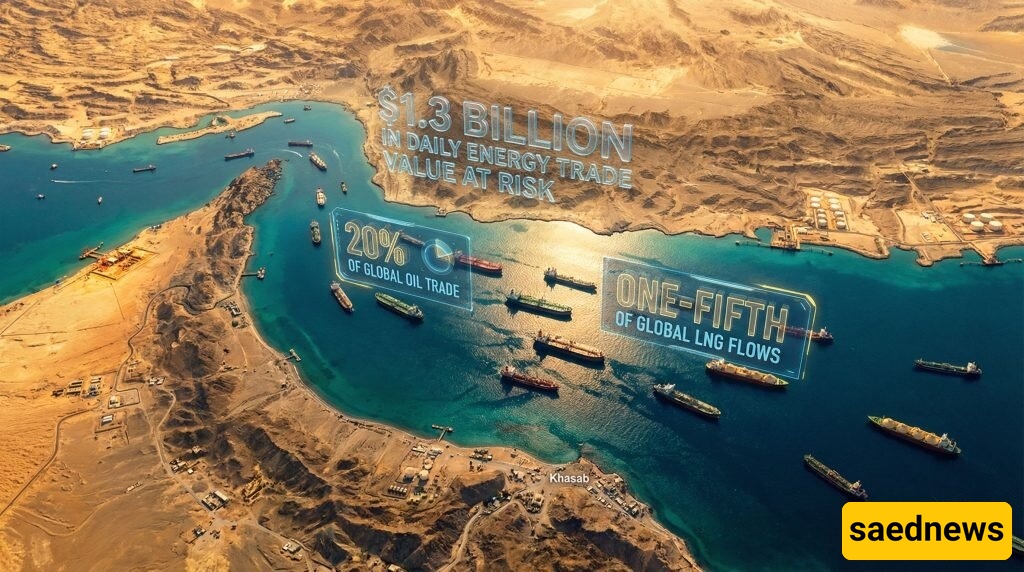
According to the Science and Technology Desk of Saed News, the Strait of Hormuz, just 33 kilometers wide at its narrowest point, serves as a vital passage for 20% of the world’s crude oil and 20% of liquefied natural gas (LNG). Rumors that the strait might have been mined have sent shockwaves through the global economy, driving oil prices higher.
Many experts describe naval mines as the “nuclear weapons of the poor”—tools that are inexpensive to produce and deploy but extremely costly, time-consuming, and dangerous to detect and neutralize. Reports suggest tanker traffic in the region has slowed significantly, pushing Brent crude prices from around $71 to over $100 per barrel. While these reports remain unconfirmed by Iranian authorities, they raise questions about what naval mines are, how they work, and how they can be neutralized.
Naval mines are categorized by their triggering mechanism and deployment depth, each designed to target specific parts of an enemy fleet. So, what kinds of mines exist, and how do they operate?
Contact mines are among the simplest—and deadliest—types of mines in shallow waters. A common model consists of two iron hemispheres, with four mechanical prongs on the upper hemisphere.
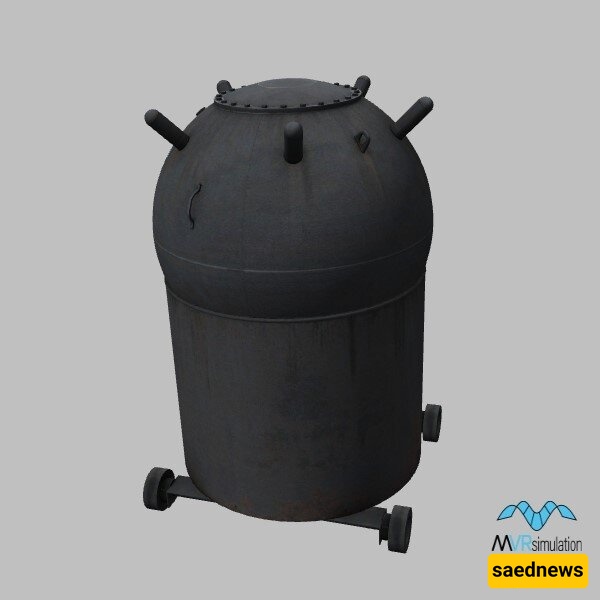
The mine detonates when a ship directly strikes one of these prongs, triggering a mechanical fuse that sets off 120 kilograms of explosives in the lower hemisphere. These mines can be deployed in shallow waters or even in depths up to 100 meters, floating just below the surface and anchored to the seabed. Their simple design makes them easy to produce and deploy in large quantities.