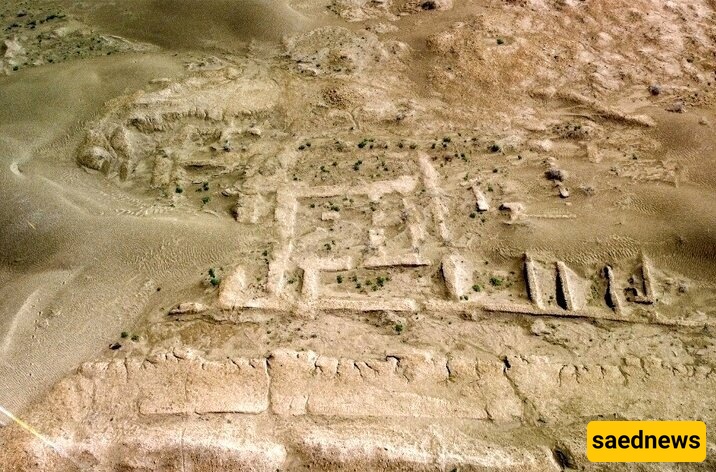
SAEDNEWS: Iraq’s ancient archaeological wonders, which have survived thousands of years of various events and the destruction of wars, are now facing a modern threat: being slowly buried by sandstorms, which are largely the result of climate change.
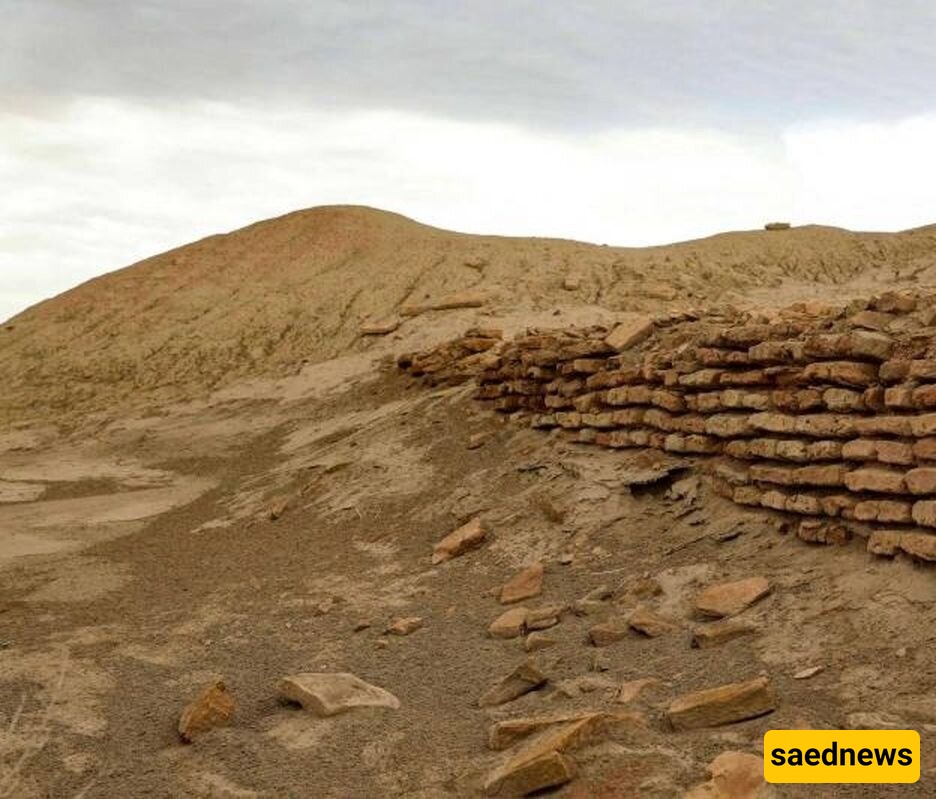
According to SaedNews Agency, citing Faradeed, ancient treasures of Babylon—once painstakingly excavated from beneath the soil—are now slowly vanishing again under windblown sands in a land increasingly affected by rising heat and prolonged droughts.
Iraq, one of the countries most severely impacted by climate change, endured several major sandstorms last year that turned the sky orange, disrupted daily life, and made breathing difficult for the population.
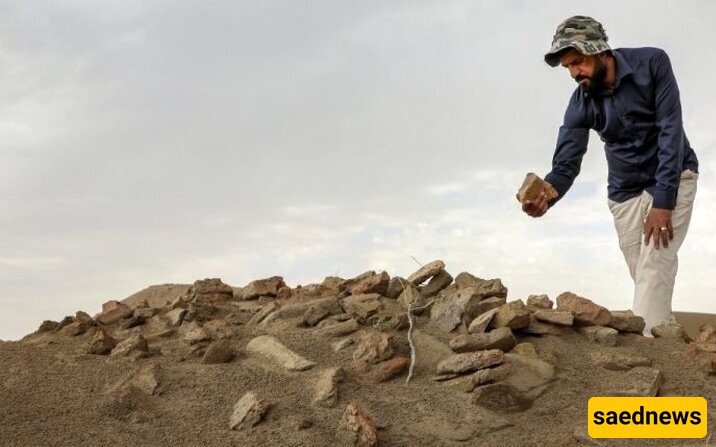
After each storm subsides, fine layers of sand cover everything, including the remains of Sumerian ruins in an area known as “Umm al-Aqarib” or “Mother of Scorpions,” located in the desert region of southern Dhi Qar Province.
Iraqi archaeologist Aqil al-Mansurawi says that sandstorms have begun to gradually reverse years of archaeological work that uncovered pottery facades of temples and numerous other ancient artifacts.
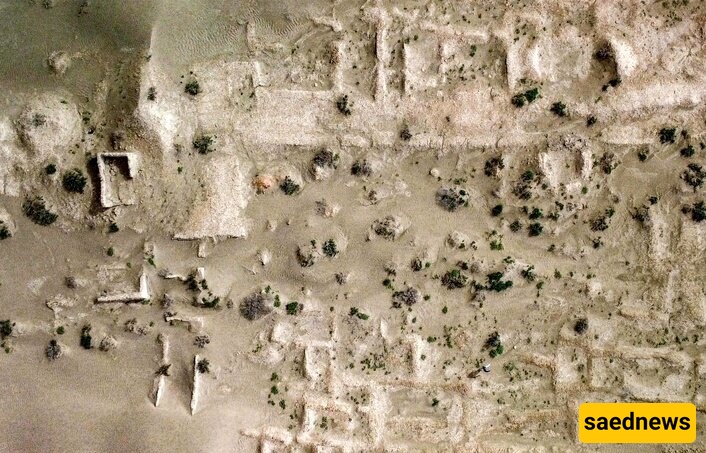
Archaeologists in Iraq have always had to dig through sand, but the volume is now increasing significantly.
After a decade of intensified storms, sand in Umm al-Aqarib now covers a large portion of the site, which dates back to around 2350 BCE and spans more than five square kilometers.
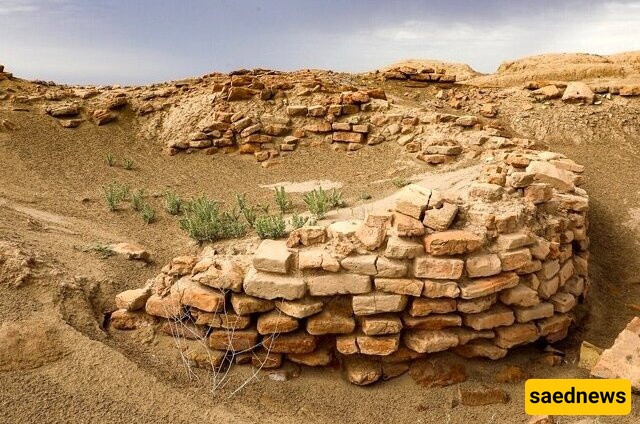
In the past, the greatest threat to archaeological sites was looting by treasure hunters. Today, however, climate change and its impact on the land—especially ongoing desertification—pose an additional threat to ancient sites across southern Iraq. According to archaeologists, it is estimated that within the next 10 years, 80 to 90 percent of Iraq’s archaeological sites may be buried under sand.
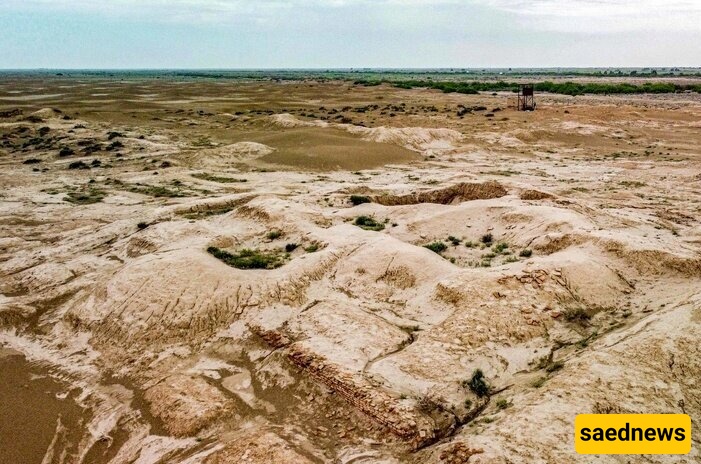
The legendary land between the Tigris and Euphrates rivers was home to some of the world’s oldest civilizations, and their remains in modern Iraq are now under threat.
According to the United Nations, Iraq is among the five countries most affected by the worsening impacts of climate change, including severe drought.
Upstream dams in Turkey and Iraq have reduced the flow of major rivers, while outdated irrigation systems and traditional farming practices also waste significant amounts of water.
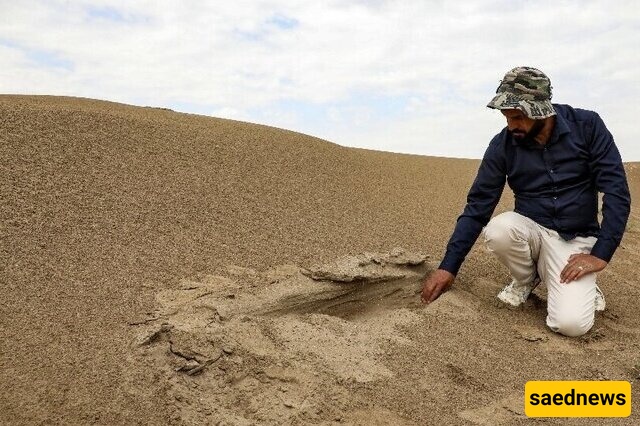
As a result, sandstorms have increased, the air has become more dust-laden, and temperatures have risen. Summer temperatures exceeding 50°C now frequently affect large parts of Iraq. With reduced vegetation and root systems, the soil has become more fragile and fragmented.
Another factor worsening the situation for archaeological sites is soil salinization and its impact on erosion. In very dry conditions, water evaporates quickly, leaving salt behind on the ground—a process that gradually wears down surfaces. Experts say that salt carried by sandstorms also contributes to the chemical weathering of ancient structures.