Saed News: These strange artifacts may not often appear in travel guides, but they are usually the things visitors remember most after their trips—because they are both surprising and a reminder of how creative and sometimes bizarre humans have been throughout history.
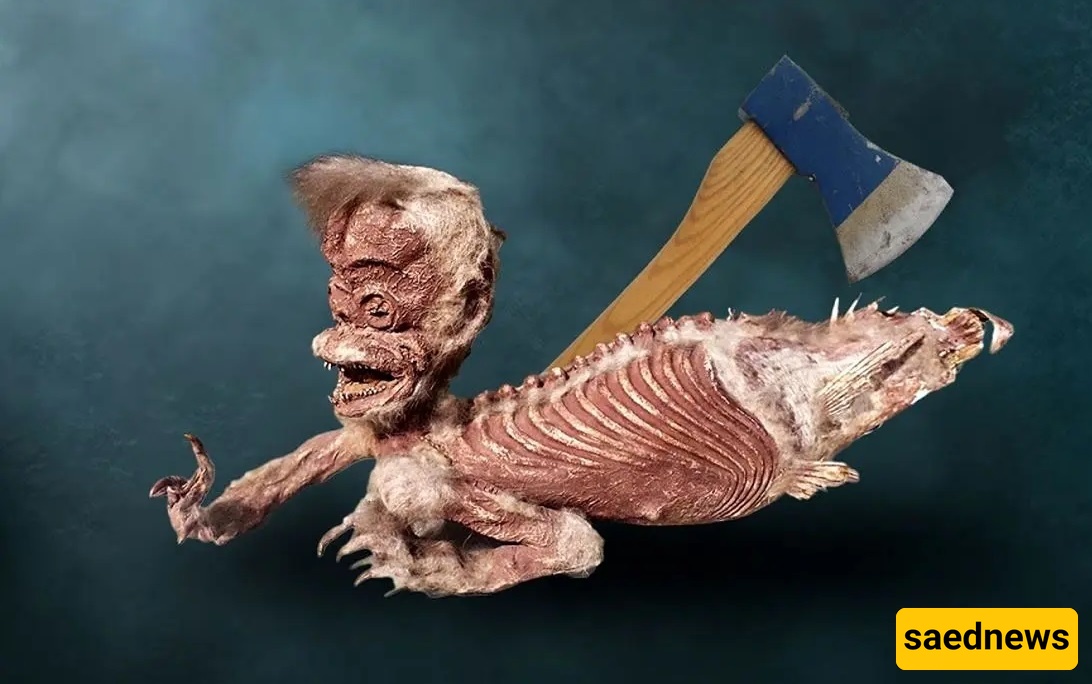
According to SAEDNEWS, European museums are full of famous paintings and magnificent sculptures, but among these well-known works, there are also strange and unexpected objects hidden that can sometimes be even more memorable than masterpieces.
According to Faradid, these unusual artifacts may not often appear in travel guides, but they are usually the things visitors talk about after their trip—because they are surprising and show how creative and sometimes strange humans have been throughout history. Below are six of the strangest artifacts found in European museums.
The Axe of Broken Relationships — Museum of Broken Relationships, Zagreb
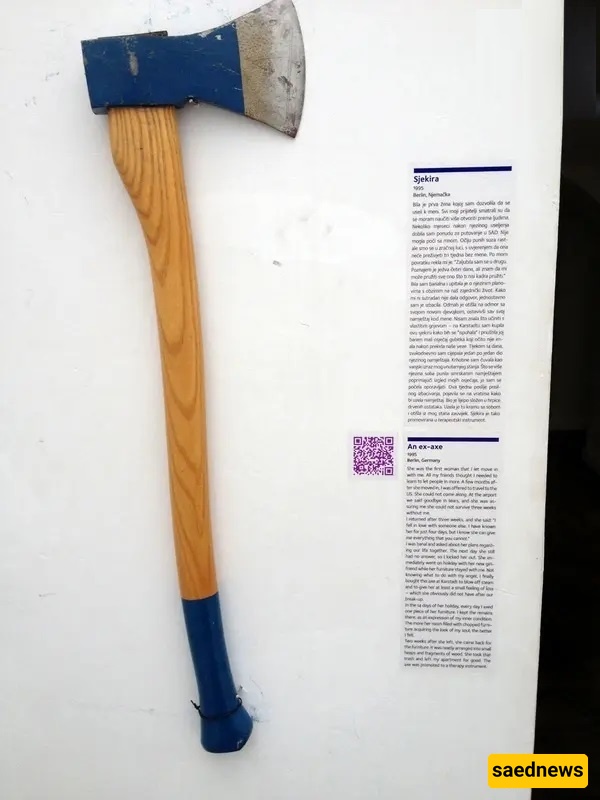
This simple axe may look ordinary at first, but it carries a strange story. After a sudden breakup, its owner used it to destroy all his former partner’s belongings and later donated it to the Museum of Broken Relationships in Zagreb.
This museum was founded by two Croatian artists after their own breakup. Instead of fighting over shared belongings, they created a different idea: what if emotional memories and objects from failed relationships had a place to be preserved?
Today, the museum contains wedding dresses, love letters, abandoned toys, and emotionally charged objects, but the famous axe remains one of its most symbolic pieces.
Fake Mermaids — University of Edinburgh Anatomical Collection
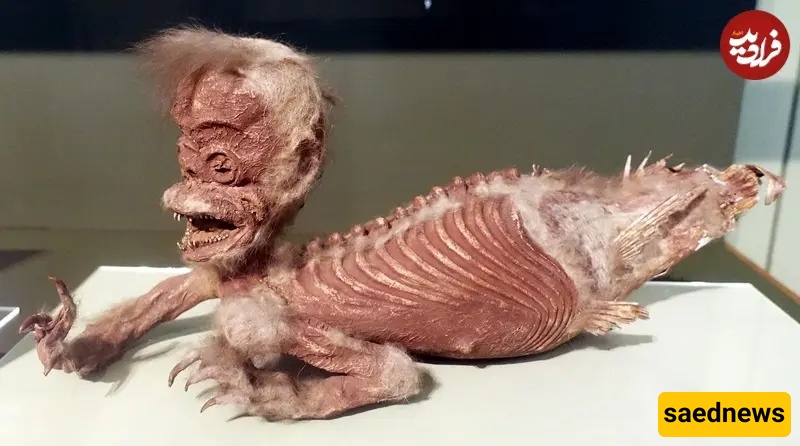
In the 19th century, many people were ready to believe in anything strange or mysterious, including mermaids. At the University of Edinburgh’s anatomical collection, a fake “mermaid” is preserved, made from two different parts: a fish tail and the upper body of a small primate stitched together.
Such fabricated creatures were popular during the Victorian era and were displayed as scientific curiosities. Today, they reflect a time when the boundaries between science, entertainment, and imagination were not clearly defined.
19th-Century Sewer Boat — Paris Sewer Museum

The Paris Sewer Museum is one of the city’s most unusual attractions. It showcases the vast underground sewage system of Paris, which has been essential for public health for centuries.
One of the most interesting exhibits is a small boat used by sewer workers, known as “égoutiers,” who navigated the underground tunnels to clean and maintain the system.
Victor Hugo even referenced Paris sewers in Les Misérables, highlighting their historical importance.
Alchemists’ Furnace — Museum of Alchemists and Magicians, Prague
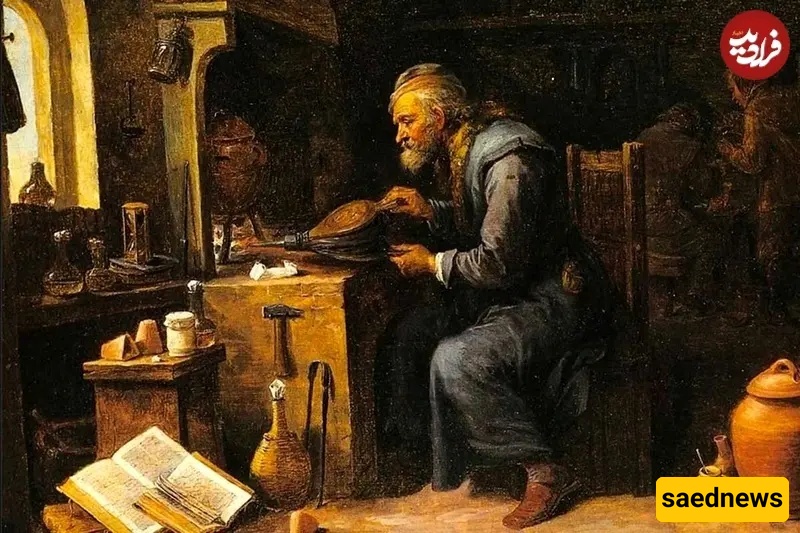
Prague has long been associated with magic and alchemy, and this museum reflects that mystical heritage.
It is located in a house believed to be linked to Edward Kelley, an English alchemist. The highlight is a reconstructed alchemist’s workshop filled with furnaces, glassware, powders, and handwritten formulas.
Alchemists once believed they could turn metals into gold or create the elixir of immortality. While they never succeeded, this museum shows how seriously such ideas were once taken.
Dung-Based Tiles — Museum of Excrement, Italy

The “Museum of Excrement” in Castelboscо, Italy, is one of Europe’s most unexpected museums. Founded in 2015 on a dairy farm, it explores sustainable uses of animal waste.
Visitors can see building materials, ceramics, and tiles made from cow dung mixed with clay. Surprisingly, these tiles are both functional and aesthetically pleasing, and are even used within parts of the museum itself.
The project highlights recycling, sustainability, and creative reuse of materials usually considered worthless.
Eiffel Tower Inside a Cherry Stone — Miniature Museum, Prague
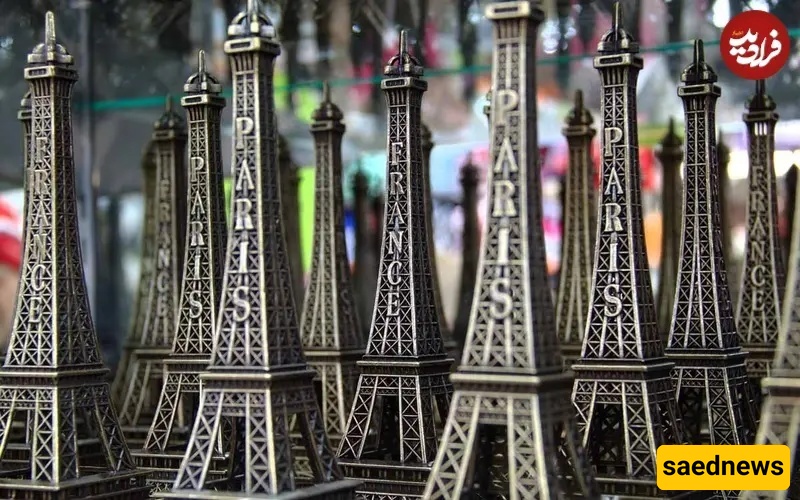
The Prague Miniature Museum displays extremely small artworks, many visible only under a microscope.
Its most famous piece is a miniature Eiffel Tower carved inside a cherry stone. Created in the late 20th century, it fits entirely inside the seed and can only be appreciated under magnification.
Such microscopic art requires extreme precision and patience, resulting in a world-famous monument that can fit on the tip of a finger.