SAEDNEWS: Underwater Archaeologist Reports Accidental Discovery of Unknown Artifact Off the Coast of the Persian Gulf
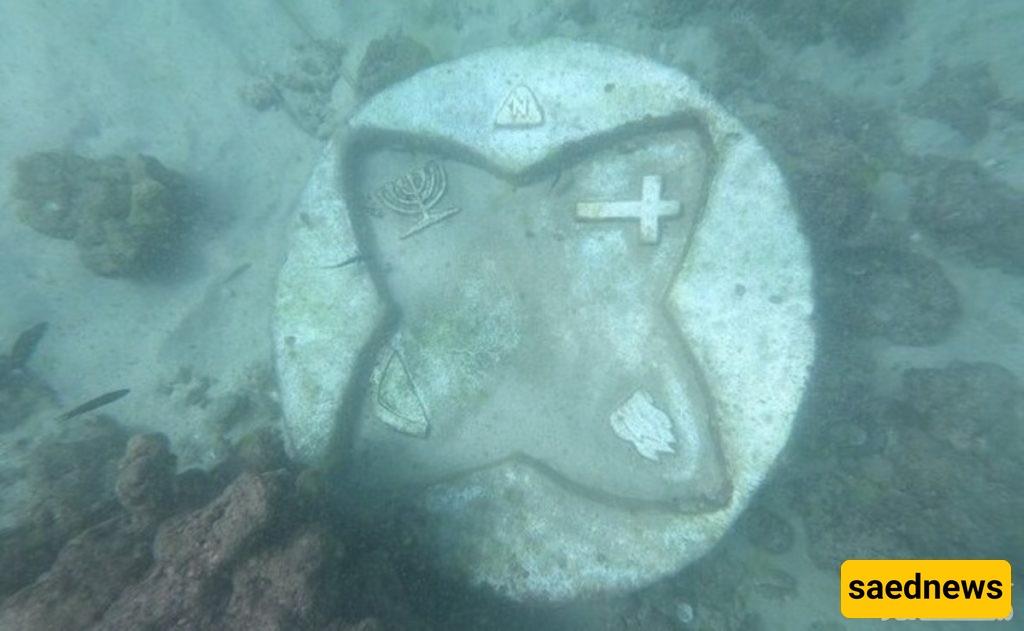
According to a report by Saed News, citing ISNA, Saman Lashgari—an archaeology master’s graduate and certified dive master—said that an unidentified object was accidentally discovered during diving along the shores of the Persian Gulf near Qeshm Island. At first, the divers assumed the object was made of stone.
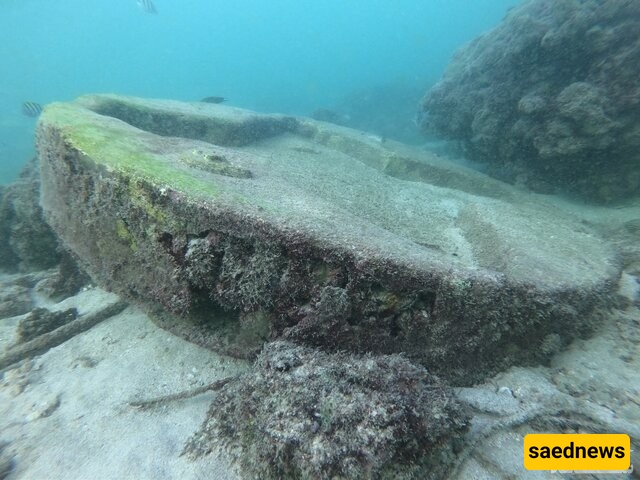
Lashgari, who made the discovery alongside Behzad Dana, an international diving instructor, explained that further technical examination under Dana’s supervision revealed the object to be made of a material similar to fiberglass with a white coating. Its shape is described as a cylindrical disk.
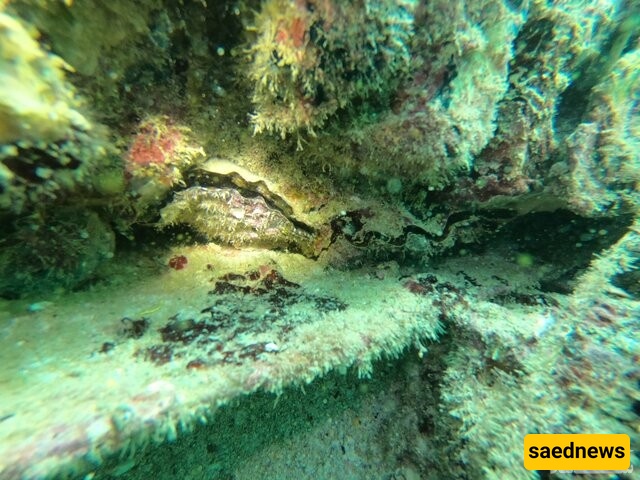
One of the most notable aspects of the object is the presence of various embossed religious and symbolic motifs, including a cross, a Jewish menorah, a flame, and an arch resembling a vaulted structure. These symbols are arranged within a raised four-petaled flower design. The surface appears to be a single molded piece, while the back consists of layered sheets.
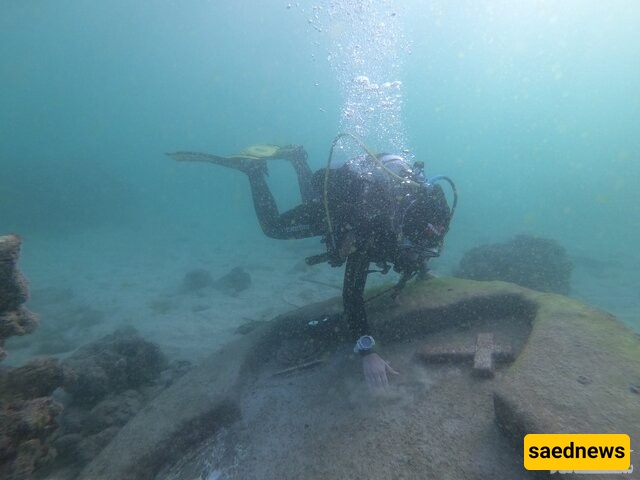
Preliminary findings have been reported to the Cultural Heritage Department of the Qeshm Free Zone Organization and the Archaeological Research Institute of the Ministry of Cultural Heritage, Tourism, and Handicrafts.
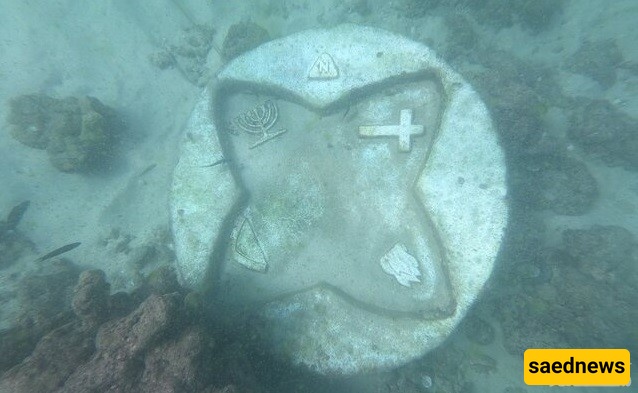
Researchers suggest the object may have been produced using molding techniques, with a secondary layer attached afterward. Another unusual feature is the presence of the letter “N,” indicating north, placed outside the floral design alongside the cross and menorah symbols.
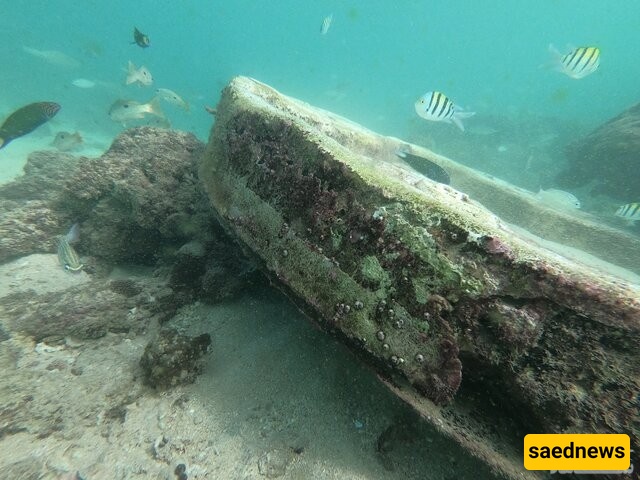
The main unanswered question remains the identity and purpose of the object, as well as why it is located on the seabed. Some initial speculation links the combination of religious symbols and directional markings to a possible historical context, potentially around the Safavid era when Portuguese and later British forces were active in the region. However, the presumed material composition suggests a more modern origin, making such historical attribution uncertain.
Further scientific analysis is required to determine the artifact’s age, origin, and function.
Experts emphasize that the Persian Gulf has been a major maritime route for thousands of years and holds significant historical and cultural importance. However, underwater archaeological research in the region remains limited, with most discoveries related to shipwrecks and commercial cargo rather than ritual or symbolic artifacts.