Saed News: Millions of years ago, Earth was a completely dangerous place. Everything from massive dinosaurs to giant centipedes roamed majestically. If humans of our size had existed at that time, they would likely have been like today’s ants compared to prehistoric creatures.
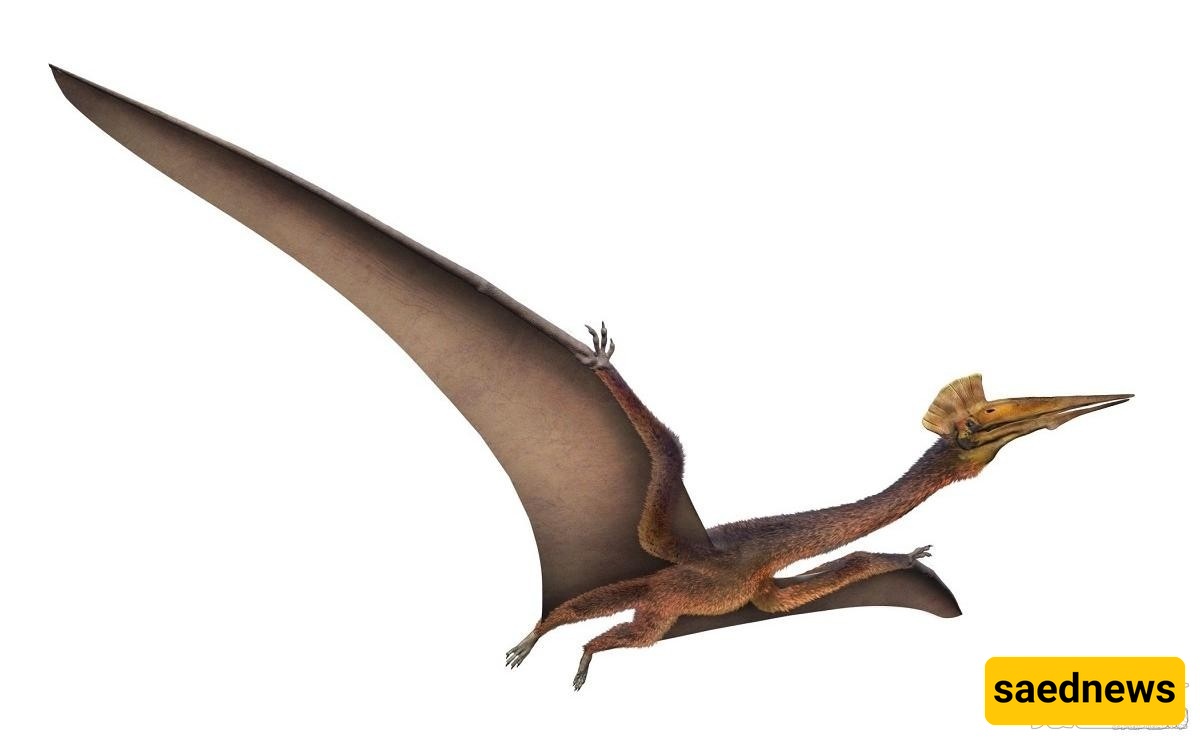
According to SAEDNEWS, quoting Bitoteh, millions of years ago Earth was a completely dangerous place. Everything from massive dinosaurs to giant centipedes roamed majestically. If humans of our size had existed at that time, they would likely have been like today’s ants compared to prehistoric creatures.
Therefore, it is not surprising that even the birds of those days were the kind that our nightmares are made of. Fortunately, none of those giant prehistoric birds exist today. Just to remind how large and dangerous they were, here is a list of prehistoric carnivorous birds that are fortunately now extinct.
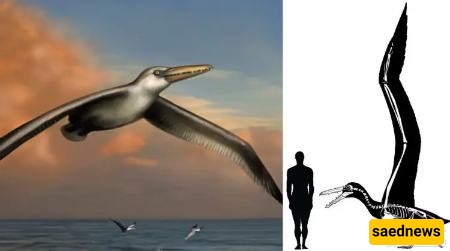
The largest prehistoric bird with a wingspan of 6 to 7 meters. This was the largest bird that ever lived on Earth. Its fossil was first discovered in 1983 near Charleston, South Carolina. It was named in honor of the retired curator of the Charleston Museum, Albert Sanders.
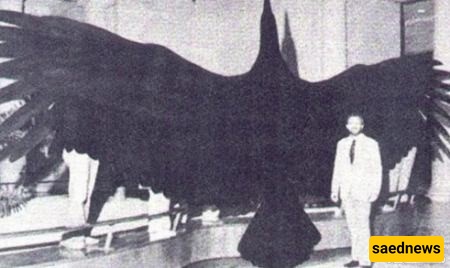
Before the discovery of Pelagornis sandersi, Argentavis magnificens was considered the largest flying bird that ever existed. Argentavis, also known as the “giant teratorn,” had an estimated wingspan of 5 to 6 meters. Fossils of this extinct species were mainly found in central and northwestern Argentina.
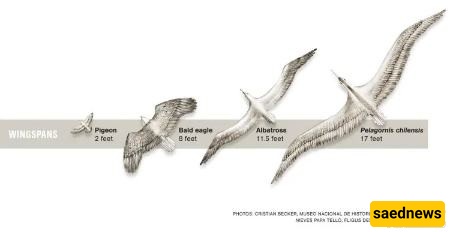
Pelagornis chilensis was part of a prehistoric group known as “bony-toothed birds,” which existed between five and ten million years ago. It once soared over the oceans and mountains of present-day Chile. This pseudo-toothed bird had a wingspan of between 4 and 5 meters.
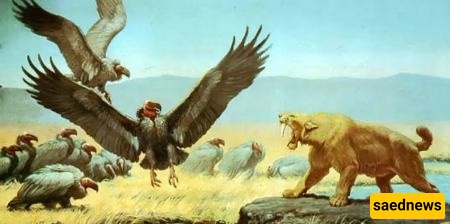
Teratornis was a large predatory bird in North America. This prehistoric bird had wings about 3 meters long. Teratornis hunted creatures the size of small rabbits and swallowed them whole.
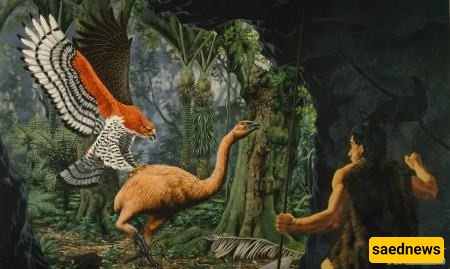
Haast’s eagle was one of the largest known true predators. In terms of length and weight, it was larger than the biggest living vultures. It was first discovered by Julius von Haast in 1871 from remains found by F. Fuller in what was once a swamp. This species was the largest eagle that ever existed. It lived in New Zealand’s South Island and went extinct around 1400 AD.