SAEDNEWS: Researchers have pinpointed the exact location of the oldest known grape seed fossil in India, dating back approximately 66 million years. The ancient grape fossil uncovered in a new study reveals how the extinction of the dinosaurs cleared the path for the spread of this fruit and its related species across the globe.
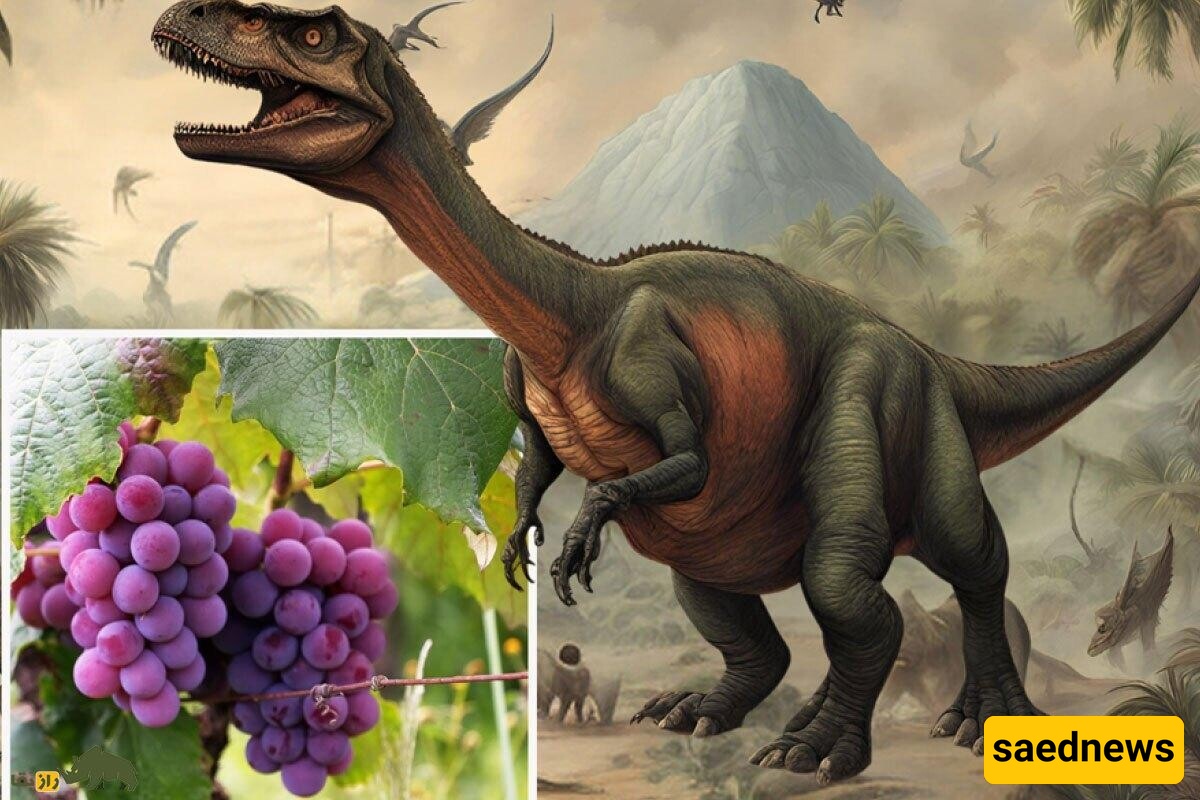
According to Saed News’ society service, citing Razbqa, a new study published in Nature Plants uncovered fossilized grape seeds dating from 60 to 19 million years ago in Colombia, Panama, and Peru.
Researchers at the Field Museum in Chicago say one of these seeds represents the earliest known example of a grape family species in the Western Hemisphere.
Fabiani Herrera, a museum official, commented: “This discovery is significant because it shows that the global spread of grapes truly began after the dinosaurs went extinct.”
The findings suggest that the extinction event that wiped out the dinosaurs not only impacted animals on Earth but also had widespread effects on plants.
Dr. Herrera explained: “We often think about animals, especially dinosaurs, because they were the largest species affected. But the extinction event also had a major impact on plants. Forests essentially reorganized themselves, which changed the composition of plant species.”
Studying extinct plants can be challenging, as soft tissues like fruits rarely fossilize. Seeds, however, can be preserved, offering clues about ancient species.
Researchers traced the oldest known grape seed fossils to India, about 66 million years ago, when a massive asteroid struck Earth, triggering a major extinction that reshaped life on the planet.
They suspect that the disappearance of dinosaurs likely contributed to changes in forest ecosystems. Scientists note that because many dinosaurs were massive, they probably broke trees and kept forests more open and less dense than today.
After these giant dinosaurs vanished, some tropical forests—like those in South America—became denser. This led to layered forests, with a dense understory and a canopy that created shaded environments below.
[Note: The understory refers to the layer of vegetation, including trees and shrubs, growing between the forest canopy and the forest floor.]
Dr. Herrera added: “In the fossil record from this period, we see more plants using vines to climb trees, similar to modern grapes.”
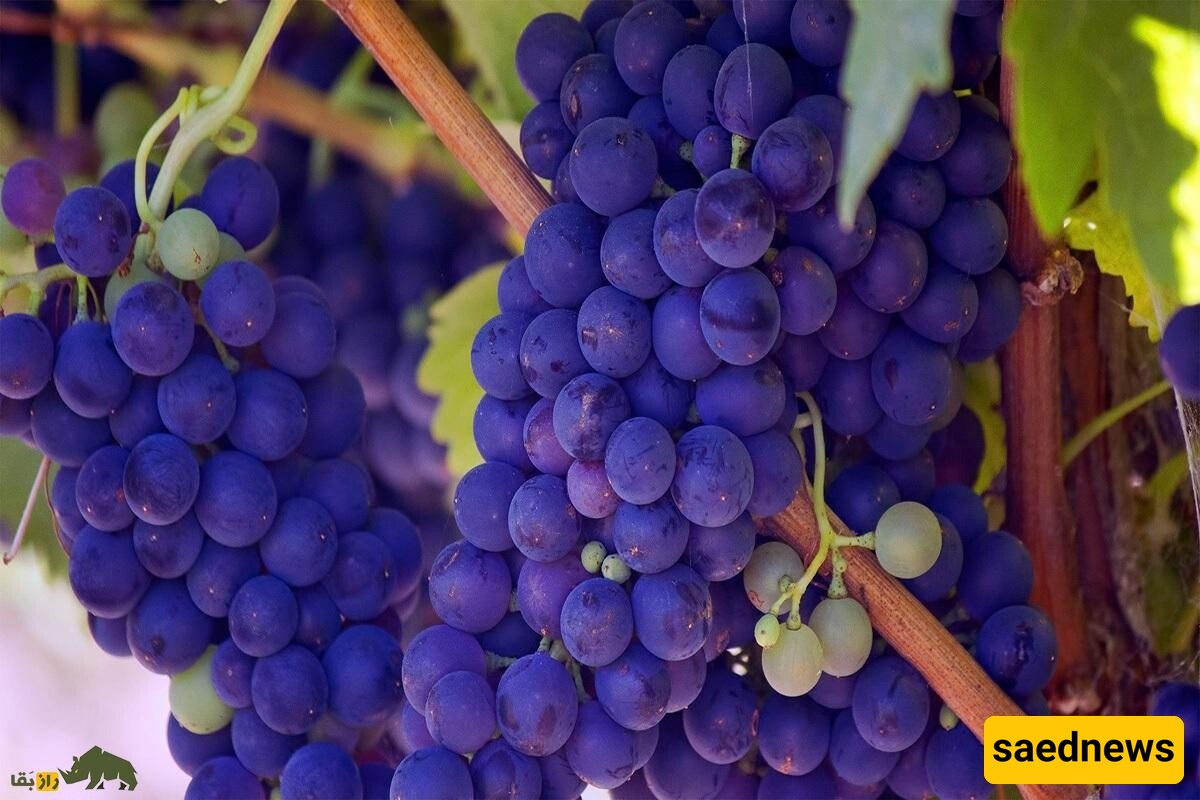
The dinosaur extinction also promoted the diversification of birds and mammals, which could have aided the dispersal of grape seeds.
This discovery was made possible through the unearthing of a fossilized grape during Dr. Herrera’s 2022 fieldwork in the Colombian Andes.
He noted: “This seed, preserved in a 60-million-year-old rock, is not only the first grape fossil found in South America but also among the oldest grape fossils in the world.”
Researchers were able to identify the fossil initially based on its shape, size, and other morphological features. X-ray CT scans then revealed its internal structure, confirming its identity.
Dr. Herrera concluded: “The fossil record tells us that grapes are remarkably resilient. They are a group that survived many extinction events in Central and South America, yet they have also adapted to other parts of the world and continue to thrive.”