SAEDNEWS: Mexican Archaeologists Detect Underground City Beneath Ancient Mitla Using Radar Technology
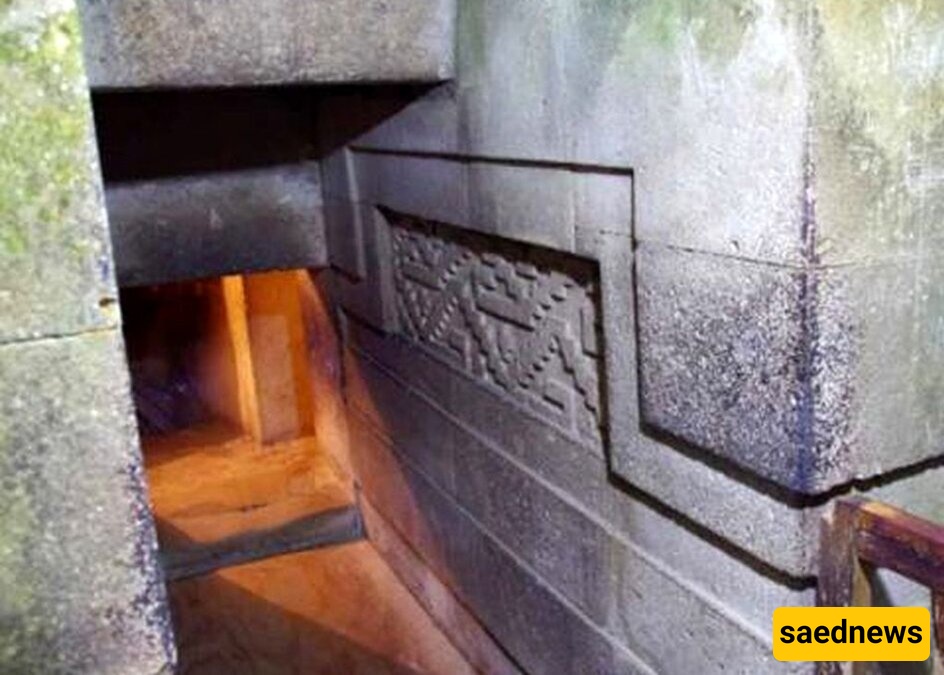
According to Saednews, Mitla is an archaeological site associated with the Zapotec culture, located in the Valley of Oaxaca in the present-day state of Oaxaca in southern Mexico.
The Zapotecs first settled in this area during the Classic period (100–650 AD), transforming it from a fortified village into a major religious center.
The Zapotecs believed that Mitla served as a gateway between the world of the living and the world of the dead, and it was used as a burial place for Zapotec elites. For this reason, its Nahuatl name, Mictlán, means “place of the dead” or “underworld.”
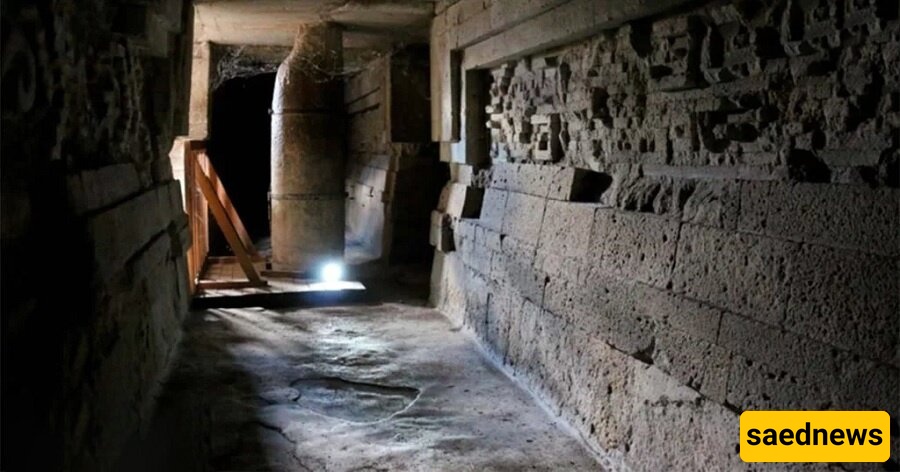
For a long time, it was believed that the ancient Zapotec people had constructed a vast and complex labyrinth of rooms and passageways beneath the stone structures found at the archaeological site of Mitla in southern Mexico. The purpose of this tunnel system was thought to be to eventually lead to Lyobaa, the entrance to the underworld or the land of the dead.
As part of a new study led by the Lyobaa Project, supported by Mexico’s National Institute of Anthropology and History (INAH), researchers began an exploratory project at Mitla in 2022.
The Land of the Dead
Their research revealed intriguing details about various underground structures and provided important insights into the spiritual center built by the Zapotec people, who lived in southern Mexico during the pre-Columbian era.
Researchers are using geophysical exploration techniques beneath Mitla to confirm the existence of previously undiscovered underground chambers and passageways.
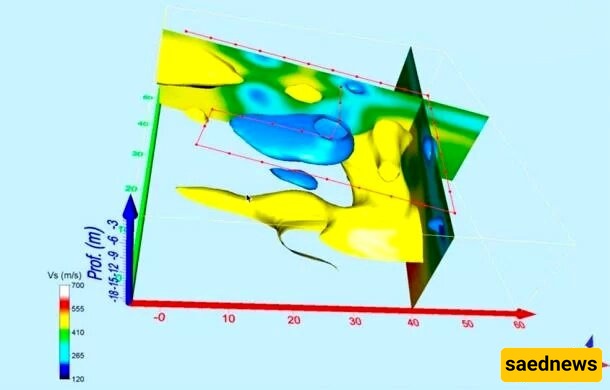
The technologies used include ground-penetrating radar (GPR), electrical resistivity tomography (ERT), and seismic noise tomography. Each of these methods uses electromagnetic or seismic signals to penetrate the ground and generate images of what lies beneath the surface.
Researchers created combined 3D models of the underground world found just beneath Mitla’s surface by integrating the results of their intensive scanning methods.
Most importantly, the geophysical survey findings clearly confirm the presence of multiple underground chambers and tunnels. The paths of these structures wind beneath a group of buildings known as the Church Group (Mitla has five architectural complexes on the surface, one of which includes features of a late 16th-century Catholic church).
Researchers will continue analyzing the results of their initial exploration in search of details that may have been overlooked in the first phase of analysis.