SAEDNEWS: The 3,500-year-old tomb of this warrior, discovered in 2015, contained not only his remains but also weapons, gold, and jewelry. This remarkable treasure has provided researchers with new insights into trade and culture in the ancient Mediterranean world.
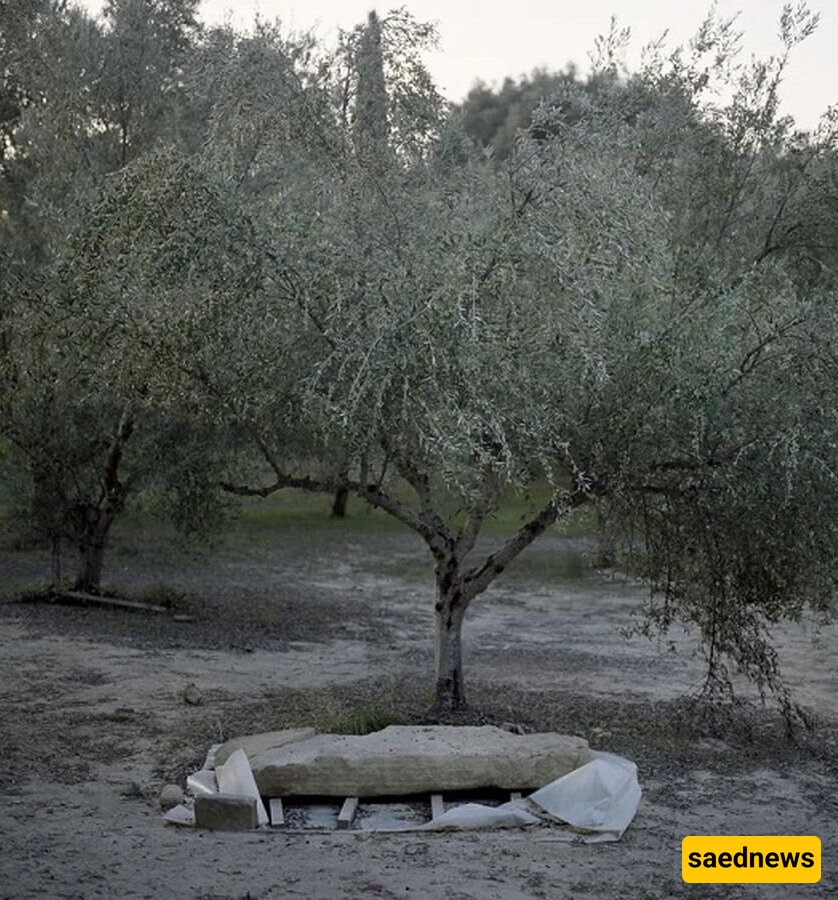
According to Saednews, A quiet olive grove in southern Greece became the site of an extraordinary archaeological discovery in May 2015, when researchers uncovered the tomb of a man later dubbed the “Griffin Warrior.” The richly furnished burial has provided significant new insight into the origins of Mycenaean culture, the civilization whose legendary heroes appear in Homer’s Iliad and Odyssey.
The tomb is located near Pylos on the Peloponnese peninsula. Although this region had been extensively excavated throughout the 20th century, many believed that little of major significance remained. The discovery of an intact, undisturbed burial therefore came as a major surprise to specialists.
In the spring of 2015, the University of Cincinnati resumed excavations at Pylos under the direction of archaeologists Sharon Stocker and Jack Davis. Their attention focused on an olive grove just northeast of the Palace of Nestor site. Almost immediately, they uncovered a stone structure just beneath the surface. As excavation continued, a rectangular chamber nearly 2.5 meters in length emerged, revealing itself as a tomb constructed in the Mycenaean tradition.
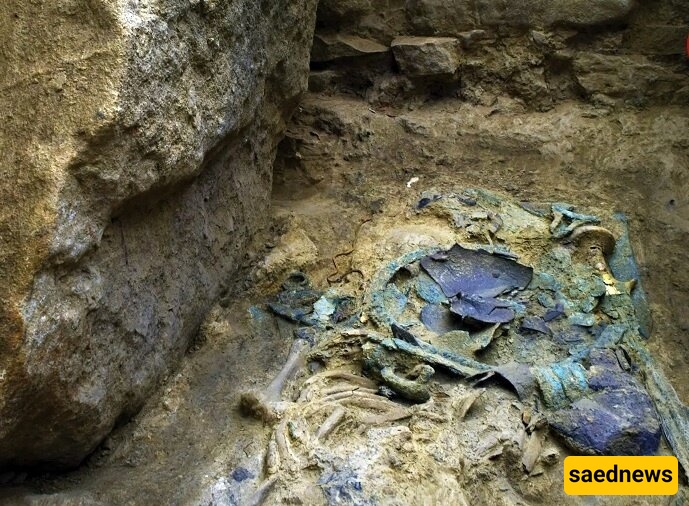
To the researchers’ astonishment, the burial chamber had remained completely intact. Covered by a collapsed stone slab—likely displaced by ancient seismic activity—it still contained human remains alongside an extraordinary collection of grave goods, including weapons, vessels, and jewelry.
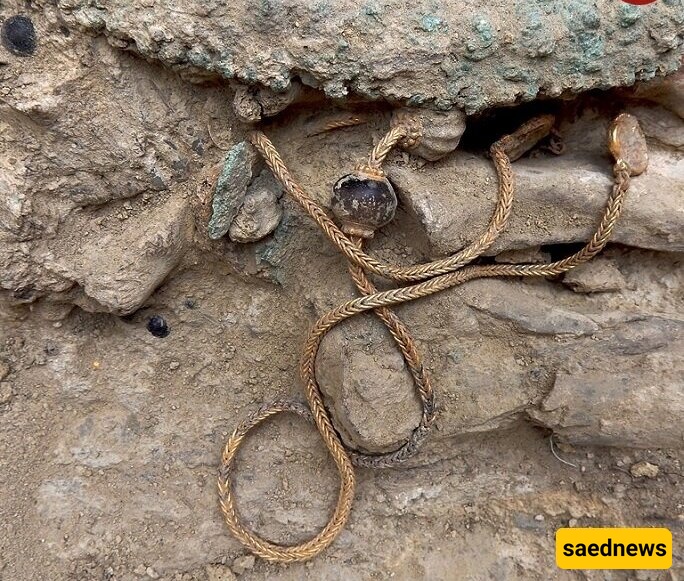
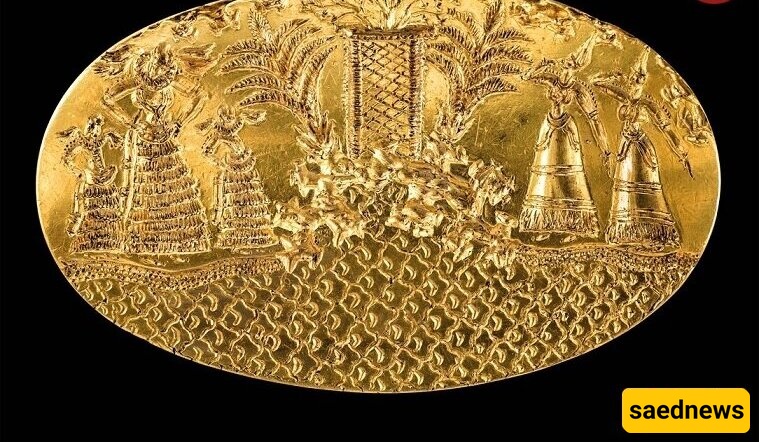
Among the most striking finds was a long bronze sword with a gold-adorned hilt. Dozens of other valuable objects were also recovered, including daggers, ceremonial items, and finely crafted ornaments. One of the most distinctive artifacts was an ivory plaque engraved with the image of a griffin, the mythological creature that gave the tomb’s occupant his modern name.
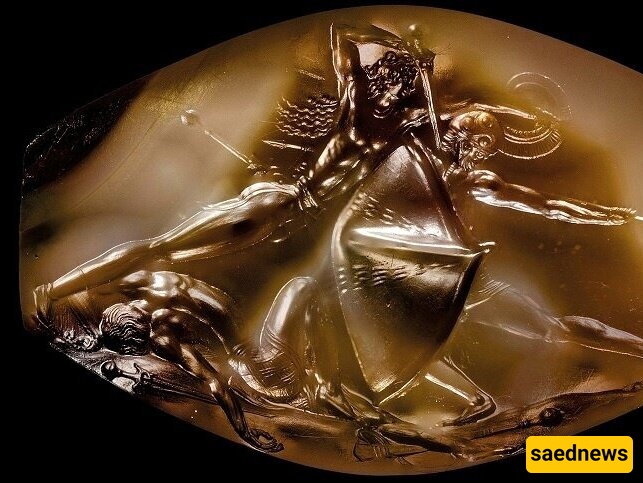
A carved agate seal discovered in the grave depicts a dramatic scene of combat between three warriors, showcasing the exceptional artistry of the period. Researchers believe the tomb originally had a ground-level entrance, which was gradually sealed over time by accumulating soil, protecting it from looting for thousands of years.
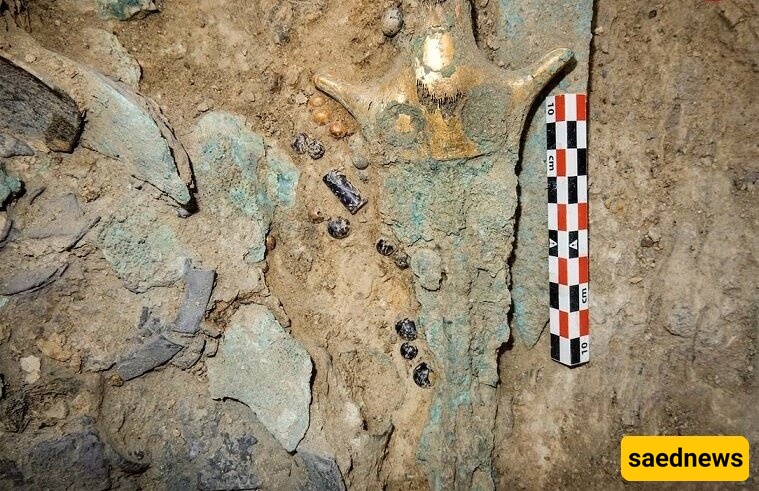
Further analysis revealed a remarkable level of wealth and status. The burial contained multiple bronze weapons, a long sword exceeding one meter in length with a gold-plated handle, fragments of armor, and a boar’s tusk helmet—an elite form of headgear in the Mycenaean world.
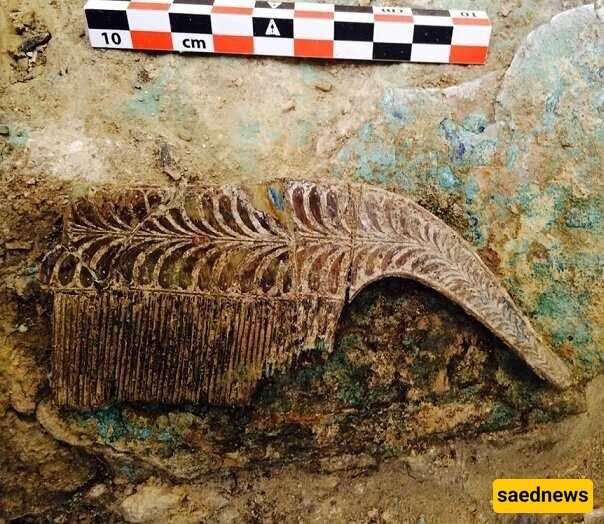
In a surprising detail, the tomb also contained items such as a comb and a mirror, objects typically associated with female burials, adding further complexity to interpretations of the warrior’s identity and social role.
Preliminary biological analysis suggests the Griffin Warrior was a man in his early 30s, approximately 160 to 180 centimeters tall. The cause of death remains unknown. Evidence indicates that his body was initially wrapped in a shroud and placed inside a wooden coffin.
Soil analysis around the site confirms that the tomb dates to the early Late Bronze Age, likely around 1500 BCE. Stocker and Davis propose that the Griffin Warrior burial belongs to the formative period of Mycenaean civilization, making it one of the most significant discoveries for understanding the emergence of early Greek culture.