SAEDNEWS: A Roman-period cemetery has been discovered in Egypt, drawing renewed attention to the ancient archaeological site of al-Bahnasa and its burial practices. The excavation was carried out by a joint team of researchers from a European university and an archaeological research institute specializing in the ancient Near East.
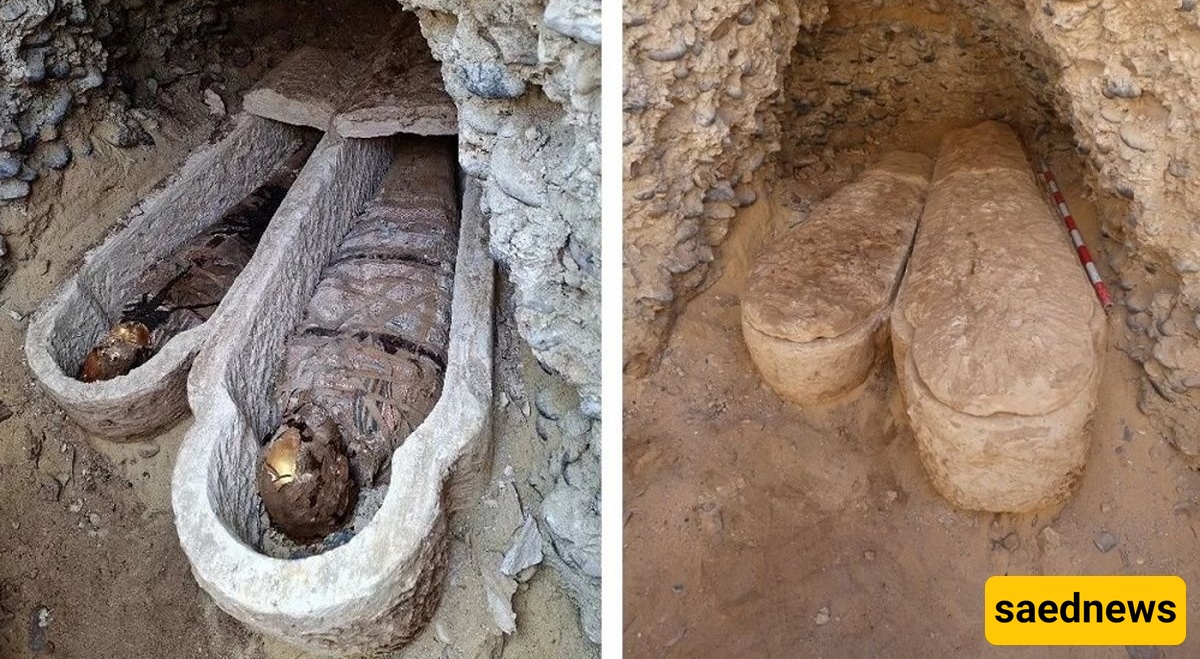
According to Saednews Society Desk, A team of archaeologists has identified several burial sites, including mummies placed in wooden coffins, some of which were wrapped in decorated textiles.
A variety of artifacts were also recovered from the site, including small gold tongues and one made of brass, placed inside the mouths of the deceased. Archaeologists associate these objects with beliefs related to the afterlife. Other findings include decorated textiles and remains of coffins.
Egypt’s Minister of Tourism and Antiquities, Sharif Fathi, said the discovery adds to recent research in the Minya region, an area known for its rich archaeological heritage. He highlighted the region’s long history and the presence of diverse ancient cultures.
Hesham El-Leithy of the Supreme Council of Antiquities stated that the cemetery provides evidence of burial practices from the Greek and Roman periods. In one of the burials, a papyrus fragment was discovered containing sections of Homer’s Iliad, specifically the “Catalogue of Ships,” which lists the forces that took part in the Trojan War.
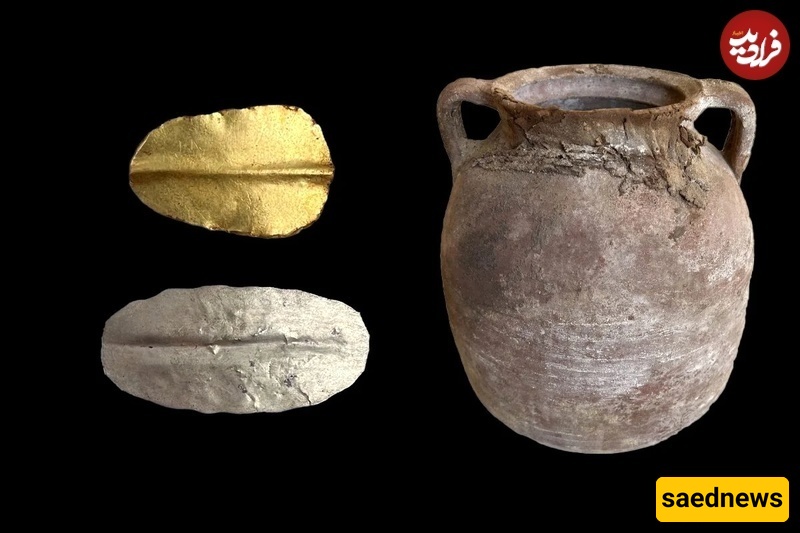
The discovery was made near a site known as the “Golden Cemetery,” first documented in 2024. There, a limestone structure with three chambers was uncovered. In one chamber, archaeologists found a large jar containing cremated remains of an adult, along with the bones of an infant and a bird’s head wrapped in cloth. Another chamber contained the remains of two humans and animal bones.
Researchers also recovered small figurines made of pottery and bronze. Some depict Harpocrates, while another resembles Cupid, suggesting a blending of religious traditions.
Parts of the cemetery show signs of previous disturbance, likely due to looting. Despite this, the site continues to provide valuable information for research. Hassan Amer of Cairo University said the presence of gold and copper tongues alongside mummies supports historical texts describing burial rituals of the period, offering direct physical evidence of these beliefs.