SAEDNEWS: Fawzia Apparently Went to Egypt to Rest and Relax and Never Returned; Mohammad Reza Divorced Her in Absentia
According to Saed News, citing Simorgh:
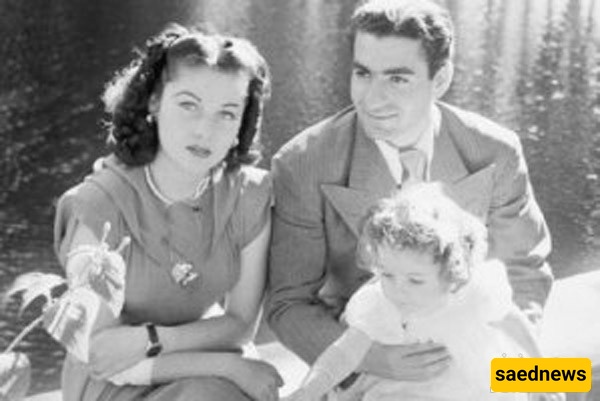
Mohammad Reza Pahlavi, Crown Prince of Iran, married Princess Fawzia bint Fuad of Egypt in 1938 (1317 in the Iranian calendar). The marriage eventually ended in divorce some time after Mohammad Reza ascended the throne.
In 1938, the issue of marriage between Mohammad Reza Pahlavi and Fawzia of Egypt was raised. Fawzia possessed striking beauty that even attracted attention in Hollywood circles. Her family background was a blend of Egyptian, Albanian, and French ancestry. Most importantly, like the Pahlavis, her family maintained close ties with Britain.
Fawzia and Mohammad Reza had previously met three years earlier in a completely accidental and very brief encounter in Switzerland.
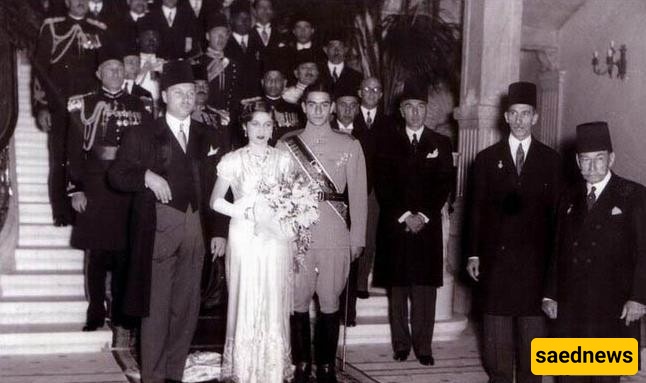
The biggest obstacle to the marriage was Article 37 of the Supplement to the Iranian Constitution, which required that the mother of the Crown Prince must be of Iranian origin. In an unprecedented move, the Iranian Parliament not only granted Fawzia Iranian citizenship but officially declared her to be of Iranian descent.
The wedding ceremony of Fawzia and Mohammad Reza Pahlavi was held at Abdeen Palace in Cairo. Those present included King Farouk (the bride’s brother), Fawzia, Mohammad Reza Pahlavi, Zulfiqar Pasha (Chief Justice of Egypt’s Supreme Court), Ahmad Hassanein Pasha, and Sharif Sabri Pasha (the bride’s uncle).
The formal proposal arrangements were immediately pursued by special representatives, and Mohammad Reza traveled to Egypt to conduct the marriage ceremony. Qubba Palace was designated for his residence during the visit.
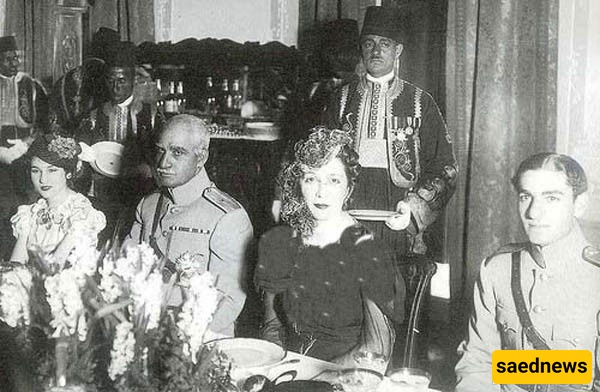
In April 1939 (Farvardin 1318), Mohammad Reza returned to Tehran accompanied by Fawzia, Queen Nazli (his mother-in-law), and their entourage. The short stay of Fawzia’s family in Tehran led to tensions with Reza Shah.
On March 15, 1939, Mohammad Reza Pahlavi officially married Princess Fawzia at Abdeen Palace. After the wedding, Reza Shah reportedly had a very good relationship with his daughter-in-law, rarely attending family lunches without her except when traveling. Shams treated Fawzia with consideration, though Ashraf’s relationship with the new bride was not particularly friendly.
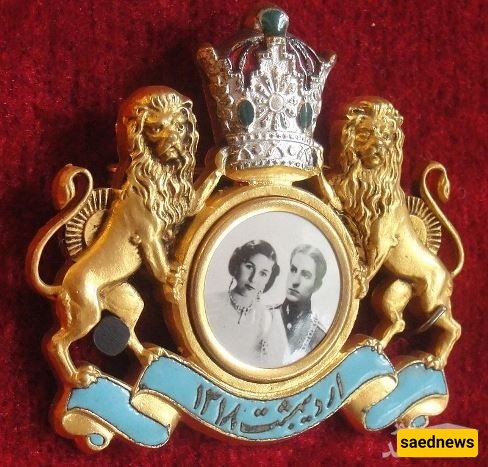
A commemorative medal marking the royal marriage (Ordibehesht 1318 / May 1939) is preserved today at Niavaran Palace Complex.
Fawzia showed little interest in social or public activities. Her interactions were largely limited to formal court receptions. The only regular guests she personally invited to the palace were the Egyptian ambassador and his wife.
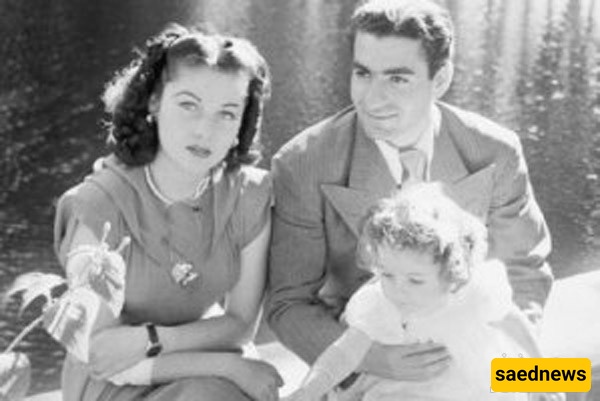
Contrary to expectations, Mohammad Reza’s first child was a daughter, named Shahnaz Pahlavi, who later married Ardeshir Zahedi.
After the death of Reza Shah in South Africa, his body was transported to Tehran via Egypt. For a period, it was placed in the Al-Rifa’i Mosque in Cairo until the mausoleum at Shah Abdol-Azim was prepared. During that time, his jewel-encrusted sword and medals were reportedly stolen. It was widely believed that King Farouk had a strong interest in such items for his personal collections.
This incident, along with Ashraf’s romantic involvement with one of the opponents of Egypt’s ruling regime, marked the beginning of verbal disputes, insults, and humiliations directed at Fawzia. She apparently traveled to Egypt under the pretext of rest and recuperation and never returned to Iran. Mohammad Reza eventually divorced her in absentia.