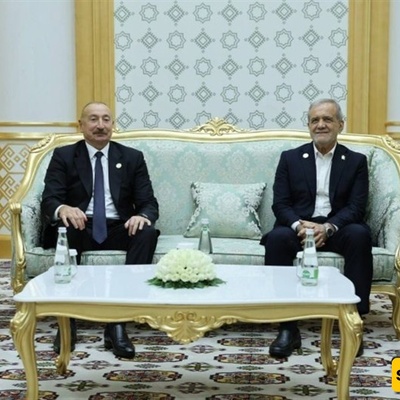
SAEDNEWS: Pezeshkian Calls for Long-Term Regional Plan to Address Declining Water Levels in World’s Largest Lake
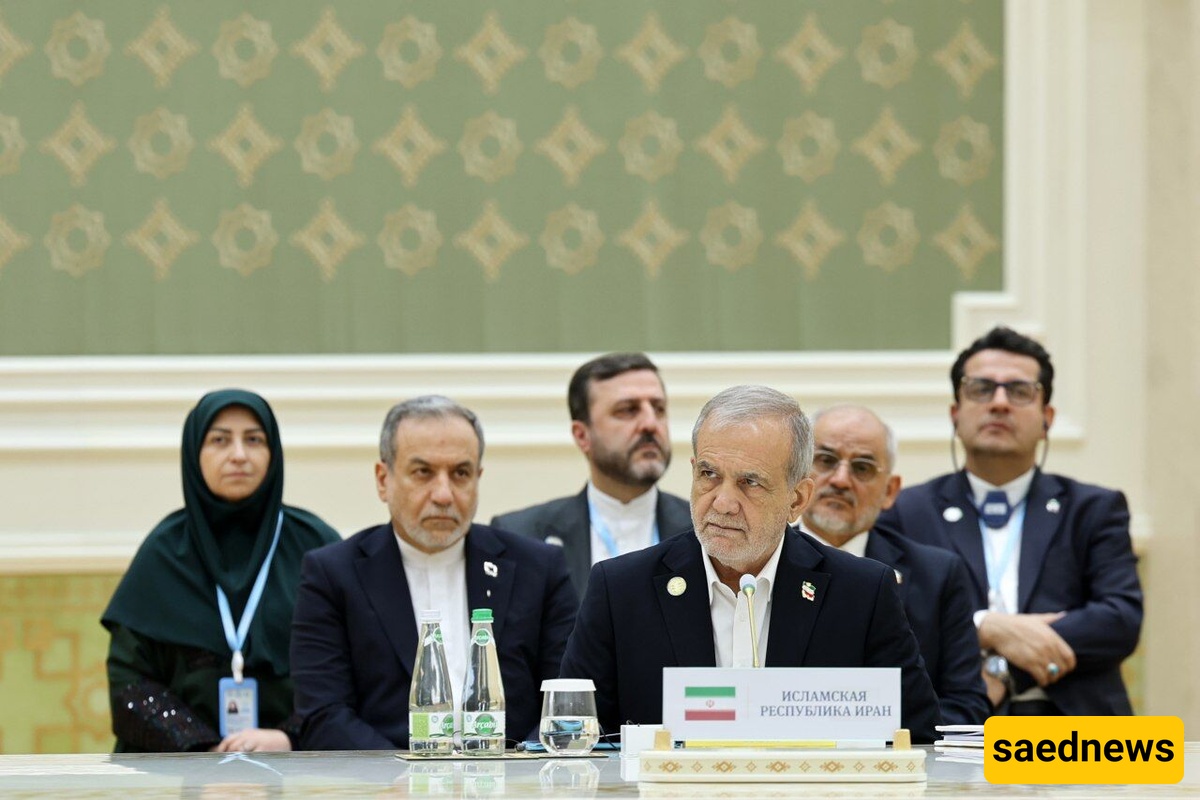
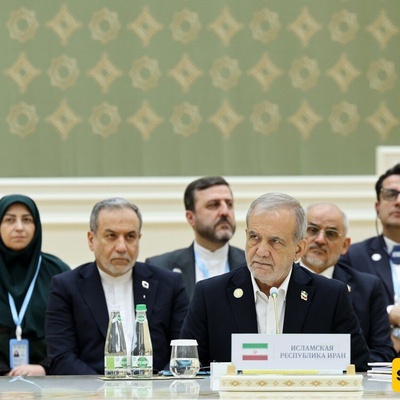
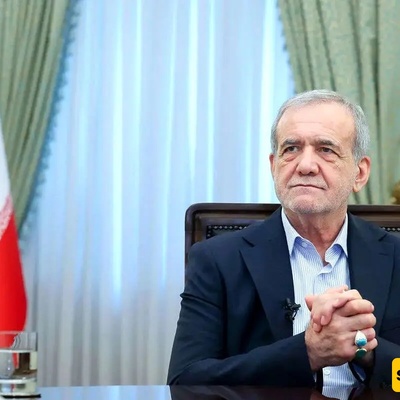
According to Saednews, Addressing an extraordinary Environmental Summit of the Heads of Caspian Sea Littoral States in Ashgabat, Turkmenistan, on Friday, Iranian President Masoud Pezeshkian said efforts to protect the Caspian Sea should be pursued within the framework of the Tehran Convention, stressing that no country can save the landlocked body of water alone.
He also welcomed the summit’s decision to establish a high-level commission comprising deputy heads of government from the Caspian littoral states to address issues concerning the sea.
Highlighting multiple crises, geopolitical rivalries, wars, unilateral sanctions, and the lack of multilateral cooperation, Pezeshkian emphasized that environmental collaboration could serve as a vital bridge for building trust and strengthening convergence among regional countries.
Stressing that the environment must not become a casualty of political and economic rivalries or interference by countries outside the region, he called on the littoral states to determine the Caspian Sea’s future by drawing on their own scientific, technical, financial, and human resources within a framework of regional cooperation.
He described the Framework Convention for the Protection of the Marine Environment of the Caspian Sea, widely known as the Tehran Convention and signed in 2003, as the most important legally binding regional instrument for protecting and preserving the Caspian Sea environment.
Referring to the historic responsibility of safeguarding one of the world’s most valuable natural heritages, Pezeshkian warned that mounting threats—including falling water levels, climate change, rising air and water temperatures, oil and industrial pollution, and the destruction of natural habitats—must not be overlooked.
He noted that the Caspian Sea constitutes an interconnected ecosystem in which damage to any one part affects the entire body of water. Addressing these challenges, he said, requires shared political will and coordinated action among the littoral states, with full respect for one another’s national sovereignty and legitimate interests.
Pezeshkian urged summit participants to demonstrate to future generations that the Caspian littoral states stood united and worked together to save the sea in the face of a common crisis.
He added that environmental diplomacy was more essential than ever and that the Caspian Sea could become a successful example of countries cooperating to safeguard their shared interests.