SAEDNEWS: A Maariv military analysis warns that Israel is increasingly finding itself on the defensive in Gaza as Hamas works to rebuild its organizational and weapons capabilities. The report also questions what could happen if Israeli troops withdraw from parts of the territory and outside forces take their place.
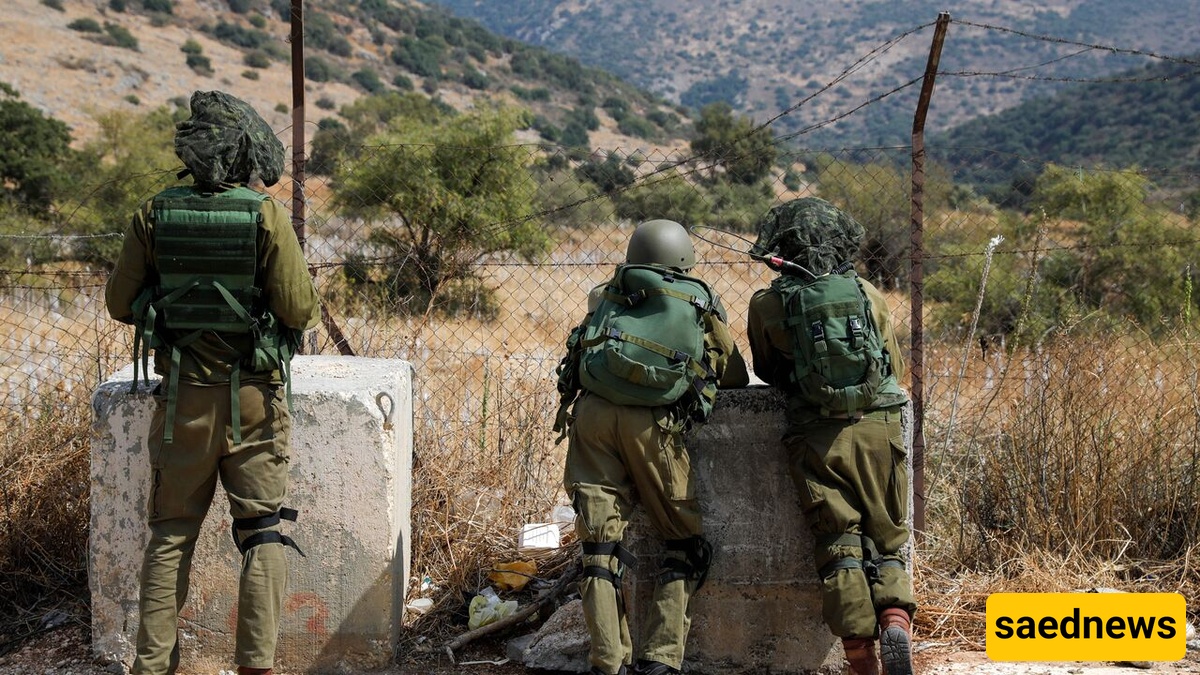
According to SaedNews: Nearly three years after the October 7, 2023 attack, an Israeli military analyst is raising a difficult question for Israel: after fighting its way into Gaza, has the country failed to secure what comes next?
A report by Avi Ashkenazi, a military affairs analyst for Israel’s Maariv newspaper, argues that Israel is approaching the third anniversary of October 7 in a very different position from the one its military campaign initially sought to create.
Instead of Hamas disappearing as a fighting force, the report says the group has been able to rebuild parts of its strength in the Gaza Strip. At the same time, Israel is facing pressure from the United States to reduce its military activity in the territory.
The assessment presents a picture of an Israeli military that has demonstrated considerable force but is now confronting the more complicated question of how to maintain security after large-scale operations.
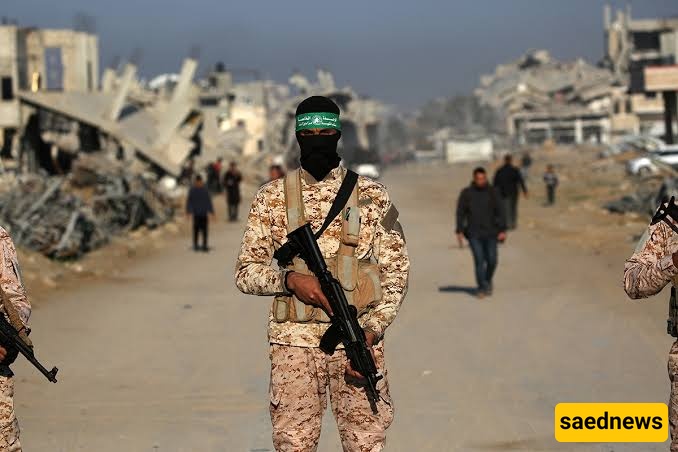
According to Ashkenazi’s analysis, Hamas is not currently showing signs that it intends to surrender its weapons or withdraw from Gaza.
The report says the group is working to restore its capabilities, including efforts to recruit young people and train them for military roles. It also describes an attempt to rebuild weapons stockpiles.
The Israeli assessment points to several recent incidents as evidence of the continuing challenge.
One example cited in the report involves a dog belonging to the Oketz canine unit, which reportedly detected an underground tunnel being used as an ammunition storage site. The tunnel was said to contain dozens of rockets.
Another incident occurred near the Egyptian border. According to the report, soldiers from the Paran Brigade of the Israel Defense Forces’ 80th Infantry Division intercepted a drone carrying 21 rifles along with ammunition.
The report says the weapons were believed to have been prepared for movement westward toward the Gaza border and for the benefit of Hamas.
Taken together, the incidents are presented as signs that weapons networks and underground infrastructure remain an important part of the security challenge Israel faces.
But Ashkenazi’s analysis argues that the central problem is not simply whether Israel can find weapons or destroy tunnels.
The deeper issue, according to the report, is what Israel planned to do after its military campaign.
The analysis says Israel was able to enter Gaza with overwhelming force, but did not develop a clear strategy for the period that would follow.
That strategic gap is becoming more visible as the conflict moves toward a different phase.
Nearly three years after October 7, the report argues, Israel is increasingly being forced to respond to U.S. demands concerning its military presence in Gaza. Israeli military planners, it says, understand that the army could soon be required to withdraw from several areas along what is referred to as the “Yellow Line.”
That possibility immediately raises another question: who will take over?
The report speculates that Moroccan personnel, and potentially forces from Gulf countries, could replace Israeli troops in some areas.
But the analyst raises a series of unanswered questions about such a force.
How extensively would these troops be trained to confront Hamas?
Would they have sufficient expertise in detecting and fighting through underground tunnel networks?
And, perhaps most importantly, would they have the determination to confront fighters approaching the surrounding barrier or Israeli military positions?
These questions highlight the difference between physically deploying replacement forces and creating a force capable of managing the security environment that Israel says it has been fighting to control.
The report does not present definitive answers. Instead, it portrays the potential transition as one of the most uncertain aspects of the next stage of the Gaza conflict.
The Maariv analysis also points to a recent incident in southern Lebanon as evidence of growing criticism within Israel of the military’s performance.
Israel’s security cabinet met on Thursday, according to the report, and ministers sharply criticized Chief of Staff Eyal Zamir over what they viewed as a weak military response following an incident in which two Israeli soldiers were killed and four others wounded by an explosive device in a building in the village of Majdal Zoun in southern Lebanon.
The criticism is particularly significant because, according to the report, the same political leadership had itself contributed to restricting Zamir’s authority.
That detail adds another dimension to the debate: Israel’s military leadership is being judged for battlefield outcomes while operating within political constraints established by the government.
The picture presented by Ashkenazi is therefore broader than a simple assessment of Hamas’s military capabilities.
The report describes an Israel that entered Gaza with overwhelming military power but now faces the challenge of translating that power into a sustainable political and security outcome.
Hamas, meanwhile, is portrayed as attempting to rebuild recruitment, training, underground infrastructure and weapons supplies.
At the same time, American pressure could push Israel toward reducing its military presence in Gaza, potentially requiring other forces to assume security responsibilities.
The result is an uncomfortable strategic question for Israeli decision-makers: if Israeli forces withdraw from parts of Gaza, will the forces replacing them have the ability—and the willingness—to prevent Hamas from rebuilding its military infrastructure?
The report’s answer is not clear. Its warning is.
Nearly three years after October 7, the conflict may be entering another phase in which the central challenge is no longer simply how to enter Gaza, but how to prevent the same military threat from returning after Israeli forces pull back.
That is why the tunnel reportedly found beneath the ground, the weapons-carrying drone intercepted near Egypt and the questions surrounding a possible replacement force have significance beyond the individual incidents.
For Israel, the next chapter may ultimately depend less on the scale of military force it can deploy than on whether it has a workable strategy for what happens after that force leaves.