SAEDNEWS: Iran’s Judiciary has rejected a claim by a member of parliament that a phone call involving Ali Larijani’s son and his family led to the identification of the late official’s location during the war. A judicial investigation into his death is still underway.
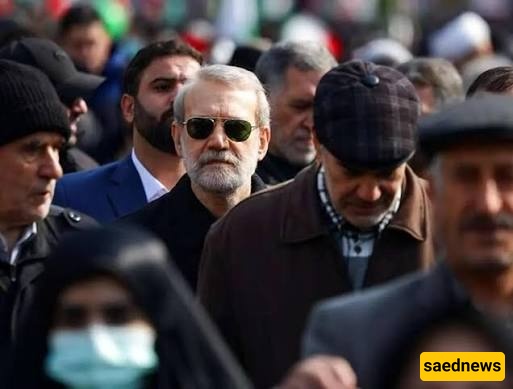
According to SaedNews: A controversial claim about how the location of Ali Larijani was allegedly identified before his death has been rejected by Iran’s Judiciary, which says its review of the relevant judicial case does not support the account presented by a member of parliament.
The dispute centers on a specific allegation: that the location where Ali Larijani was staying during the so-called Ramadan War was identified through a telephone call made by his son to members of the family.
According to a statement issued by the Judiciary’s Media Center, the claim does not match the findings of the judicial investigation into the circumstances surrounding Larijani’s death.
The statement said authorities had examined the case opened over the death of Larijani and several people who were with him. Based on those inquiries, officials said there is no confirmation that his location was discovered through a phone conversation between his son and the family.
The clarification places the disputed claim under a formal evidentiary question rather than leaving it solely as a political or media assertion. The Judiciary explicitly said that its investigations did not confirm the alleged method by which Larijani’s location was identified.
The issue is particularly sensitive because it concerns the circumstances surrounding the death of a prominent Iranian figure and raises questions about how his location may have been identified during the conflict.
The original claim, attributed to a member of parliament, suggested a direct connection between a family telephone call and the discovery of Larijani’s location. Such an allegation carries significant implications because communications during wartime can become part of broader questions surrounding security, intelligence and the protection of senior figures.
However, the Judiciary’s response stops short of presenting an alternative explanation for how the location was identified. Instead, it focuses on what investigators say they have not established: that a call between Larijani’s son and his family was responsible for revealing the location.
That distinction is important. The official statement does not provide a new account of the events leading to the attack. It specifically addresses the accuracy of the claim raised by the lawmaker and says that judicial examinations have not verified it.
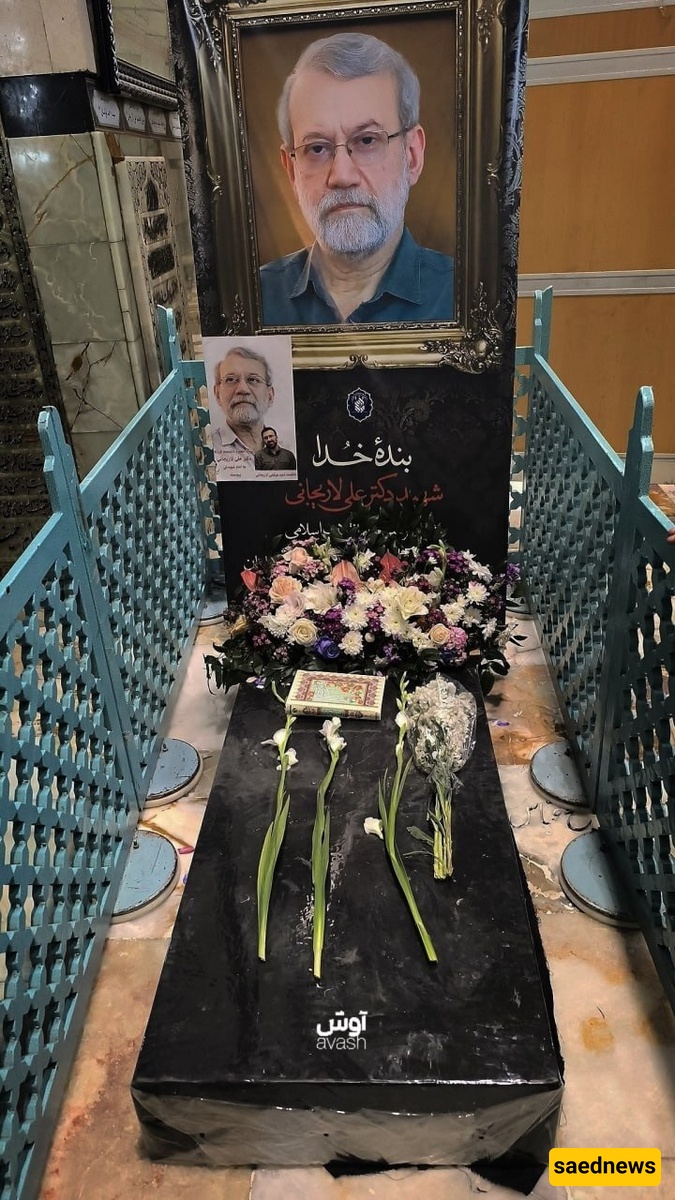
The Judiciary also confirmed that a judicial case has been opened at the Tehran Prosecutor’s Office following the deaths of Dr. Ali Larijani and his son in an attack attributed in the statement to the United States and Israel.
The case remains under investigation, meaning that the judicial process has not yet concluded.
For now, the official message is clear on one point: the allegation concerning the telephone call has not been substantiated by the investigation described by the Judiciary.
The development also highlights the difficulty of establishing precise accounts of wartime events, particularly when claims emerge before judicial inquiries are complete. Statements about the circumstances of a death can quickly attract public attention, but official investigations ultimately determine which details are supported by evidence.
In this case, the Judiciary has drawn a clear line between the claim made by the parliamentarian and what investigators say they have been able to establish so far.
The broader circumstances surrounding Larijani’s death remain subject to the ongoing judicial case. Until that process reaches further conclusions, details about how his location was identified should be treated with caution, especially when they have not been confirmed by the authorities handling the investigation.
For many observers, the key question now is not simply what was alleged, but what the continuing investigation will ultimately establish about the events leading to the attack. The Judiciary’s latest statement answers one disputed point, but it does not close the wider case.
As the investigation continues, any new findings could provide further clarity on the circumstances surrounding Larijani’s death and the sequence of events that preceded it. Until then, the official position remains that the claim involving a family phone call has not been confirmed.